
Successful Tradeshow Strategies: 3 Key Lessons Every Exhibitor Must Learn
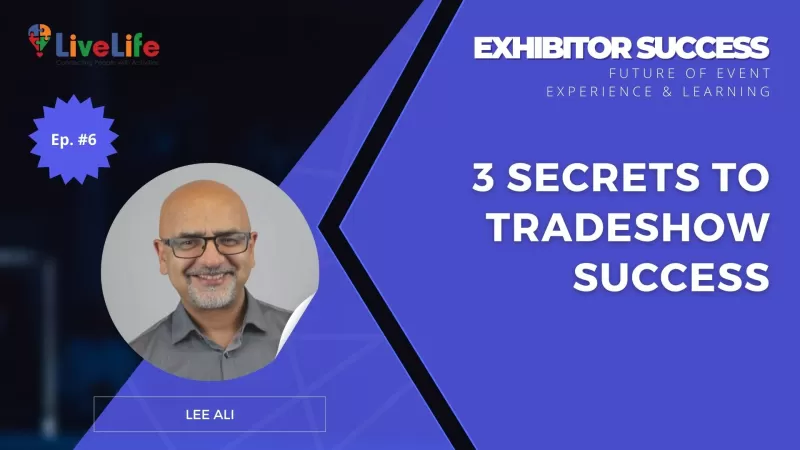
This is the summary based on The FEEL Podcast with Lee Ali.
Why successful tradeshow strategies matter more than ever? When it comes to trade shows, having a booth isn't enough—you need a plan.
Exhibitors often spend thousands on design, travel, and logistics, yet overlook the blueprint that makes all the difference: successful tradeshow strategies. Without them, your investment risks being just another "good experience" with little return.
So, how do you ensure success at tradeshows? It begins with clarity, engagement, and follow-up. Based on insights shared by Lee Ali during The FEEL: Future of Event Experience & Learning podcast, here are three powerful lessons that separate winning exhibitors from the rest.
Lesson 1: Define Your "Why" Before You Exhibit
Too many brands jump into events without asking the most important question: WHY are we exhibiting?
Setting SMART Goals for Booth Success
Whether it's your first or 100th show, defining SMART goals is crucial. Clear event goals and objectives ensure that every activity—be it exhibition booth design, staff training, or lead generation at tradeshows—contributes directly to business growth.
Examples of successful tradeshow strategies always begin here. Do you want more sales pipeline growth, greater brand awareness lift, or stronger customer feedback? Aligning your tradeshow planning around these metrics sets you apart.
Lesson 2: Know Your Audience and Build the Right Booth Journey
If you don't know who you're speaking to, even the flashiest booth won't convert.
Audience Targeting and Visitor Engagement
Ask: WHO is my target audience? WHAT are their pain points? HOW can I help them? These answers guide your booth journey design, from initial greetings to product demos.
Practical tradeshow tips include:
- Using booth engagement tactics like live demos to measure interaction time at the booth.
- Training booth staff to start genuine conversations, not just scan badges.
- Tracking visitor engagement metrics such as booth traffic, booth demo effectiveness, and social media mentions.
When done right, you create an exhibitor strategy that attracts the right people and maximizes visitor-to-lead conversion.
Lesson 3: Don't Let Leads Die—Master the Follow-Up
Here's where most exhibitors stumble. They collect contacts but lack a structured plan to nurture them.
Turning Leads Into Long-Term Opportunities
Post-show metrics for booth success depend heavily on what happens after the event. A strong follow-up process improves your post-event follow-up rate, boosts exhibitor ROI, and ensures tradeshow ROI isn't left to chance.
Think beyond a generic thank-you email. Instead, offer practical insights, tailored solutions, and emotional engagement. This approach builds trust, strengthens human connection, and increases your chances of conversion.
The Human Connection: The Secret Behind Tradeshow Success
While technology plays a huge role in event marketing strategy, it should never replace genuine human connection. As Lee Ali emphasized, exhibitors often hide behind badge scanners instead of asking for real conversations.
The best successful tradeshow engagement tactics are rooted in authenticity. When your booth staff connects on a personal level, your exhibitor best practices become more than metrics—they become memorable experiences.
Key Takeaways for Exhibitors
To recap, successful tradeshow strategies for B2B and beyond revolve around three pillars:
- Define your WHY and align with clear KPIs.
- Target the right audience and design an engaging booth journey.
- Build a powerful follow-up system that nurtures leads long after the event.
With these lessons learned from tradeshow strategies, you're not just exhibiting—you're creating lasting impact.
Conclusion: Ready to Apply These Strategies?
Successful tradeshow planning steps aren't just about logistics. They're about setting intentions, creating meaningful engagement, and ensuring measurable ROI. The next time you exhibit, remember: your booth is not just a space—it's a stage to tell your story, connect with people, and drive business growth.
Watch the conversation on The Feel Podcast.
Need personalized guidance on successful tradeshow strategies?
Follow Mike Gunawan on Linkedin

FAQ on Successful Tradeshow Strategies
Q1: How to create successful tradeshow strategies?Start with clear event goals, understand your audience, and design a booth journey that fosters engagement. Pair this with structured follow-up tactics to ensure leads turn into real business opportunities.
Q2: What are examples of successful tradeshow strategies?Examples include SMART goal setting, booth engagement through live demos, personalized visitor interactions, and post-show follow-ups that nurture leads instead of just collecting contacts.
Q3: How can exhibitors ensure success at tradeshows?By combining audience targeting, visitor engagement metrics, and exhibitor best practices. Exhibitors must focus on conversion-driven activities, from booth traffic to post-event follow-up rate, to maximize ROI.
Q4: What are key lessons from successful tradeshows?The main lessons are: define your WHY, know your WHO, and master the HOW. These cover your purpose, audience, and follow-up system—making the difference between a "good show" and measurable business growth.
Q5: What are the best tradeshow strategies for B2B exhibitors?B2B exhibitors should prioritize lead quality over quantity, design engaging booth journeys that address customer pain points, and track exhibitor metrics such as booth demo effectiveness, sales pipeline growth, and customer feedback.
Main Article
Related Articles
Banner
Write a comment