
Association Trade Show Ownership: Why Control Drives Long-Term Success
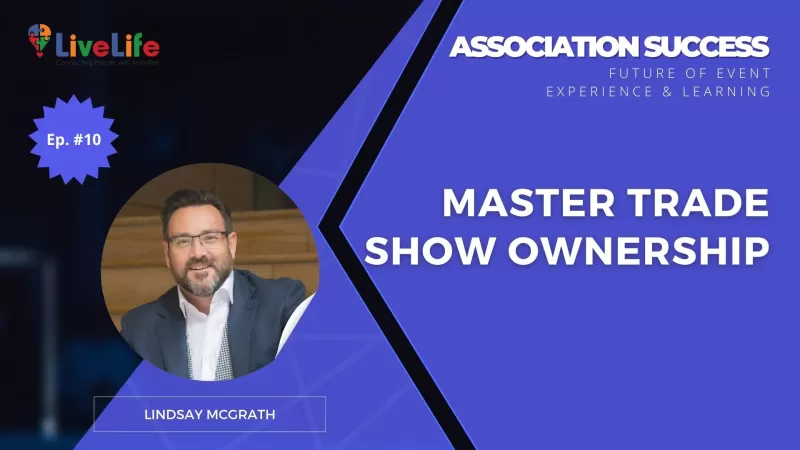
The concept of association trade show ownership is one that many professional organizations overlook—but it’s a game-changer.
This is the summary based on The FEEL Podcast with Lindsay McGrath.
Too often, associations rely on third-party organizers, thinking it reduces risk and investment.
But here’s the part most people miss: owning your trade show isn’t about power; it’s about influence, control, and ensuring the long-term growth of your industry.
Drawing insights from The FEEL #10: Association as Strategic Marketing Organization (podcast) with Lindsay McGrath, this article dives into why associations should strategically consider owning trade shows, the pros and cons of doing so, and how this ownership can shape the future of their sectors.
Why Association Trade Show Ownership Matters
Control the Narrative, Control the Industry
When an association owns a trade show, it controls more than just an event—it controls the story of the industry.
From branding and messaging to content and media partnerships, ownership ensures that the association’s mission and values are consistently communicated.
As highlighted in the podcast, trade shows aren’t just about the four days of exhibition; they’re about the narrative your organization sets for the entire sector.
Without ownership, that narrative is largely dictated by sponsors, external organizers, or competing entities.
Long-Term Strategic Benefits
Building a Multigenerational Asset
A trade show is not a one-off product; it’s a multigenerational asset. Ownership allows an association to grow and evolve the event over decades.
While partnering with third-party organizers may seem easier in the short term, it often limits the ability to adapt and scale according to the association’s long-term goals.
Owning the trade show gives associations the ability to reinvest every dollar into their sector.
Education, advocacy, research, and professional development initiatives all benefit from revenue generated by events under the association’s direct control.
Risk Mitigation Through Strategic Planning
Starting small and scaling gradually can help mitigate the financial and operational risks of ownership.
Associations can begin with niche, low-cost events, iterating and improving each year. The key is to think strategically: how will ownership support the association’s objectives in five, ten, or twenty years?
Pros and Cons of Ownership vs. Partnership
Working With Established Organizers
- Pros: Less initial investment, access to experienced event teams, and the ability to leverage an existing brand.
- Cons: Limited control over the event’s branding, messaging, and revenue; less influence over industry direction.
Owning Your Trade Show
- Pros: Full control over branding, messaging, and revenue; long-term strategic influence; ability to reinvest profits for industry growth.
- Cons: Requires higher initial investment, greater operational responsibility, and a longer learning curve for event management.
But here’s the insight most people miss: while ownership carries risk, it’s also the only path to establishing a truly enduring, multigenerational asset that reinforces the association’s authority.
Steps to Successful Trade Show Ownership
Start With a Clear Vision
Before diving in, associations need a clear strategic vision. What is the goal of owning the trade show? Is it to grow membership, influence industry standards, or expand educational offerings?
The podcast emphasizes the importance of thinking decades ahead. Ownership should align with long-term objectives, not just immediate ROI.
Build Incrementally
Don’t attempt to launch a million-dollar trade show overnight. Start small—perhaps a niche expo or targeted industry seminar—and iterate over time. Gather feedback, refine the experience, and gradually scale.
Invest in Brand and Media
A successful trade show isn’t just the floor space; it’s the entire media ecosystem surrounding it. Magazines, podcasts, webinars, and social campaigns should all reinforce the trade show and the association’s overarching narrative.
Controlling these channels ensures consistent messaging and maximizes engagement.
Consider Partnerships Strategically
Even if ownership is the ultimate goal, partnerships can play a transitional role. Collaborate with experienced organizers to learn the ropes, but maintain a long-term plan for full control.
Case Insights From the Podcast
The FEEL #10 podcast highlights SPASA (Swimming Pool & Spa Association in Australia & New Zealand) as an example of an association that has taken control of trade shows and dramatically increased their industry influence. By owning the event, they could:
- Control content and messaging to align with their advocacy goals.
- Reinvest revenues into educational programs and professional development.
- Maintain a multigenerational asset that grows in value year after year.
One lesson emphasized is that the biggest brand in an industry should be the association, not the largest sponsor. Ownership ensures that the philanthropic and educational mission remains central, even as the industry evolves.
Closing Thoughts
Owning a trade show is more than just managing an event—it’s about shaping the future of your industry.
Associations that control their trade shows gain authority, reinforce their brand, and secure long-term revenue streams.
While partnering may seem simpler initially, full ownership ensures that the association, not external sponsors, defines the narrative and drives sector-wide growth.
As highlighted in The FEEL #10 podcast, if your goal is to create a multigenerational impact and maximize every dollar for education, advocacy, and professional development, then pursuing association trade show ownership isn’t optional—it’s essential.
Want to dive deeper with real case studies and expert insights?
Watch the conversation on The Feel Podcast.
Need personalized guidance on association trade show ownership?
Follow Mike Gunawan on Linkedin

FAQs About Association Trade Show Ownership
Q1: Why should an association own its trade show instead of partnering?Ownership provides control over branding, messaging, and revenue, allowing the association to shape the industry’s future and reinvest profits strategically.
Q2: What are the risks of owning a trade show?Higher initial investment, operational responsibility, and the need for event management expertise are the primary challenges—but they can be mitigated by starting small and iterating.
Q3: Can small associations realistically own a trade show?Yes. Starting with niche or targeted events allows smaller associations to gradually scale and gain expertise while maintaining control.
Q4: How does trade show ownership support advocacy?By controlling messaging and content, associations can ensure their advocacy initiatives are front and center, educating the industry and promoting standards.
Q5: What is the long-term value of owning a trade show?Ownership creates a multigenerational asset, a central hub for industry influence, and a reliable revenue source to fund ongoing programs.
Main Article

Related Articles
Banner

Write a comment