
B2B Tradeshow Follow-Up Strategies to Accelerate Post-Booth Sales
-
Post-event pipeline acceleration does not occur at the physical booth but through a structured, highly systematic approach to timing and content execution.
-
Delaying post-show outreach due to busy back-to-office schedules is a common mistake that allows high-quality leads to rapidly cool down and move to competitors.
-
Maximizing event ROI requires cross-functional stakeholders to collaborate before the exhibition begins to map out precise visitor personas, pain points, and specific content requirements.
-
Building a pre-arranged content library organized into a logical sequence allows sales teams to deploy immediate, contextually tailored responses instead of generic email blasts.
-
Utilizing conversational technology like PitchLink automates post-event nurturing sequences, tracks individual content asset engagement, and transforms scattered tracking into a measurable sales process.
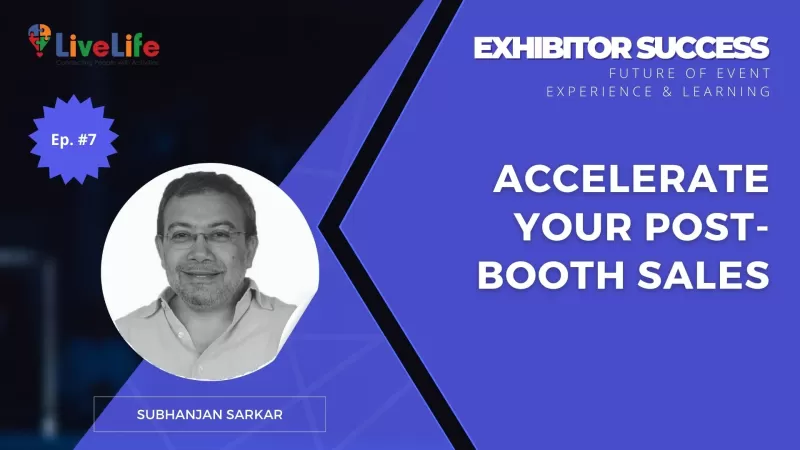
This is the summary based on The FEEL Podcast with Subhanjan Sarkar.
B2B Tradeshow Follow-Up Strategies — Many exhibitors struggle with the same dilemma: "I have no time to follow up with all the booth leads!" It's common to delay post-event outreach, letting busy schedules and overflowing tasks push follow-ups aside.
Subhanjan Sarkar, guest on The FEEL: Future of Event Experience & Learning podcast, explains that striking while the iron is hot is essential. Timing and content are the two pillars of an effective B2B tradeshow follow-up strategies.
These B2B Tradeshow Follow-Up Strategies are designed to help exhibitors overcome the common challenge of delayed outreach and lost opportunities.
Plan Before the Event
The first step is planning your follow-up even before the exhibition begins. Align stakeholders to map out booth visitor personas, understanding their pain points, needs, and motivations.
While conversations differ per visitor, knowing the type of content they need allows you to craft targeted, timely responses.
Effective B2B Tradeshow Follow-Up Strategies always begin with preparation, ensuring that outreach is personalized and timely.
Content Mapping for Each Persona
Next, create a content library tailored to each visitor persona. Organize the materials in a logical sequence to be sent as follow-ups.
This ensures every lead receives relevant, valuable insights immediately after the booth visit, improving the likelihood of continued engagement and eventual conversion.
Subhanjan shared that PitchLink helps exhibitors design these sequential follow-ups, track engagement per content piece, and measure effectiveness for continuous improvement.
This tool transforms scattered post-event outreach into a strategic, measurable process.
By integrating B2B Tradeshow Follow-Up Strategies, exhibitors can match the right content with the right visitor, creating a smoother path to conversion.
Benefits of Structured Follow-Up
- Keeps your leads warm and engaged
- Reduces lost opportunities due to delayed responses
- Provides insights on which content resonates most with each persona
- Increases efficiency and ROI for your exhibition efforts
Planning and sequencing follow-ups based on visitor personas ensures you maintain momentum and guide prospects toward the next steps in the sales journey.
These benefits highlight why B2B Tradeshow Follow-Up Strategies are essential for maximizing exhibition ROI.
Closing Thoughts
Don't let post-booth follow-ups fall through the cracks. Strategically plan your timing, content, and sequencing to nurture leads effectively and accelerate them toward sales.
Companies that consistently apply B2B Tradeshow Follow-Up Strategies gain an edge by keeping conversations alive long after the exhibition ends.
Acceleration happens not at the booth, but after—through following up booth leads effectively.
Watch the conversation on The Feel Podcast.
Need personalized guidance on B2B Tradeshow Follow-Up Strategies?
Follow Mike Gunawan on Linkedin.

Frequently Asked Questions
Q1: What are the primary pillars of an effective B2B trade show follow-up strategy according to industry experts?The two primary pillars of an effective follow-up strategy are timing and content. To maximize lead conversion, exhibitors must strike while the iron is hot by reaching out immediately before the prospect forgets the interaction, while simultaneously delivering highly personalized, value-driven content that directly addresses the specific visitor persona and pain points uncovered during the live booth conversation.
Q2: Why must exhibitors begin planning their post-show lead outreach before the exhibition actually begins?Exhibitors must plan their outreach before the show begins to eliminate post-event delays caused by busy back-to-office schedules and overflowing workloads. Pre-show planning allows cross-functional stakeholders to map out distinct visitor personas and build a structured, pre-approved content library in advance, ensuring the sales team can execute rapid, personalized follow-ups the moment a booth interaction concludes.
Q3: How does sequential content mapping based on visitor personas improve exhibition sales conversions?Sequential content mapping improves conversions by ensuring that every prospect receives a logical, structured stream of relevant information that matches their specific stage in the buying journey. Instead of sending a single, generic "thank you" blast, exhibitors can deploy tailored insights and targeted case studies over time, which steadily nurtures buyer interest, maintains brand recall, and guides the lead efficiently toward a formal sales meeting.
Q4: In what ways can conversational intelligence tools like PitchLink transform scattered post-event outreach processes?Conversational intelligence tools like PitchLink transform post-event outreach by turning a highly manual, uncoordinated task into a centralized, data-driven workflow. These platforms enable exhibitors to pre-design sequential content experiences, automatically track how prospects interact with individual digital assets, and deliver real-time engagement metrics that allow sales teams to prioritize high-intent leads and continually optimize their outreach messaging.
Q5: What are the main business benefits of executing a structured and automated follow-up workflow after an exhibition?Executing a structured, automated follow-up workflow keeps high-quality leads warm and engaged while drastically reducing lost opportunities caused by operational delays. Furthermore, it provides the sales and marketing teams with valuable data insights regarding which content assets resonate most with specific buyer personas, ultimately increasing overall organizational efficiency and maximizing the return on investment (ROI) of your exhibition marketing budget.
Main Article
Related Articles
Banner
Write a comment