
Trade Show KPIs: Measuring Booth Success for Maximum Impact
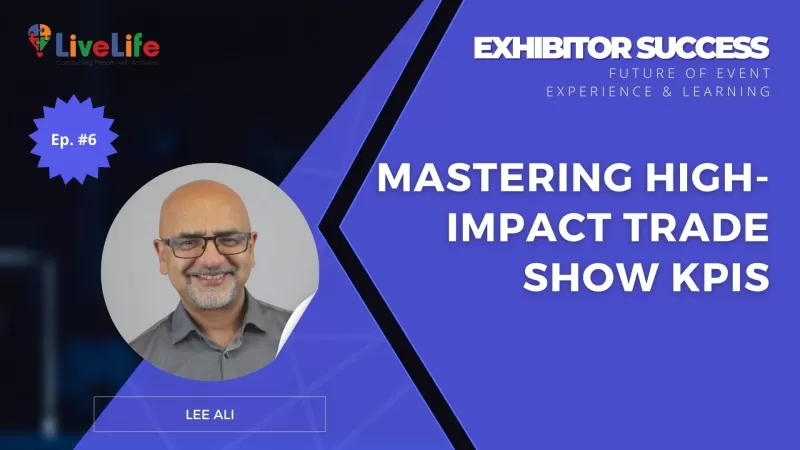
This is the summary based on The FEEL podcast with Lee Ali.
Measuring success is key to improvement. As Lord Kelvin famously said, “When we can measure, we will understand it better.” The same applies to exhibitions and booth activations. Understanding trade show KPIs allows teams to know exactly how well their efforts translate into results, from visitor engagement to lead generation at trade shows.
During the latest The FEEL: Future of Event Experience & Learning podcast, Lee Ali emphasized the importance of having clear metrics and alignment across cross-department teams.
Without defined trade show ROI metrics, confusion between marketing, sales, and customer success teams can arise. For example, marketing may claim they passed on leads, while sales feels it’s not worth pursuing them.
Why Trade Show KPIs Matter
How to Measure Trade Show Success
Using booth engagement metrics and visitor interaction metrics, exhibitors can track how attendees move through the booth, which exhibits attract the most attention, and how staff interactions influence conversions.
Tracking metrics like visitors to leads e or leads to meetings conversation rate ensures that performance is aligned with business objectives rather than subjective feelings.
Without these measures, success is left to chance, which is hardly a strategy. By defining trade show performance metrics beforehand, teams ensure everyone works toward the same goal: converting visitors into actionable leads and driving ROI.
Aligning Metrics with Business Objectives
Before an exhibition, align your event marketing KPIs with the broader business goals. Whether your goal is increasing brand visibility or generating qualified leads, selecting the right trade show analytics tools will help you monitor booth traffic analysis and visitor flow effectively.
This alignment reduces friction between departments and makes post-event evaluation straightforward. For example, measuring lead qualification and sales pipeline metrics ensures that collected leads are actionable and contribute directly to business growth.
Strategies to Optimize Booth Performance
Staff Performance and Visitor Engagement
Even with perfect analytics, the human element remains critical. Staff performance is a crucial KPI in any exhibition. Tracking booth staff performance alongside visitor reactions can reveal patterns in engagement and highlight areas for improvement.
Well-trained staff who understand the visitor journey enhance attendee engagement and foster stronger connections, resulting in better follow-up opportunities.
Tracking and Analyzing Data
Collecting data during the event allows for real-time evaluation of booth engagement metrics. Insights from booth traffic analysis and visitor interaction metrics can guide adjustments on the fly, ensuring every attendee interaction is maximized.
This proactive approach directly impacts trade show ROI calculation and overall success.
Post-Event Follow-Up Strategies
The final KPI is what happens after the event. Effective post-event follow-up strategies turn collected contacts into business opportunities.
By linking measuring booth success in B2B events to structured follow-up plans, your team can nurture leads, increase conversion rates, and demonstrate the tangible value of your exhibition.
Watch the conversation on The Feel Podcast.
Need personalized guidance on trade show KPIs?
Follow Mike Gunawan on Linkedin

FAQ / Q&A: Trade Show KPIs
Q1: What are the most important trade show KPIs?Key KPIs include visitor engagement, booth traffic analysis, lead generation, staff performance, and conversion rates such as visitors to leads and leads to meetings.
Q2: How do I measure booth success effectively?Combine quantitative metrics like number of leads collected and sales conversions with qualitative insights such as visitor engagement quality and staff interaction.
Q3: Why align KPIs with business objectives?Alignment ensures that every measured metric contributes to overall business goals, reduces interdepartmental friction, and allows for actionable post-event follow-up.
Q4: How can staff performance improve trade show outcomes?Trained and motivated staff enhance visitor experience, guide attendee interactions, and increase qualified leads, improving trade show ROI.
Q5: What tools can help track trade show KPIs?Booth traffic analytics software, lead capture apps, CRM integrations, and event-specific analytics dashboards are effective tools for monitoring performance.
Main Article

Related Articles
Banner
Write a comment