
What Makes Great B2B Sales in Exhibition?

-
Standout sales performance at B2B exhibitions depends heavily on how booth staff prepare, actively listen, and build authentic human connections rather than just relying on the product itself.
-
Elite exhibition salespeople move beyond memorizing rigid pitch decks and instead participate in extensive role-playing and simulated scenario training to handle unexpected visitor objections seamlessly.
-
Active listening serves as a powerful competitive advantage on the noisy show floor, requiring staff to interpret subtle non-verbal cues such as tone, body language, and facial expressions.
-
Prioritizing problem-solving over transactional selling establishes deep psychological trust, which frequently yields future corporate referrals, strategic introductions, and long-term client relationships.
-
True sales execution treats live booth interactions and immediate post-show data follow-ups as a single, continuous system focused entirely on building long-term credibility.
This is the summary based on The FEEL Podcast with Subhanjan Sarkar.
Why do some professionals stand out effortlessly in B2B sales in exhibition, while others struggle to capture attention? The answer isn't just about having the right product—it's about how salespeople prepare, listen, and genuinely connect with booth visitors.
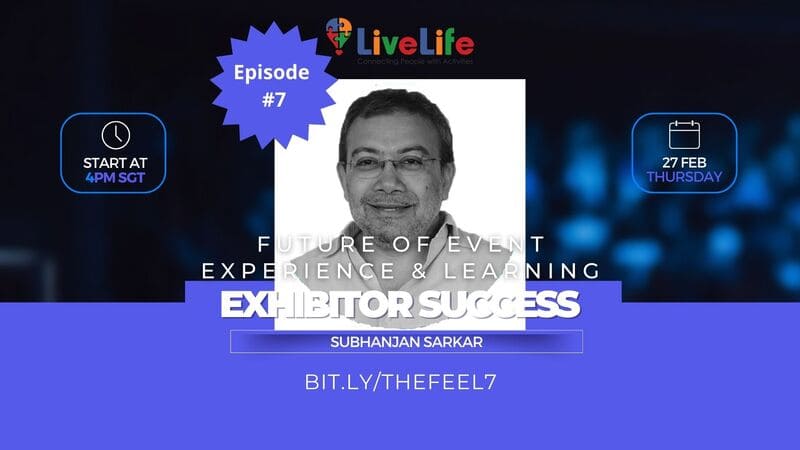
This is exactly the topic we explored with Subhanjan Sarkar in The FEEL: Future of Event Experience & Learning podcast. But before you watch the full discussion, let's uncover a few hints of what makes great sales performance at exhibitions.
Preparation is More Than Just Knowing Your Script
The best in B2B sales in exhibition don't simply memorize pitch decks. They train themselves to understand their audience deeply—knowing potential challenges, questions, and hesitations. This preparation goes beyond brochures and talking points; it includes simulated scenarios, role plays, and practice for unexpected objections.
Imagine walking into a booth and being met with answers that feel tailored to your exact situation. That level of readiness doesn't happen by chance—it's intentional.
Listening as a Competitive Advantage
Even with preparation, exhibitions are full of surprises. Visitors might reveal pain points you didn't anticipate. Great B2B sales in exhibition know that listening attentively is the secret weapon.
It's not only about hearing the words but also interpreting tone, body language, and expressions. A visitor crossing arms might mean hesitation, while a nod at the right moment signals readiness. Salespeople who tune into these subtle cues can adapt on the spot—transforming casual interest into meaningful conversations.
When Helping Matters More Than Selling
Sometimes, the solution you offer doesn't fit the visitor's problem. Ironically, that's where trust is built. Salespeople who focus on being genuinely helpful—offering advice, sharing insights, or even pointing to alternative solutions—are remembered long after the exhibition ends.
Why? Because people trust those who prioritize solving problems over closing deals. And trust often leads to referrals, introductions, and long-term relationships—assets far more valuable than a quick win.
As Brian Tracy once said: “Approach each customer with the idea of helping him or her solve a problem or achieve a goal, not selling a product or service."
Curious About the Full Strategy?
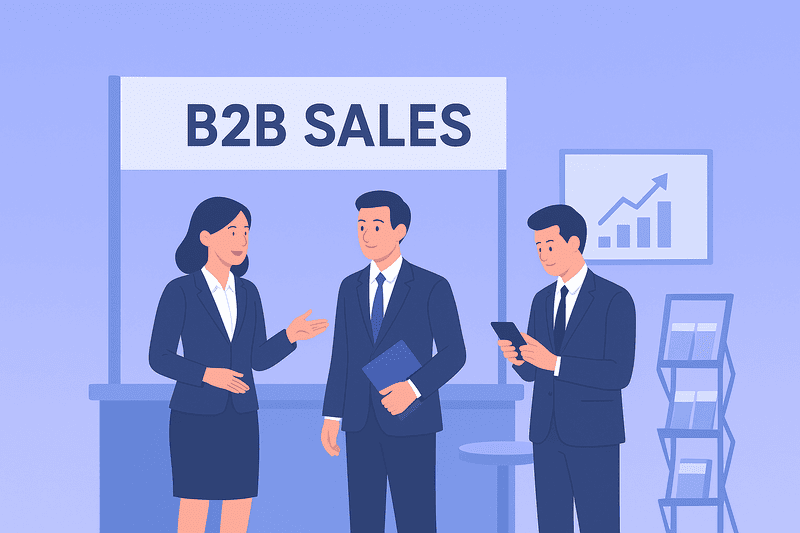
We've only scratched the surface here. The real question is: how do the best sales professionals put all these principles together in the fast-paced, noisy environment of an exhibition?
That's exactly what we uncovered in the live conversation with Subhanjan Sarkar. His decades of B2B experience will reveal what makes B2B sales in exhibition truly effective—and how you can apply the same strategies in your own business.
Great B2B sales don’t stop at the booth. They continue with consistent and effective booth lead follow-up that builds real trust.
Watch the conversation on The Feel Podcast.
Need personalized guidance on B2B sales in exhibition?
Follow Mike Gunawan on Linkedin.

Frequently Asked Questions
Q1: How do top professionals prepare for high-impact B2B sales in exhibition environments beyond memorizing standard scripts?Top professionals prepare for B2B exhibitions by diving deep into audience research to anticipate specific customer challenges, unstated hesitations, and complex technical questions. Rather than simply reviewing marketing brochures or pitch decks, elite teams conduct interactive role-plays and simulated scenario training to ensure they can confidently handle unexpected objections and deliver tailored solutions on the spot.
Q2: Why is interpreting visitor body language and non-verbal communication considered a competitive advantage during trade show interactions?Interpreting body language and non-verbal cues provides a massive competitive advantage because it allows booth personnel to uncover a visitor's true intent and underlying emotions that words alone might not convey. By closely observing subtle indicators like crossed arms, which often signal hesitation, or timely nods that indicate purchasing readiness, salespeople can dynamically adapt their approach in real time to keep conversations highly relevant.
Q3: How does a helpful, non-transactional mindset build stronger brand trust on the exhibition floor?A helpful mindset builds immense brand trust because modern B2B buyers naturally resist aggressive, self-serving product pitches and appreciate professionals who prioritize problem-solving over closing a quick deal. Even if your specific product does not fit the visitor's immediate challenge, offering objective advice, sharing deep industry insights, or recommending alternative solutions establishes immense professional credibility that leads to long-term referrals and future business partnerships.
Q4: What are the main benefits of watching the full episode of The FEEL Podcast featuring B2B sales expert Subhanjan Sarkar?Watching the full episode on The FEEL Podcast provides actionable strategies and proven frameworks from decades of B2B field experience on how to seamlessly execute sales principles within a crowded, fast-paced exhibition environment. Viewers will discover the exact systems required to elevate on-site staff performance, master conversational engagement, and build a reliable pipeline that converts casual foot traffic into measurable post-show business growth.
Main Article
Related Articles
Banner
Write a comment