
Engaging Attendees at B2B Trade Shows: Why Most Brands Get It Wrong
-
B2B trade show floors are highly saturated and competitive, meaning that success relies on connecting smarter rather than pitching harder to avoid being entirely forgettable.
-
A major pitfall for exhibitors is rushing to qualify a lead within a three-minute window, creating a transactional environment that makes visitors feel pressured rather than understood.
-
Shifting the conversational dynamic by asking open-ended questions allows attendees to drive the narrative, share their actual business motivations, and feel genuinely valued.
-
Trade show success is measured by brand recall and meaningful interactions; visitors remember the specific conversations that made them feel understood over a company logo.
-
Implementing subtle operational shifts—such as training staff to listen first, capturing unique conversational insights, and aligning sales with marketing—dramatically enhances post-event conversions.
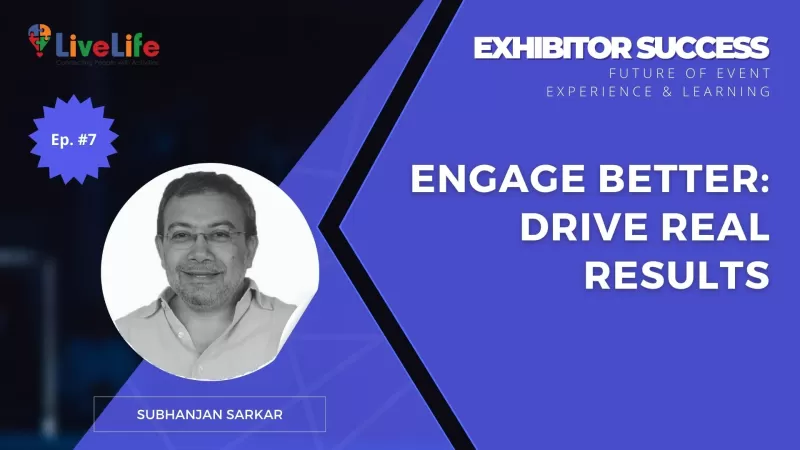
This is the summary based on The FEEL Podcast with Subhanjan Sarkar.
Engaging attendees at B2B trade shows - Trade shows are crowded, noisy, and packed with brands all competing for attention. Every booth promises innovation, every team hopes for leads, and yet—most visitors leave without remembering who they even spoke with.
Why? Because engaging attendees at B2B trade shows is not about pitching harder; it's about connecting smarter. Brands that master this skill can turn fleeting encounters into long-term business opportunities.
The Hidden Question Visitors Ask Themselves
When attendees walk past a booth, they don't immediately think, "Should I buy?" Instead, they silently ask:
- What does this brand really do?
- How is it relevant to me?
- Can they solve my challenges?
The irony is that many exhibitors flip this around. Instead of helping visitors find answers, they jump straight into trying to qualify leads in a rushed three-minute conversation.
It feels less like a conversation and more like a cold call at a crowded event. Unsurprisingly, attendees walk away disengaged. This is where engaging attendees at B2B trade shows requires a new mindset—one centered on listening before selling.
Why Most Booth Conversations Fail
Here's the trap: exhibitors focus so much on qualifying that they forget the visitor is also qualifying them. If all they hear are self-serving sales pitches, they'll quickly move to the next booth.
Even worse, they'll remember the interaction as transactional rather than meaningful. And in an environment filled with competitors, being forgettable is the fastest way to waste your trade show investment.
To avoid this, brands must rethink what engaging attendees at B2B trade shows truly means—transforming a booth from a transactional space into a conversation hub.
A Smarter Way to Start Conversations
Imagine walking into a booth where instead of being interrogated, you're simply asked: "What brings you to this trade show?" The question is open, disarming, and allows the attendee to share what actually matters to them.
Suddenly, the dynamic shifts. Instead of pushing an agenda, the brand is listening, learning, and uncovering real motivations.
This small shift changes everything:
- Visitors feel valued, not pressured.
- Exhibitors gain insights they could never capture in a scripted pitch.
- Conversations become memorable because they are relevant and human.
- From Booth Interaction to Long-Term Connection
From Booth Interaction to Long-Term Connection
Trade show success isn't about how many people you talk to; it's about how many remember you afterward. When you listen first and respond with tailored insights, your booth becomes the one that stands out in a sea of sameness.
Visitors don't recall the logo they saw—they recall the conversation that made them feel understood.
Strategies for Engaging Attendees During Trade Shows
To move beyond surface-level interactions, exhibitors can:
- Train booth staff to ask open-ended questions instead of rushing to qualify.
- Focus on the attendee's motivations, not just the product pitch.
- Capture insights from each conversation for thoughtful follow-up.
- Align marketing and sales so engagement feels seamless from booth to inbox.
These are not radical changes. They are subtle adjustments that shift the focus from selling to connecting. Yet they can dramatically improve lead quality, brand recall, and post-event conversions.
The Experience That Stays With Visitors
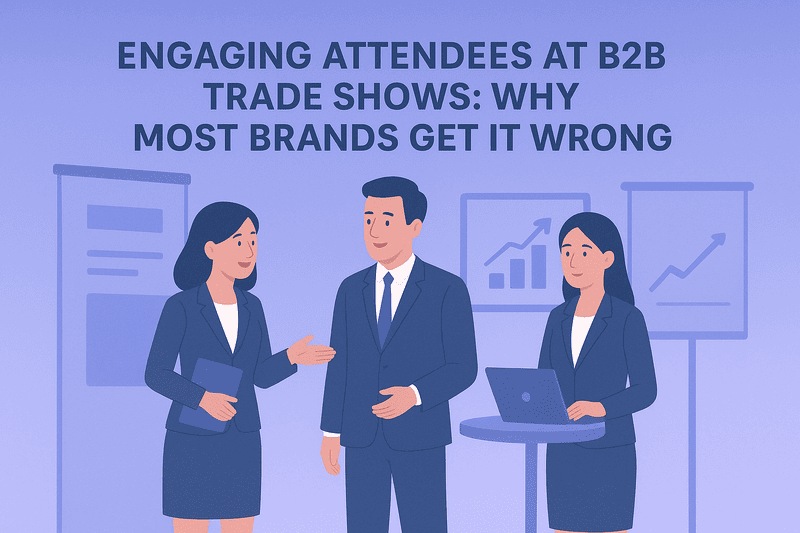
Think back to your own trade show experiences. Do you remember the booths that launched into a rehearsed sales spiel? Or the ones that listened, asked questions, and offered value in the moment? Visitors are no different. They want conversations that matter, not just another pitch.
Curious how leading experts put these strategies into action? In our podcast The FEEL: Future of Event Experience & Learning, Subhanjan Sarkar reveals why most exhibitors fail at engaging attendees at B2B trade shows—and how one simple question can make all the difference.
Don't let your next booth be forgettable. Start conversations that last. True engagement isn’t finished at the booth—it continues when brands follow up booth leads effectively after the event.
Watch the conversation on The Feel Podcast.
Need personalized guidance on engaging attendees at B2B trade shows?
Follow Mike Gunawan on Linkedin.

Frequently Asked Questions
Q1: Why do most standard booth conversations fail to engage attendees at B2B trade shows?Most booth conversations fail because exhibitors focus too heavily on aggressively qualifying the lead within the first few minutes instead of listening to the visitor. When booth staff launch immediately into self-serving, rehearsed sales pitches, the interaction feels like an interrogation or a cold call, causing visitors to quickly disengage and move on to a competitor.
Q2: What hidden questions are trade show visitors silently asking themselves when passing a booth?When attendees pass an exhibition booth, they are not immediately wondering whether they should buy a product. Instead, they are internally evaluating what the brand actually does, how that brand is directly relevant to their business, and whether the company possesses the capabilities to solve their specific professional challenges.
Q3: How does asking open-ended questions change the dynamic of booth interactions?Asking open-ended questions completely shifts the dynamic from a forced sales push to an authentic, human connection. It disarms the visitor and allows them to freely share what truly matters to them, which helps booth staff gather valuable, unscripted business insights while ensuring the attendee feels respected rather than pressured.
Q4: What strategies can exhibitors use to transition a brief booth interaction into a long-term business connection?To turn brief encounters into long-term opportunities, exhibitors must train their staff to prioritize attendee motivations over rigid product pitches and capture distinct conversational insights for every interaction. Additionally, aligning the marketing and sales teams ensures that the personalized engagement established at the booth transitions seamlessly into the post-event digital inbox.
Q5: What is the true measure of success when engaging attendees on the exhibition floor?The true measure of trade show success is not the volume of people your team speaks with, but how many of those attendees actually remember your brand after the event ends. Long-term success is achieved when a booth functions as a conversation hub, leaving visitors with tailored insights and a memorable experience that naturally inspires future collaboration.
Main Article
Related Articles
Banner
Write a comment