
Exhibition Booth Design: The Ultimate Guide to Creating Impactful Visitor Experiences
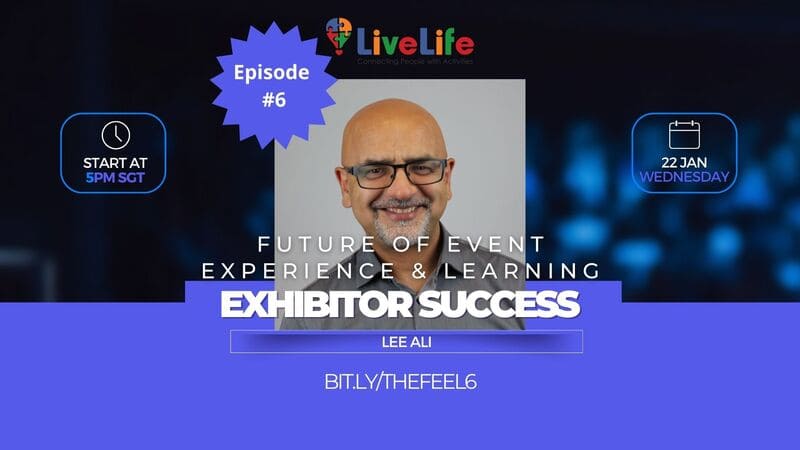
This is the summary based on The FEEL Podcast with Lee Ali.
Exhibition booth design is more than just aesthetics — it's the heart of how brands attract, engage, and convert visitors on the tradeshow floor.
During The FEEL: Future of Event Experience & Learning podcast, expert Lee Ali revealed how the TEO (Tradeshow Engagement Optimization) methodology transforms booth design from a static display into a powerful emotional experience.
In this pillar article, we'll unpack his framework, explore common exhibitor mistakes, and show you how to align your booth design with strategy, staff performance, and post-event follow-up.
Whether you're planning your first exhibition or optimizing your 50th, these insights will help you design a booth that feels alive — and delivers measurable business results.
Why Exhibition Booth Design Starts with Emotion
Exhibition booth design must first connect emotionally. As Lee Ali explained, when we trigger emotions through sight, sound, touch, scent, and even taste, visitors are more likely to form lasting impressions.
This emotional connection — known as emotional engagement — builds trust faster than any digital ad ever could.
Think of your booth as a story space. Every light, color, texture, and sound should tell a part of your brand story. When visitors "feel" something — curiosity, excitement, belonging — they remember you long after they leave.
How to Trigger Emotion in Booth Design
- Sight: Use color psychology and lighting that match your brand's energy.
- Sound: Integrate subtle ambient music or live demos to add atmosphere.
- Touch: Offer tactile elements — textured surfaces or interactive screens.
- Smell: Use subtle scents that evoke positive moods.
- Taste: If relevant, include product samples to engage the final sense.
At its best, exhibition booth design becomes an emotional bridge — connecting people, purpose, and product into one unified experience.
The 5 Pillars of Tradeshow Engagement Optimization (TEO)
Lee Ali's TEO framework mirrors SEO for exhibitions — a systematic way to attract, engage, and convert booth visitors into valuable leads. Let's explore how each pillar reinforces your exhibition booth design and overall strategy.
Pillar 1: Exhibitor Strategy — Start with a Clear "Why"
Many brands attend exhibitions without a defined strategy. They book space, build a booth, and hope for the best. But without clarity of purpose, even the most stunning exhibition booth design falls flat.
Ask yourself:
- Why are we exhibiting?
- What business goal are we supporting — awareness, sales, partnerships, or education?
- How will we measure success (see: trade show KPIs)?
Your strategy must align with your company's growth goals. A clear "why" ensures every decision — from design to staffing — works toward the same business outcome.
Pillar 2: Booth Visitor Journey — Design with Intention
Just like a website visitor follows a path, an exhibition visitor experiences a visitor journey exhibition that moves from curiosity to connection. Your booth layout should guide this progression seamlessly.
The Booth Visitor Journey Stages
- Attract: From afar, your booth should visually invite visitors in.
- Engage: Once inside, your staff and displays should spark meaningful interaction.
- Convert: Capture leads, feedback, or commitments while the interest is high.
- Follow Up: Transition the in-person experience into ongoing digital engagement.
Your exhibition booth design should reflect these stages visually — with clear sightlines, open flow, and well-defined interaction zones. Strategic wayfinding, lighting, and messaging all help guide visitors naturally through each step.
Pillar 3: Booth Success Depends on the Staff
Even the most breathtaking exhibition booth design can fail if the booth team lacks energy, empathy, or expertise. Research from CEIR shows that 85% of booth success depends on staff performance — not design or tech.
To ensure strong exhibition booth staff performance, train your team to:
- Initiate friendly conversations.
- Read visitor body language.
- Listen actively before pitching.
- Share insights, not just product features.
Avoid the classic booth staff mistakes — crossed arms, phone distractions, or huddling with colleagues. Remember, people buy from people they trust. A smile and sincere curiosity go further than any giveaway.
Pillar 4: Measuring Booth Success
As Lord Kelvin said, "When we can measure, we understand better." Measuring trade show KPIs ensures your booth delivers ROI, not just "great conversations."
Effective exhibitors align marketing, sales, and customer success teams to define metrics together. Beyond counting leads, measure:
- Conversion rate from booth visitors to qualified leads.
- Average interaction time.
- Post-show engagement rate.
- Follow-up success rate (see: measuring tradeshow success).
Your exhibition booth design should support data capture — with integrated lead scanning, digital surveys, or interactive dashboards. When measurement becomes part of the design, insights flow naturally.
Pillar 5: The Missing Piece — Post-Event Follow-Up
Up to 60% of exhibitors fail to execute a proper Post-event follow-up strategy, losing potential revenue that's already within reach. After your team has invested time and resources, don't let momentum fade.
Use tools like CRMs or AI note-takers to organize leads by type (MQL, SQL) and priority (hot, warm, cold). The secret is in connecting your booth conversation to your follow-up message seamlessly — a hallmark of effective post tradeshow follow up.
Example: If a visitor shared interest in sustainability, your post-show email should include your brand's green initiatives — not a generic product list.
Your exhibition booth design plays a role here too. Integrate QR codes, demo sign-ups, or photo moments that make post-show communication natural and relevant.
The Role of Booth Design in the TEO Framework
Once the 5 pillars are aligned, exhibition booth design becomes the physical manifestation of your entire strategy. It merges storytelling, psychology, and function to deliver the ultimate brand experience.
Physical Design: Attraction from a Distance
Your booth should stand out visually while remaining consistent with your brand identity. Consider:
- Height and visibility in the hall.
- Use of motion (LED walls, rotating displays).
- Lighting that highlights key products or zones.
Creative and Copy: Instant Recognition
Within 3 seconds, a passerby decides whether to stop. Make sure your booth copy — taglines, banners, digital screens — clearly communicate your unique value proposition.
Interactive Design: Engage and Convert
Incorporate touchscreens, demos, or AR experiences to immerse visitors. Every element of your exhibition booth design should invite participation.
Just as in dating, first impressions matter — but meaningful connection keeps people coming back.
Common Exhibitor Challenges (and How to Fix Them)
Even seasoned exhibitors fall into recurring traps. Let's uncover the most common ones and how to prevent them.
Unclear Goals and Weak Strategy
Without defined trade show goals, teams fall into routine habits — "we've always done it this way." The solution is to involve cross-department stakeholders early and ensure alignment between marketing and sales.
Poorly Designed Booth Visitor Journey
When your booth journey doesn't match visitor intent, engagement drops. Remember: 89% of visitors attend exhibitions to learn, not to buy. Offer value-driven experiences that educate, not hard-sell.
Booth Staffing Mistakes
Wrong staff selection or lack of training can ruin even the best exhibition booth design. Choose team members who are proactive, empathetic, and knowledgeable.
Weak Measurement Habits
Without proper metrics, success remains subjective. Define trade show KPIs clearly — from lead quality to conversion rates — and share results across departments.
Poor Post-Event Follow-Up
Following up too late or with generic messages kills momentum. Plan your post-event follow-up strategy before the show even begins.
Key Takeaways: The 3 Golden Lessons of Exhibitor Success
Based on Lee Ali's expertise, here are the three most powerful lessons for future exhibitions:
- Define Your Why.
Never exhibit without knowing your exact purpose and desired outcome. - Understand Your Audience.
Learn their pain points and aspirations. Shape your booth visitor journey to serve them authentically. - Integrate Emotion and Measurement.
Great exhibition booth design merges creativity with analytics. Balance emotional engagement with measurable performance.
What's Next for Exhibition Professionals
The future of exhibitions lies in data-informed creativity — merging human connection with technology. Whether you're enhancing your booth design, training staff, or optimizing follow-up, success depends on seeing exhibitions not as one-time events but as ecosystems of engagement.
Our next FEEL: Future of Event Experience & Learning podcast will feature Subhanjan Sarkar discussing Successful Tradeshow Strategies and how emotional intelligence transforms visitor interactions.
Until then, review your current exhibition booth design and ask:
"Does it make people feel something — and does it lead them somewhere meaningful?"
If the answer is "not yet," then you've just found your next big opportunity.
Watch the conversation on The Feel Podcast.
Need personalized guidance on exhibition booth design?
Follow Mike Gunawan on Linkedin

Frequently Asked Questions
Q1: What is the TEO (Tradeshow Engagement Optimization) methodology in exhibitions?TEO is a systematic framework that applies digital SEO principles to the physical trade show floor. Just as online SEO optimizes websites to rank higher and capture search intent, TEO optimizes an exhibition booth to naturally attract, engage, and convert foot traffic. This method treats your booth layout, messaging, and staff interaction as an integrated ecosystem designed to guide a visitor seamlessly from initial visual curiosity to a qualified business lead.
Q2: Why should trade show booth design focus heavily on emotional engagement?Exhibition booth design must prioritize emotional engagement because humans make decisions and retain memories based on how an experience makes them feel. Since the majority of attendees visit trade shows to learn and find solutions rather than face an aggressive sales pitch, a booth must establish immediate psychological trust. By combining storytelling with sensory marketing elements like tailored lighting, ambient sound, and tactile experiences, you transform a rigid structural display into an immersive environment that drives long-term brand recall.
Q3: How do you map an effective trade show booth visitor journey?An effective booth visitor journey is mapped by designing clear physical zones that align with the visitor's psychological stages of engagement. First, you create an outer "Attract" zone using high-visibility visuals and a 3-second scannable value proposition to stop passersby. Next, you guide them into an inner "Engage" zone featuring low-friction interactive elements like product demos or touchscreens to increase their dwell time. Finally, the layout should naturally funnel high-intent visitors into a "Convert" zone where staff can seamlessly qualify leads, scan badges, or secure post-event commitments.
Q4: What are the most common booth staffing mistakes that ruin event ROI?The most critical booth staffing mistakes include displaying negative body language, mismanaging team roles, and failing to record the context of a conversation. When staff members cross their arms, scroll on their phones, or huddle with colleagues, they project unapproachability and actively push traffic away. Furthermore, putting aggressive sales reps at the perimeter instead of warm greeters intimidates casual learners, while mindlessly scanning badges without logging the visitor's specific pain points results in cold, generic post-show outreach that fails to convert.
Q5: How do you measure trade show success using KPIs?Measuring trade show success requires moving away from subjective gut feelings and tracking specific, cross-department metrics. Key performance indicators include the booth conversion rate, which measures the percentage of total hall traffic that steps into your space, and the average dwell time spent on your interactive displays. More importantly, exhibitors must track lead quality ratios by segmenting prospects into marketing or sales qualified categories, alongside pipeline acceleration value, which calculates the projected revenue from deeper demos or follow-up meetings booked directly from the show floor.
Q6: What is the most effective post-tradeshow follow-up strategy?The most effective post-tradeshow follow-up strategy relies on speed and strict contextual personalization. Exhibitors should initiate their first touchpoint within 24 hours of the show closing while the emotional brand experience is still fresh in the visitor's mind. Instead of sending a generic mass email blast, you must segment your leads within your CRM and tailor your outreach to the exact topics discussed at the booth, such as sending a specific case study or solution brief that directly answers the pain points logged by your staff during the interaction.
Banner
Write a comment