
Growth Mindset for Associations: Unlocking Long-Term Organizational Success
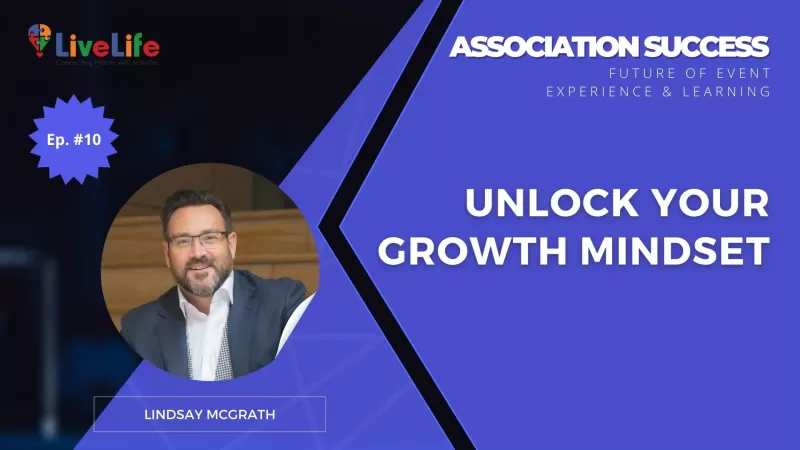
A growth mindset for associations isn’t just a trendy concept—it’s a necessity for long-term success.
This is the summary based on The FEEL Podcast with Lindsay McGrath.
Associations often focus on programs, events, and membership growth, but without cultivating a mindset that embraces curiosity, courage, and clarity, they risk stagnation.
But here’s the part most people miss: growth isn’t just about strategies; it’s about instilling a culture that encourages every team member to evolve alongside the organization.
Drawing insights from The FEEL #10: Association as Strategic Marketing Organization (podcast) with Lindsay McGrath, this article explores how associations can adopt a growth mindset, the practical steps to embed it, and why it’s critical for sustainable impact.
Why Growth Mindset Matters for Associations
Beyond Programs and Events
Many associations operate in a cycle of repeating programs, events, and campaigns year after year. While consistency is valuable, it can also create blind spots.
A growth mindset shifts the focus from just delivering services to continuously learning, iterating, and innovating.
In the podcast, Lindsay emphasizes that associations are not islands—they operate in dynamic industries where technological, cultural, and social changes require agility.
Organizations that cultivate a growth mindset are better positioned to anticipate trends, adapt strategies, and meet member expectations proactively.
The Three Pillars of Growth Mindset
According to Lindsay, three core principles can guide associations toward a sustainable growth mindset:
Curiosity
Curiosity drives innovation. Associations should regularly ask: What can we explore beyond our current programs? Which trends or technologies are shaping our sector?
Being curious means encouraging teams to question assumptions, test new ideas, and explore collaborations that might initially seem unconventional.
For example, experimenting with digital events or AI-driven membership platforms can open avenues for deeper engagement.
Courage
Courage empowers associations to take calculated risks. Whether launching a new membership model, piloting an untested event format, or advocating for bold industry changes, courageous decisions create opportunities for growth.
But here’s the part most people miss: courage isn’t reckless; it’s informed risk-taking. Organizations that embrace courage measure impact, learn from failures, and iterate quickly—turning mistakes into valuable lessons.
Clarity
Clarity ensures that curiosity and courage are aligned with the organization’s mission and vision. Associations should ask: What don’t we know yet? What skills and knowledge gaps need to be addressed? Who can we collaborate with to expand our expertise?
A clear framework prevents teams from spreading themselves too thin and allows them to focus on initiatives that truly move the organization forward.
Practical Steps to Foster a Growth Mindset
Encourage a Culture of Learning
Growth mindset starts with culture. Associations can host regular workshops, cross-department knowledge sharing, and mentorship programs to encourage continuous learning.
Incorporating reflective practices—like post-event debriefs—helps teams analyze successes and areas for improvement.
Integrate Mindset Into Leadership
Leaders set the tone. By modeling curiosity, courage, and clarity, executives reinforce the growth mindset across the organization.
Leadership training should emphasize coaching, active listening, and embracing innovative approaches.
Create Feedback Loops
Associations should actively seek feedback from members, staff, and stakeholders. Surveys, focus groups, and analytics provide insights that inform better decision-making.
The podcast highlights how repurposing content and summarizing lessons ensures continuous improvement and organizational memory.
Embrace Iteration
Instead of waiting for perfect solutions, associations should adopt the “ready, fire, aim” approach. Launch initiatives, gather feedback, and iterate.
This allows for agile adaptation to changing member needs and industry trends.
Case Insights from the Podcast
In The FEEL #10 podcast, Lindsay shares actionable insights for associations looking to embed a growth mindset:
- Repurpose content for continuous learning: Every event, webinar, or publication should feed into a larger learning ecosystem. This ensures knowledge isn’t lost and contributes to organizational growth.
- Ask reflective questions: Encourage team members to regularly self-assess their curiosity, courage, and clarity. Questions like “What can I learn today?”, “What risks should we take?”, and “What don’t I know yet?” create a culture of self-driven growth.
- Think beyond the event or program: Growth mindset is about long-term thinking. How does this year’s initiative set the foundation for the next five or ten years?
These practices demonstrate that mindset isn’t abstract—it’s operationalized through strategic reflection, measurement, and iterative improvement.
Closing Thoughts
Embracing a growth mindset for associations is not optional in today’s rapidly evolving landscape—it’s essential.
Curiosity encourages exploration, courage drives bold action, and clarity ensures alignment with organizational objectives.
Associations that cultivate these qualities position themselves to innovate, serve members more effectively, and sustain long-term impact.
As the podcast emphasizes, asking reflective questions and repurposing insights are not just tactics—they are habits that embed growth into the association’s DNA.
Organizations that act on these principles will not only survive but thrive in the years ahead.
Want to dive deeper with real case studies and expert insights?
Watch the conversation on The Feel Podcast.
Need personalized guidance on growth mindset for associations?
Follow Mike Gunawan on Linkedin

FAQs About Growth Mindset for Associations
Q1: What is a growth mindset for associations?It’s the organizational culture and attitude of continuously learning, adapting, and embracing challenges to foster long-term success.
Q2: How can curiosity be encouraged within an association?Encourage experimentation, provide learning resources, hold cross-department brainstorming sessions, and reward innovative thinking.
Q3: Why is courage important for associations?Courage enables organizations to take calculated risks, try new initiatives, and innovate beyond conventional approaches.
Q4: How does clarity support a growth mindset?Clarity aligns curiosity and courage with the association’s mission, ensuring efforts are focused and impactful.
Q5: Can growth mindset principles improve member engagement?Absolutely. Members respond positively to associations that innovate, adapt, and demonstrate forward-thinking leadership.
Main Article

Related Articles
Banner

Write a comment