
Building a Winning Event Technology Strategy
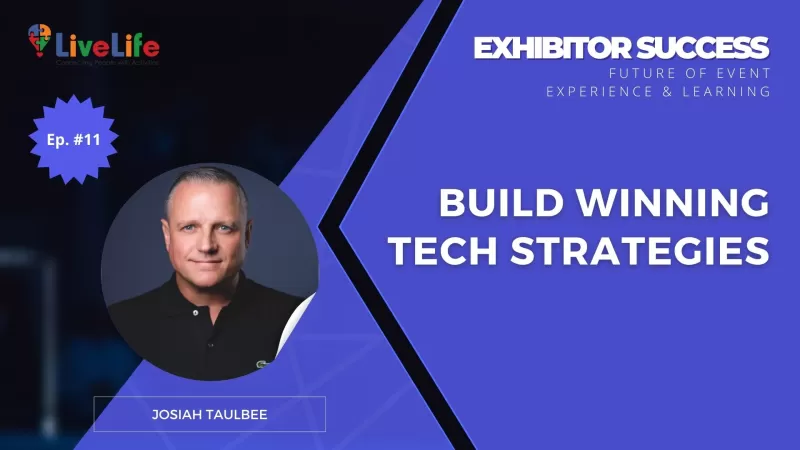
Event technology strategy — The hidden chaos behind every event platform. Have you ever felt like you're juggling too many tools, yet none of them truly connect?
This is the summary based on The FEEL Podcast with Josiah Taulbee.
You've got registration software, mobile apps, CRM integrations, and maybe even AI matchmaking—all supposedly helping your event run smoothly.
But here's the hard truth: technology alone doesn't create success. Strategy does.
Without a clear event technology strategy, even the most advanced platforms can become sources of confusion rather than clarity.
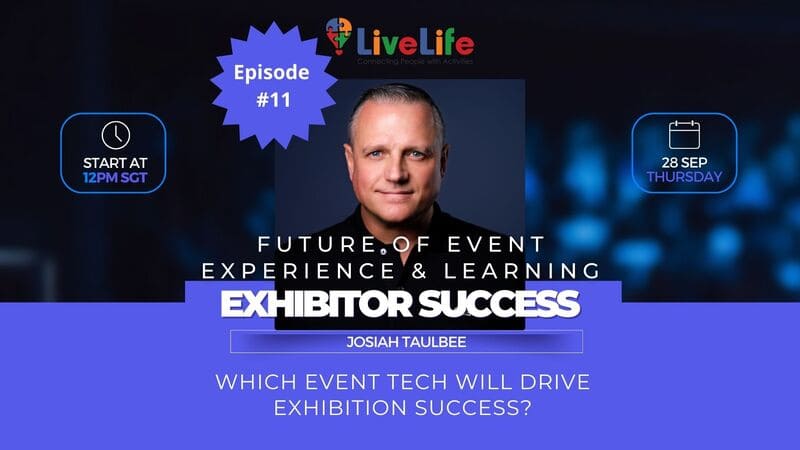
In fact, as discussed by Josiah Taulbee in The FEEL #11: Which Event Tech will Drive Exhibition Success? (podcast), most organizers make the same mistake—starting with tools before defining purpose.
Why Every Organizer Needs an Event Technology Strategy
The Tech Trap: When Tools Drive Decisions
Josiah puts it simply: "People look at event tech in verticals. They pick a particular technology and focus on that—without realizing how it fits into the bigger picture."
That's where most event professionals go wrong.
They rush to buy software without asking:
- What is our event's core objective?
- Who are we trying to serve—attendees, exhibitors, sponsors?
- What outcomes define success?
Your event technology strategy should start with clarity, not gadgets.
Aligning Technology with Purpose
An effective strategy doesn't just list tools—it connects every platform to a defined goal.
For instance:
- Use data analytics to improve session engagement.
- Implement AI matchmaking to maximize networking outcomes.
- Integrate lead capture solutions to help exhibitors measure ROI.
The difference lies in intentional design—making each tech decision part of a bigger strategic map.
But here's the part most people miss: the best strategies evolve around people, not platforms.
The Core Pillars of an Effective Event Technology Strategy
1. Define the "Why" Before the "What"
Start with your mission. Is your event about community building, lead generation, or brand visibility?
Once your "why" is crystal clear, your "what" (technology choices) becomes easier to define.
Josiah emphasizes, "If you don't know what you're trying to accomplish, it's hard to align the tech to those objectives."
2. Audit Your Existing Ecosystem
Most organizations already use multiple systems—but rarely check if they actually work together.
Ask yourself:
- Which tools are effective?
- Which are redundant?
- Where are the data gaps?
Creating a map of your current ecosystem helps identify overlaps and opportunities for integration.
There's one strategy rarely discussed—start by fixing inefficiencies before adding new platforms. Sometimes, less is more.
3. Build for Integration, Not Isolation
The most powerful event ecosystems don't rely on standalone apps. They rely on connected systems.
- Sync CRM and registration data.
- Integrate analytics dashboards with engagement platforms.
- Ensure all systems follow a shared data schema.
By unifying data sources, you turn fragmented reports into a single story of attendee behavior and event performance.
4. Measure What Truly Matters
Metrics without meaning can be misleading. Don't just track app downloads or booth visits—measure impact.
Ask:
- Which sessions drive the highest engagement?
- Which exhibitors generate the most qualified leads?
- How many attendees converted into repeat customers?
An event technology strategy rooted in outcomes helps translate data into real growth.
5. Empower a Tech Champion
Managing event tech isn't a one-person job—but having a dedicated "tech champion" ensures someone owns the process.
This person bridges the gap between technology providers, organizers, and marketing teams, keeping strategy on track.
Common Mistakes to Avoid in Event Tech Strategy
Mistake #1: Starting with the Tool, Not the Goal
Don't let shiny new tech dictate your direction. Always begin with purpose.
Mistake #2: Ignoring User Experience
The best event tech feels invisible. It empowers users without overwhelming them.
Mistake #3: Lack of Post-Event Data Utilization
The event may end, but your data shouldn't. Post-event analysis is where the strategy truly pays off.
Mistake #4: No Long-Term Vision
Too many organizers build strategies around one event. Think long-term—design a framework that scales across multiple exhibitions.
What Most People Miss About Event Technology Strategy
There's one crucial truth: strategy is alignment.
When your goals, audience, and tools are aligned, everything else falls into place—communication flows better, stakeholders stay connected, and ROI becomes measurable.
But when your strategy is fragmented, even the best tools can't save you.
As Josiah said in the podcast, "You need clarity on your purpose, your personas, and the outcomes you want. Without that clarity, effective strategy is impossible."
The Missing Piece You Need to Hear
Event professionals often ask, "What's the best event tech platform?"
But that's the wrong question. The right question is: "What's the best strategy for our event goals?"
Technology will keep evolving, but clarity and alignment will always be the foundation of success.
So if you're ready to elevate your exhibitions from functional to phenomenal—it's time to build a real event technology strategy that connects everything together.
Want to dive deeper with real case studies and expert insights?
Watch the conversation on The Feel Podcast.
Need personalized guidance on event technology strategy?
Follow Mike Gunawan on Linkedin

FAQ: Event Technology Strategy
Q1: What is an event technology strategy?It's a structured approach to selecting, integrating, and managing event technologies that align with your goals and audience needs.
Q2: Why is event technology strategy important?It ensures every tool serves a purpose, enhances attendee experience, and contributes to measurable success.
Q3: How do I create a successful event technology strategy?Start with your objectives, audit your current systems, integrate platforms, and track outcome-based metrics.
Q4: What tools should I include in my event technology stack?Common tools include registration platforms, CRM systems, mobile apps, analytics dashboards, and engagement tools.
Q5: How can I measure the success of my strategy?Track performance against key KPIs—like engagement rates, lead quality, and ROI improvements over time.
Main Article
Related Articles
Banner
Write a comment