
How to Manage Event Tech for Exhibitions Like a Pro
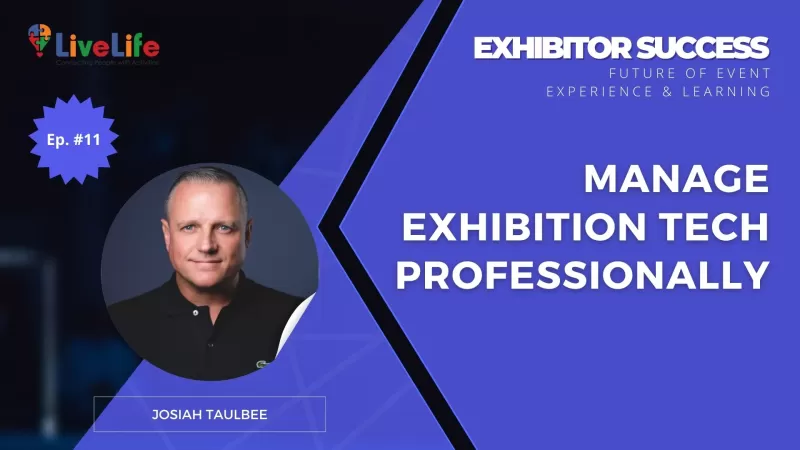
How to manage event tech for exhibitions — When event tech turns from help to headache. If you've ever managed an exhibition, you know the pressure: endless logistics, demanding sponsors, unpredictable attendees — and on top of that, the complex maze of event technology.
This is the summary based on The FEEL Podcast with Josiah Taulbee.
From registration systems to engagement apps, from lead scanners to data dashboards, event tech is supposed to simplify your life. Yet, many organisers end up overwhelmed, rushing through decisions, and firefighting issues that could've been prevented.
The truth? The problem isn't the technology — it's how it's managed.
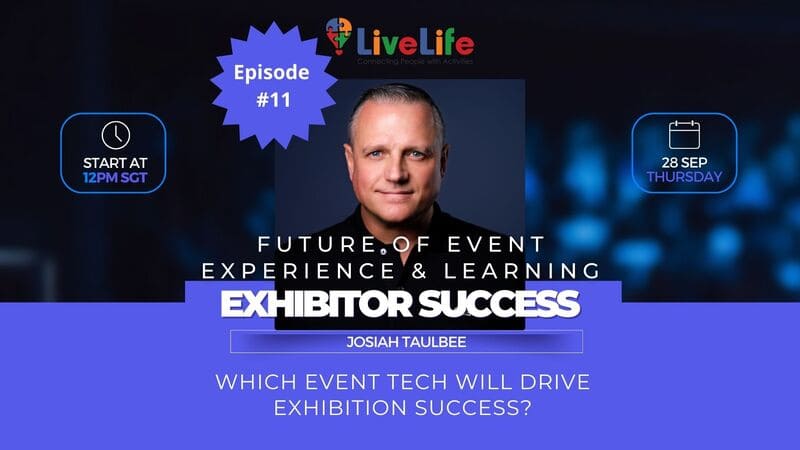
In The FEEL #11: Which Event Tech will Drive Exhibition Success? (podcast), industry veteran Josiah shares what every organiser needs to hear: managing event tech isn't about mastering tools — it's about mastering strategy.
Let's explore the real framework behind how to manage event tech for exhibitions — one that transforms confusion into clarity and technology into an advantage.
The Hidden Complexity Behind Event Tech Management
Exhibition organisers juggle dozens of responsibilities. Amid the chaos, technology often becomes an afterthought — something purchased too late, deployed too fast, and rarely aligned with the event's core purpose.
"You need to start with a strategy, not a tool," Josiah emphasised during the podcast.
That single insight reshapes the entire conversation. Because without a strategic foundation, even the best software won't fix broken workflows or disjointed communication.
Strategic Framework: How to Manage Event Tech for Exhibitions
1. Begin with the End in Mind
Before signing a contract or testing a demo, define what success looks like.
Ask yourself and your team:
- What are the outcomes we want this tech to enable?
- How will data and insights from this system help us improve future events?
- Who are the main users, and what frustrations are we solving for them?
This simple exercise sets a clear direction — ensuring your technology decisions align with measurable goals, not trends or vendor promises.
But here's the part most organisers miss: your definition of success must go beyond "smooth operations." It should include long-term insights, audience behavior data, and ROI tracking capabilities.
2. Assign a Dedicated Event Tech Lead
Technology deserves focus — and that means having someone who owns it.
Many organisers split tech responsibilities across marketing, operations, and vendor management. The result? Confusion, duplicated tasks, and missed integrations.
The best-managed exhibitions have a dedicated event tech lead — an internal or external expert responsible for:
- Coordinating all tech vendors
- Overseeing hardware and software readiness
- Managing integrations between systems
- Ensuring data accuracy and compliance
It's not about adding bureaucracy — it's about adding clarity.
"It takes someone with the right expertise to distinguish between hardware, software, and strategy," Josiah noted. "Otherwise, you end up patching instead of planning."
3. Synchronize Hardware, Software, and Human Flow
Managing event tech means managing three worlds at once:
- Hardware – scanners, kiosks, screens, badges
- Software – apps, CRM, analytics, automation tools
- People – organisers, exhibitors, and attendees
Most failures happen when these worlds don't talk to each other. Imagine a flawless registration app that crashes on-site because of poor Wi-Fi, or an engagement platform that doesn't sync with the exhibitor's lead data.
One strategy rarely discussed is conducting a tech rehearsal — a full pre-event simulation where all tools and teams are tested together. This proactive step reveals integration gaps before they turn into live-day disasters.
4. Manage Data as an Ongoing Conversation
Data isn't something you "collect at the end." It's a continuous dialogue throughout your event lifecycle.
Every scan, click, and survey response builds a story. But only if you know what you're looking for.
"You need to think in terms of outcomes — what data or actions do you actually need?" Josiah explained.
To manage data effectively:
- Establish a unified data schema across all tools
- Set KPIs for engagement, conversion, and retention
- Create automated feedback loops for exhibitors and sponsors
- Plan post-event analytics reviews with your team
Data is not just about numbers — it's about discovering patterns that guide better event decisions next time.
5. Simplify Through Consolidation
The event tech market is flooded with options — each claiming to be "the ultimate solution." But more tools don't mean more success.
In fact, too many platforms create chaos: multiple logins, inconsistent data, overlapping features.
A smarter approach? Consolidate where possible. Choose platforms that integrate multiple functions — registration, engagement, analytics — within a single ecosystem.
But here's the key: don't chase the "all-in-one" label blindly. Evaluate whether each feature genuinely supports your event goals.
6. Build a Culture of Tech Confidence
Even the best systems fail if your team doesn't trust or understand them.
Managing event tech isn't just a technical task — it's a cultural one. Train your staff early, document processes clearly, and encourage experimentation.
Your team's confidence in the technology directly influences the attendee experience. After all, if your staff hesitates, your guests will feel it too.
The Takeaway: Tech Is a Strategy, Not a Shortcut
The secret behind mastering how to manage event tech for exhibitions lies in focus, foresight, and collaboration.
Technology alone won't make your event smarter — but the way you plan, assign, and align it absolutely will.
And yet, there's one more piece to this puzzle — the deeper framework of how leading organisers are redefining tech management models for 2025 and beyond. That's exactly what's revealed in The FEEL #11: Which Event Tech will Drive Exhibition Success?
Want to dive deeper with real case studies and expert insights?
Watch the conversation on The Feel Podcast.
Need personalized guidance on how to manage event tech for exhibitions?
Follow Mike Gunawan on Linkedin

FAQ: How to Manage Event Tech for Exhibitions
Q1: WhatStart with a clear event strategy — define goals, outcomes, and roles before selecting any technology.
Q2: Should organisers assign a dedicated event tech person?Yes. A tech lead ensures coordination, accountability, and integration across systems.
Q3: How can organisers manage data efficiently?Plan data collection and analysis from the start, not after the event. Use unified systems and define success metrics early.
Q4: What are common mistakes in managing event tech?Rushing decisions, ignoring hardware needs, poor integration planning, and unclear ownership of responsibilities.
Q5: How can smaller organisers handle complex tech setups?Partner with tech consultants or service providers who can streamline processes and customize tools for your event scale.
Main Article
Related Articles
Banner

Write a comment