
Event Technology Certification: The Next Big Leap Ahead
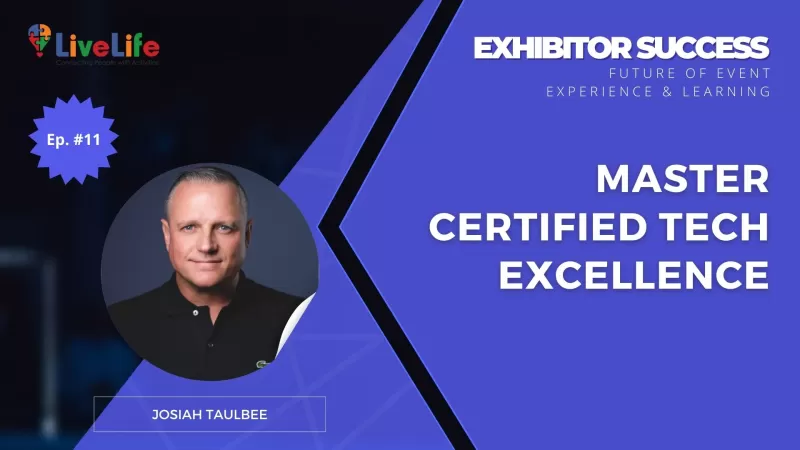
Event technology certification — The missing stamp of trust in event tech. In the fast-moving world of event innovation, one question is quietly reshaping boardroom discussions: How do we validate technology in an industry that evolves daily?
This is the summary based on The FEEL Podcast with Josiah Taulbee.
The answer, emerging from industry thought leaders, points to a concept long overdue—event technology certification.
From smart registration systems to AI-driven matchmaking, event technology has become the invisible backbone of exhibitions and conferences. Yet amid this surge, one challenge remains: trust.
Organizers and buyers often struggle to determine which solutions are truly reliable, scalable, and aligned with global standards.
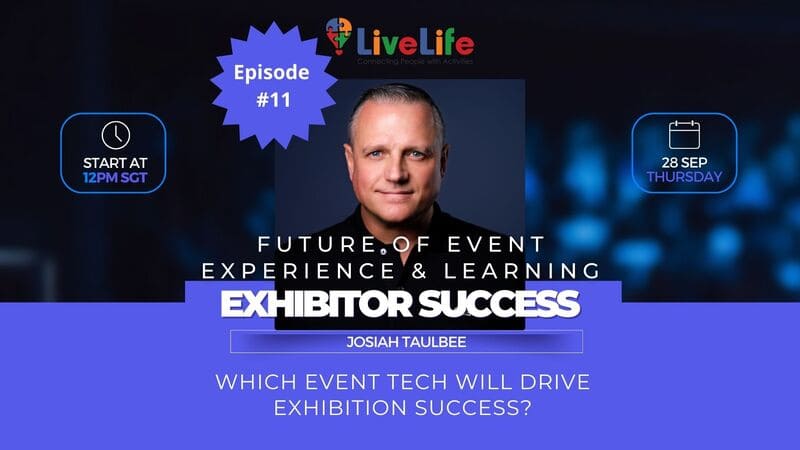
And that's where the conversation with Josiah Taulbee in The FEEL #11: Which Event Tech Will Drive Exhibition Success? (podcast) opens an entirely new perspective.
The Path Toward Event Technology Certification
Event technology certification isn't just another badge—it's a framework for clarity.
As the podcast discusses, this vision is part of a larger movement led by the Certified EventTech Classification Initiative (CECI), aiming to bring order to a fragmented ecosystem.
At its core, certification begins with definition. Before anyone can certify, the industry must agree on what each solution is.
Is it hardware or software? A managed service or self-service platform? Until these foundations are clear, standardization is nearly impossible.
But here's the part most people miss…
Certification isn't just about labeling tools—it's about understanding value creation.
Once event technologies can be classified and compared under a unified taxonomy, the industry can finally identify what truly drives attendee engagement and operational efficiency.
Why the Industry Needs This Transformation
1. A Common Language Between Vendors and Organizers
Imagine an ecosystem where every vendor, buyer, and organizer speaks the same technical language.
Event technology certification will do just that—turning vague marketing claims into verified capabilities.
This common language is more than convenient; it's essential. Without it, decision-making remains subjective, and opportunities for collaboration are lost in translation.
2. Trust as the New Currency
Trust is the most valuable asset in B2B relationships. Certification can provide that trust through verified data, ensuring that what's promised is actually delivered.
As the podcast highlights, early-stage validation might start simple—perhaps basic data checks or performance reviews.
But as the system matures, these validations could evolve into a globally recognized certification standard that shapes buying decisions.
3. Enabling Data-Driven Decisions
The move toward certification also supports the shift toward data intelligence. By classifying technologies at a micro level, event professionals can analyze performance trends, identify category gaps, and make strategic choices backed by evidence.
The Roadblocks Few Talk About
But it's not all smooth sailing. The road to event technology certification faces three critical hurdles:
- Fragmentation – The event tech space spans multiple verticals, from corporate conferences to sports and entertainment. Creating a single taxonomy that fits all is a monumental task.
- Lack of Shared Data – Vendors often guard their data, making validation difficult. Certification requires collaboration, transparency, and a shift in mindset.
- Evolving Technology – The pace of innovation means any certification framework must adapt rapidly or risk becoming obsolete.
There's one strategy rarely discussed, though… The solution might not lie in controlling innovation but in co-creating frameworks with the very vendors who build these tools.
That's the approach CECI is pursuing—bringing vendors, buyers, and organizers together to shape the foundation of trust collaboratively.
What the Future Could Look Like
The vision for event technology certification isn't just theoretical. It's a future where:
- Buyers confidently choose solutions backed by verifiable standards.
- Vendors gain credibility through recognized validation.
- Industry-wide benchmarks guide sustainable innovation.
As Josiah in The FEEL #11 podcast explain, the first step toward this reality is building the taxonomy and registry—the shared "source of truth" that can later evolve into a certification layer.
Over time, this registry could become a living database where solutions are classified, reviewed, and refined through collective insight.
The long-term vision? A world where event professionals no longer rely on buzzwords but on certified, trusted data.
The Industry's Next Leap
The conversation around event technology certification isn't about creating bureaucracy—it's about building confidence in innovation.
For too long, event professionals have operated without a unified standard, relying on fragmented insights and vendor promises.
Now, that's changing. Certification represents the industry's next big leap—a bridge between creativity and credibility.
But here's the real teaser: the process of certification might reveal deeper truths about how the event tech ecosystem truly works.
And that's exactly what's being uncovered inside The FEEL #11: Which Event Tech Will Drive Exhibition Success?
Watch the conversation on The Feel Podcast.
Need personalized guidance on event technology certification?
Follow Mike Gunawan on Linkedin

FAQs About Event Technology Certification
Q1: What is event technology certification?It's a formal validation process designed to verify the credibility, performance, and functionality of technologies used in events, exhibitions, and conferences.
Q2: Why is it important for event organizers?It helps organizers identify trustworthy solutions, reduce risk, and ensure technology investments deliver measurable results.
Q3: How is it different from standard compliance?Certification focuses on the practical reliability of event technologies, while compliance often deals with legal or technical regulations.
Q4: Who oversees event technology certification?Initiatives like CECI (Certified EventTech Classification Initiative) are leading efforts to develop shared frameworks and validation systems.
Q5: When will certification become an industry standard?The process is ongoing. As more vendors participate in the classification registry, certification will naturally evolve into a recognized benchmark.
Main Article
Related Articles
Banner

Write a comment