
Why Event Technology Classification Matters More Than Ever
Event technology classification — The chaos behind event tech: Why it's so hard to choose the right tools? If you've ever tried to compare event technology platforms, you probably know the frustration.
This is the summary based on The FEEL Podcast with Josiah Taulbee.
Two tools sound identical but deliver totally different outcomes. Or worse — one platform claims to "do it all," leaving organizers more confused than before.
This confusion isn't random. It's the result of a deeper issue the industry has long ignored — the absence of a clear event technology classification system.
But here's the part most people miss: this problem doesn't just waste time and money — it quietly limits innovation, collaboration, and trust across the entire event ecosystem.
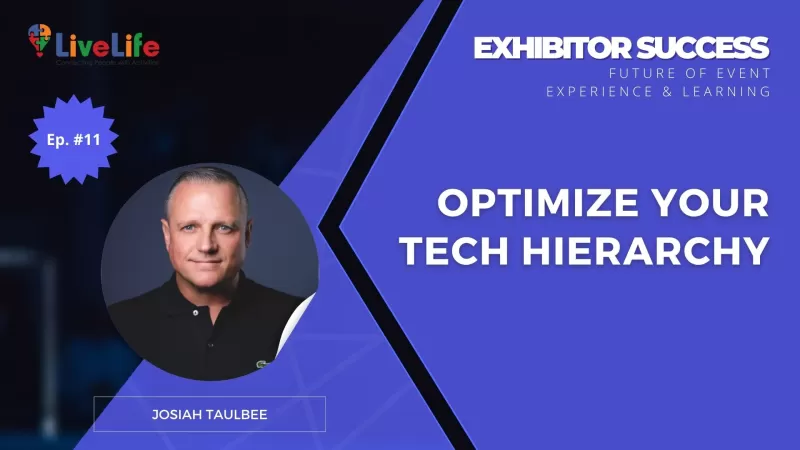
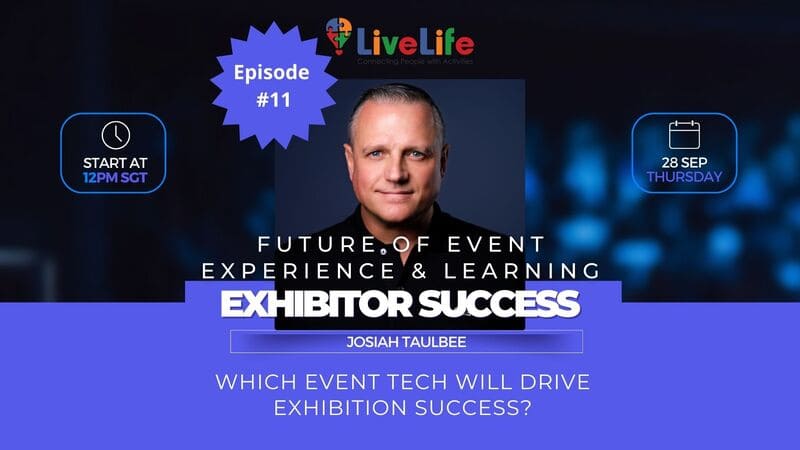
That's exactly what inspired The Certified EventTech Classification Initiative (CECI) by Josiah Taulbee, as discussed in The FEEL #11: Which Event Tech will Drive Exhibition Success?. And it's reshaping how professionals think about the future of event technology.
The Hidden Problem No One Talks About
Imagine walking into a trade show where every exhibitor uses a different language to describe the same product category. "Engagement platform," "interaction tool," "attendee activation system" — all might refer to the same type of technology.
That's what's happening in the event tech world right now. Without a unified event technology classification, vendors, buyers, and organizers are constantly misaligned.
As Josiah from CECI shared in the podcast, after analyzing over 1,700 terms across 450+ companies, it became clear that the chaos was real. Even experienced professionals couldn't categorize tools consistently without lengthy demos or one-on-one explanations.
So why does this matter? Because when we can't classify, we can't compare. And when we can't compare, we can't make confident decisions.
The Vision Behind Event Technology Classification
At its core, event technology classification isn't about bureaucracy — it's about building a shared language.
It helps everyone in the ecosystem — from trade show organizers to exhibitors, associations, and tech vendors — understand what each solution actually does and where it fits.
This structure brings three powerful benefits:
- Clarity for Buyers and Organizers
Decision-makers can quickly identify which tools match their goals — whether that's engagement, analytics, registration, or hybrid delivery. - Transparency for Vendors
Tech providers can position their products more accurately and stand out based on function rather than just marketing buzzwords. - Acceleration for Innovation
Once categories are clearly defined, companies can focus on improving their strengths instead of trying to be everything to everyone.
But here's the kicker: most people think classification is just about naming categories. In reality, it's about standardizing outcomes — aligning what success means across different tools.
How the Certified EventTech Classification Initiative (CECI) Works
CECI was born from frustration — but built with precision. It's designed to bring order to the chaos by establishing a clear taxonomy for event technologies.
The initiative assesses platforms based on real use cases, functionalities, and measurable outcomes, not just marketing claims.
Here's how CECI is different:
- Comprehensive Database: Over 1,000 companies analyzed and organized.
- Functional Clarity: 1,700+ terms normalized into clear, meaningful categories.
- Global Relevance: Built for cross-market understanding, from Asia-Pacific to Europe and the U.S.
And there's one strategy rarely discussed: this classification isn't just internal. It's meant to be collaborative — inviting organizers, associations, and tech providers to co-create a transparent framework that benefits everyone.
Why the Industry Needs It Now
Events are evolving faster than ever — hybrid formats, immersive experiences, data-driven personalization. Yet without a consistent event technology classification, the entire industry risks fragmentation.
Think about it: if every innovation adds more terms, more confusion follows.
Standardization isn't about restricting creativity. It's about giving innovation a stable foundation — so new ideas can be recognized, adopted, and scaled globally.
As highlighted in The FEEL #11, when everyone speaks the same language, collaboration becomes easier, buyers make smarter decisions, and event success becomes measurable.
What Most People Miss About Classification
Most professionals see classification as an administrative effort. But the truth? It's strategic.
The way we define and categorize technology shapes how we value it. Without classification, you're not just dealing with confusion — you're facing inefficiency, miscommunication, and missed opportunities.
And that's why the event technology classification movement isn't optional anymore. It's the next evolution of the event industry.
The Future Starts with Shared Understanding
The events industry has never lacked innovation — it's lacked structure. Event technology classification gives that missing clarity, creating a common language that connects creators, vendors, and organizers worldwide.
But here's what most people don't realize: this is just the beginning. The next phase of standardization could redefine how we measure engagement and success across every trade show and virtual event.
Want to know how it's evolving — and what comes next?
Watch the conversation on The Feel Podcast.
Need personalized guidance on event technology classification?
Follow Mike Gunawan on Linkedin

FAQs About Event Technology Classification
Q1: What is event technology classification?It's a structured system for categorizing event tech solutions based on their functions, outcomes, and use cases — helping the industry communicate consistently.
Q2: Why is classification important for event organizers?It simplifies vendor comparison, reduces confusion, and ensures organizers choose the right solutions for their goals.
Q3: How does classification benefit technology vendors?It helps vendors position their offerings clearly, stand out in crowded markets, and gain credibility through standardization.
Q4: Who started the Certified EventTech Classification Initiative (CECI)?CECI was founded by Josiah Taulbee, driven by his experience assessing over 1,700 event tech terms and realizing the need for global standardization.
Q5: How can I get involved or learn more about CECI?You can explore deeper insights, join discussions, and hear from the expert: Josiah Taulbee in The FEEL #11 podcast.
Main Article
Related Articles
Banner

Write a comment