
The Power of an Effective Event Data Strategy
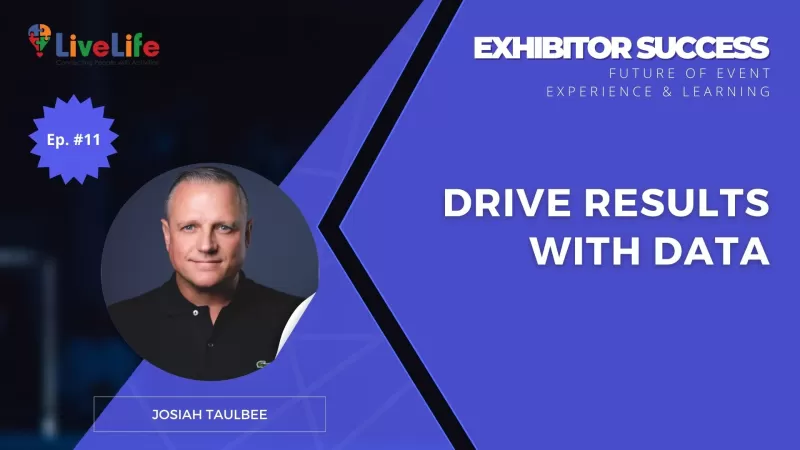
Event data strategy — The hidden struggle behind every event's data. Most event organizers believe they're already "data-driven."
This is the summary based on The FEEL Podcast with Josiah Taulbee.
After all, they collect attendee registrations, lead scans, surveys, and digital engagement metrics. But here's the uncomfortable truth—data without strategy is just noise.
If your event tech stack generates tons of disconnected reports but no real insight, you're not alone. Many professionals gather too much data—yet lack a clear event data strategy to connect it all and make sense of it.
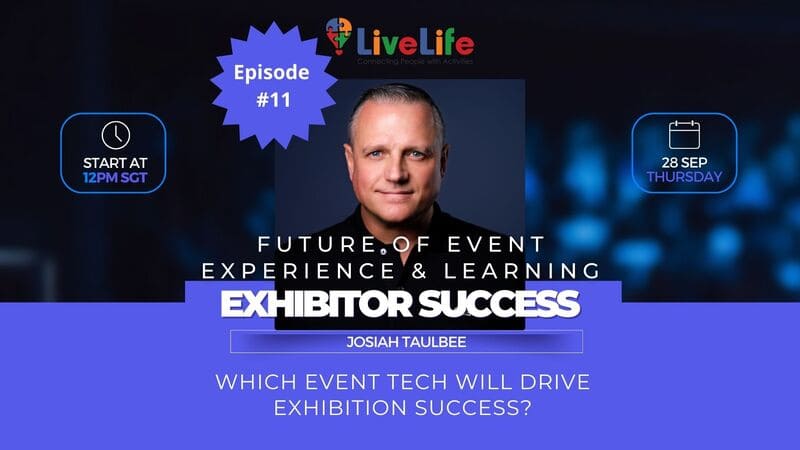
This article explores what it takes to create a meaningful event data strategy, inspired by real insights shared by Josiah Taulbee in The FEEL #11: Which Event Tech will Drive Exhibition Success? (podcast).
Why Event Data Strategy Matters More Than Ever
The Overload Problem: Too Much Data, Too Little Direction
Every modern exhibition produces data from multiple touchpoints—ticketing platforms, mobile apps, RFID scanners, and post-event analytics. But as Josiah from The FEEL #11 podcast notes, "Even large organizations with ample resources still struggle to manage their data effectively."
The challenge isn't the lack of data—it's the fragmentation.
Without a structured event data strategy, you end up with isolated pools of information that don't connect to outcomes.
And that's where most organizers fall short.
From Collection to Connection
A solid event data strategy bridges this gap. It helps you:
- Define which data truly matters for your goals.
- Understand where your data lives across systems.
- Build a framework to standardize and unify multiple sources.
- Turn raw numbers into actionable insights that improve event experience.
But here's the part most people miss—it's not just about tools. It's about intentional design around what success looks like and what data supports that success.
Building the Foundation: How to Create an Event Data Strategy
Step 1: Start with the "Why"
Before deciding what to track, ask:
- What outcomes are we trying to achieve?
- What story should our data tell?
Your "why" defines your "what." Whether it's boosting exhibitor ROI, increasing attendee engagement, or improving year-over-year performance, clear objectives shape every data decision.
Step 2: Map the Data Journey
Think of data as a traveler moving across the event lifecycle:
- Pre-event – registration details, marketing engagement.
- In-event – booth visits, session attendance, live polls.
- Post-event – survey feedback, lead follow-ups, conversions.
Your strategy should outline where data originates, how it flows, and where it ends up.
As mentioned in the podcast, "It's not just about having a data conversation—it's about weaving that conversation throughout the entire event dialogue."
Step 3: Standardize and Integrate
With so many tech tools involved, standardization is key. Create unified data schemas, define consistent naming conventions, and ensure API interoperability.
There's one strategy rarely discussed—metadata alignment. By tagging your data consistently across systems, you make cross-platform analytics far smoother and more reliable.
Step 4: Focus on Data Actionability
Don't just measure what's easy—measure what's impactful.
For example:
- Instead of tracking "total app downloads," focus on "average session interactions per attendee."
- Instead of "number of booth scans," look at "conversion ratio of leads to meetings booked."
Every metric should answer the question: So what?
The Common Pitfalls in Event Data Strategy
1. Collecting Without a Purpose
Gathering everything just in case is a recipe for overload. A strategic filter ensures you collect only what matters.
2. Ignoring Data Governance
Who owns the data? Who manages access and privacy compliance? These questions are often left unanswered until it's too late.
3. Failing to Communicate Insights
Even if your data is accurate, it's useless if teams can't interpret it. Visualization and storytelling are essential parts of your event data strategy.
What Most People Don't Realize About Event Data
You don't need to reinvent the wheel. You need to align your data thinking with your business outcomes.
And while tools like CRM systems, event management software, and analytics dashboards can help, the real magic happens when strategy leads technology—not the other way around.
That's the difference between organizations that track performance and those that improve it.
The Missing Piece You Can't Ignore
Every event professional wants better results. But few realize that the difference between "good" and "great" events lies in how data is collected, managed, interpreted, and acted upon.
A well-built event data strategy doesn't just improve events—it transforms how you make decisions.
But if you're wondering how to make it work in your own ecosystem, there's one discussion you can't miss.
Want to dive deeper with real case studies and expert insights?
???????Watch the conversation on The Feel Podcast.
Need personalized guidance on event data strategy?
Follow Mike Gunawan on Linkedin

FAQ: Event Data Strategy
Q1: What is an event data strategy?It's a structured plan for collecting, managing, analyzing, and applying event data to achieve specific business goals.
Q2: Why is event data strategy important for exhibitions?Because exhibitions generate massive data across attendee journeys. Without strategy, insights are lost in silos.
Q3: How can I create an effective event data strategy?Start by defining your goals, mapping data sources, integrating systems, and setting clear data governance policies.
Q4: What tools are needed for event data management?Common tools include event management platforms, CRM systems, data warehouses, and visualization dashboards.
Q5: How do I measure success in event data strategy?By evaluating whether your data-driven insights lead to measurable improvements—like attendee engagement, lead conversion, or ROI growth.
Main Article
Related Articles
Banner
Write a comment