
Applying Behavioral Science to Improve Event Success Skills

- Shift from Logistics to Psychology: Maximize B2B exhibition ROI by focusing on how attendees process information and make subconscious decisions in high-pressure environments.
- Minimize Cognitive Load: Reduce visitor decision fatigue by using intuitive spatial design, clear signage, and simplified layouts that make value propositions easy to digest.
- Leverage the "Five North Stars" of Strategy: Apply behavioral triggers—Social Proof, Choice Architecture, the Peak-End Rule, Reciprocity, and Anchoring—to guide the buyer’s journey effectively.
- Prioritize Behavioral KPIs: Move beyond high-volume badge scans to measure success through engagement depth and the quality of lead conversions.
- Human-Centric Design & Pattern Disruption: Use unconventional design to break attendee "autopilot" modes and align booth navigation with natural human movement patterns.
- Future-Proofing for 2026: Establish psychological mastery as a non-negotiable marketing skill to transform static exhibition costs into dynamic, data-driven sales engines.
- Strategic Psychological Audits: Identify and eliminate friction points in the visitor journey to ensure booth environments facilitate seamless transitions from curiosity to qualified leads.
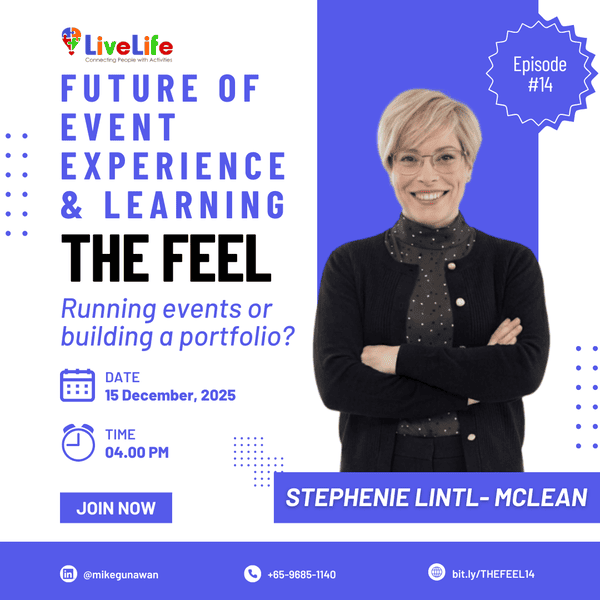
This is the summary based on The FEEL Podcast with Victoria Matey.
Many B2B organizations struggle with stagnant exhibition ROI because they treat booth presence
as a physical logistics exercise rather than a psychological one.
To bridge the gap between mere attendance and high-value lead generation, marketing leaders
must shift focus to how minds process engagement in high-pressure environments.
Applying behavioral science to improve event success involves analyzing attendee decision-making
and reducing the cognitive load of prospective buyers on the trade show floor.
By leveraging psychological triggers, brands move beyond passive participation toward intentional,
data-driven outcomes that secure long-term sales pipeline growth.
This strategic shift transforms your booth into a powerful engine for conversion.
The "Mind-First" Framework
Before a prospect speaks to your team, their brain has already decided whether or not to engage.
Successful exhibition strategies leverage the psychology of engagement to influence this subconscious choice.
- Visual cues that trigger immediate curiosity
- Spatial design that invites natural movement
By aligning booth visuals with innate human patterns, you bypass the initial skepticism of busy attendees.
Reducing Cognitive Load
Trade show floors are chaotic environments that overwhelm the senses and drain mental energy.
Applying behavioral science to improve event success requires minimizing the effort needed to understand your value.
Clear signage and intuitive layouts prevent decision fatigue, ensuring your brand message is actually retained.
Harnessing Emotional Triggers
Logic justifies a purchase, but emotion drives the physical step into your dedicated booth space.
When prospects feel understood rather than sold to, they are more likely to share high-quality data.
These emotional cues bridge the gap between a casual walk-by and a qualified lead conversion.
Mastering these mental shortcuts transforms your exhibition from a passive display into a high-performance sales engine.
The Montreal Case Study: Disrupting Patterns
The Montreal case study reveals how unconventional design, such as reimagining restroom experiences, shatters the "autopilot" mode.
By disrupting standard behavioral patterns, brands can significantly increase recall and curiosity among high-value prospects.
Human-Centric Design and Prospect Prediction
Effective environments move beyond aesthetics to align with natural human movement and subconscious navigation.
Applying behavioral science to improve event success allows you to anticipate where visitors will pause and interact.
When your booth mirrors natural behavior, you create a seamless transition from curiosity to meaningful conversation.
Strategic Alignment and Behavioral KPIs
Exhibitions should be treated as vital touchpoints within a long-term B2B sales cycle, not as isolated events.
True success is measured through behavioral KPIs, prioritizing engagement depth over the quantity of badge scans.
This shift ensures your presence generates qualified leads rather than just high-volume, low-intent traffic.
Understanding these psychological drivers is the first step toward reclaiming your exhibition ROI.
The 2026 Skillset: Why Behavioral Science is Non-Negotiable
By 2026, the gap between successful trade shows and expensive failures will be defined by psychological mastery.
Marketing leaders are moving beyond logistics to prioritize how cognitive biases influence attendee decision-making.
Aspiring strategists leverage the MPI Academy and Event Psychology Club to validate their expertise in human behavior.
By mastering psychological triggers, CMOs can predict engagement levels and optimize the buyer’s journey before the show starts.
This knowledge allows managers to move from "order takers" to strategic consultants who drive real ROI within their organizations.
Key Takeaways for B2B Success
Applying behavioral science to improve event success requires a shift from "booth presence" to "strategic alignment."
The Five North Stars of Strategy
- Social Proof: Highlighting partnerships to build trust instantly.
- Choice Architecture: Simplifying booth layouts to prevent decision fatigue.
- The Peak-End Rule: Creating high-impact final impressions for attendees.
- Reciprocity: Providing value-first insights to encourage lead conversion.
- Anchoring: Setting clear expectations to guide the buyer’s journey effectively.
Stay ahead by integrating community insights and behavioral research into your pre-show planning process.
Understanding these triggers transforms your exhibition from a static cost into a dynamic lead-generation engine.
Beyond the Booth: Auditing Your Event for Psychological Gaps
Success at trade shows is rarely about the size of your display or the brightness of your lighting.
It is rooted in how effectively you guide the decision-making process of your prospects during high-stress environments.
Many B2B leaders in Asia struggle with ROI because they overlook the cognitive load placed on attendees.
To win in 2026, you must pivot toward applying behavioral science to improve event success by auditing your current systems.
Consider whether your booth layout reduces friction or if your messaging aligns with the specific conversion triggers of your persona.
- Identify psychological barriers that prevent immediate lead capture.
- Optimize choice architecture to simplify the visitor journey.
- Align pre-show visibility with established mental models.
A structured approach to how your audience thinks and acts turns a passive visitor into a qualified lead.
Primary CTA: Book Free Consultation to audit your event psychology strategy.
Secondary CTA: Complete our DIY Assessment to measure your exhibition's behavioral readiness.
Understanding these psychological nuances is the first step toward a measurable and repeatable exhibition outcome.

Frequently Asked Questions
Q1: How does applying behavioral science improve B2B exhibition ROI?Applying behavioral science improves ROI by shifting the focus from physical logistics to the psychological drivers of attendee decision-making. By reducing cognitive load and utilizing psychological triggers, brands can influence the subconscious choices of prospects, transforming a passive booth into a high-performance engine for qualified lead generation and long-term sales growth.
Q2: What is the impact of cognitive load on trade show attendees?Trade show floors are high-pressure, chaotic environments that quickly overwhelm the senses and drain mental energy. High cognitive load leads to decision fatigue, causing attendees to bypass complex displays; however, by using clear signage and intuitive layouts, exhibitors can minimize mental friction and ensure their brand message is easily understood and retained.
Q3: How can brands disrupt the "autopilot" mode of busy prospects?As highlighted in the Montreal case study, brands can disrupt behavioral patterns by using unconventional design and "pattern interrupts" that shatter the autopilot mode of attendees. This strategic disruption triggers curiosity and significantly increases brand recall among high-value prospects who are otherwise desensitized to standard exhibition setups.
Q4: What are the "Five North Stars" of a behaviorally optimized exhibition strategy?The Five North Stars include Social Proof (leveraging partnerships to build trust), Choice Architecture (simplifying layouts to prevent fatigue), the Peak-End Rule (creating high-impact final impressions), Reciprocity (providing value-first insights), and Anchoring (setting clear expectations to guide the buyer’s journey).
Q5: Why should marketing leaders prioritize behavioral KPIs over badge scans?Traditional metrics like badge scans often capture high-volume, low-intent traffic that fails to convert. Behavioral KPIs prioritize engagement depth and the quality of interactions, ensuring that the exhibition functions as a vital touchpoint within the B2B sales cycle rather than an isolated event with no measurable pipeline impact.
Q6: What is the "Mind-First" framework in booth design?The "Mind-First" framework recognizes that a prospect’s brain decides whether to engage before a single word is spoken. This strategy uses visual cues to trigger immediate curiosity and spatial designs that mirror natural human movement, allowing exhibitors to bypass initial skepticism and move prospects seamlessly from curiosity to conversation.

Banner
Write a comment