
Effective Strategies For Grabbing Attention At Trade Shows

- Prioritize Qualified Intent Over Foot Traffic: Shift focus from superficial booth volume to strategic lead qualification to ensure sustainable ROI and revenue growth.
- Bridge the Gap Between Visibility and Conversion: Move beyond visual "hooks" by establishing immediate relevancy for specific B2B personas through insight-driven objectives.
- Leverage Emotional and Sensory Engagement: Utilize emotional resonance and multi-sensory triggers (tactile and auditory) to increase dwell time and brand recall in high-traffic environments.
- Execute Pre-Show Visibility Strategies: Transform the booth into a destination for high-intent prospects by engaging target personas before the exhibition doors open.
- Align Presence with the Sales Lifecycle: Treat trade shows as critical touchpoints in a longer buyer journey, utilizing seamless lead scoring and digital integration for effective sales handoffs.
- Measure Success Through Strategic KPIs: Evaluate exhibition performance based on lead qualification depth and intent rather than passive metrics like total badge scans.
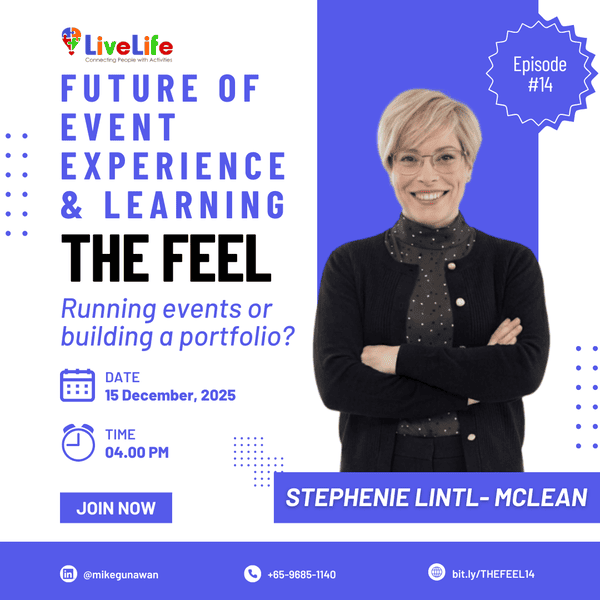
This is the summary based on The FEEL Podcast with Victoria Matey.
Many B2B exhibitors mistakenly equate a crowded booth with a successful event.
True ROI requires more than just foot traffic; it demands a strategic bridge between visibility and conversion.
To implement effective strategies for grabbing attention at trade shows, leaders must look beyond the spectacle.
Success lies in aligning booth engagement with the broader sales lifecycle to capture qualified intent.
Without this structure, fleeting moments of interest fail to translate into sustainable revenue growth.
Understanding this distinction is the first step toward transforming your exhibition presence into a lead generation engine.
Beyond the Visual Hook: Why Attention Needs Strategy
In the high-traffic environment of Asian exhibitions, many B2B brands mistake visual noise for meaningful engagement.
While bright lights and bold displays are effective strategies for grabbing attention at trade shows, they are merely the doorway to a deeper interaction.
True success depends on how quickly you pivot from a visual "hook" to establishing immediate relevancy for your specific B2B persona.
Without a structured plan to manage the attention lifecycle, high foot traffic often results in a high bounce rate at your booth threshold.
The goal is not just to be seen, but to be recognized as a solution provider that understands the unique pain points of your industry.
This requires moving beyond surface-level visibility to focus on lead qualification and strategic alignment during the initial encounter.
Managing this transition effectively ensures that potential leads don't exit as quickly as they entered your space.
Understanding how to anchor this initial curiosity into a lasting business connection is the first step toward measurable ROI.
Beyond the Booth: Emotional Hooks for High-Impact Engagement
In a crowded exhibition hall, logic often takes a backseat to emotional resonance.
Using emotional hooks for better audience engagement ensures that your brand connects on a human level before the technical pitch begins.
Effective strategies for grabbing attention at trade shows focus on how a prospect feels, rather than just what they see on a graphic panel.
Sensory Engagement Techniques for Marketing Displays
Incorporating multi-sensory elements is essential to increase dwell time and psychological impact.
Utilizing tactile and auditory triggers makes the brand experience more tangible and less passive for busy decision-makers.
- Tactile: Hands-on demos that require physical interaction.
- Auditory: Curated soundscapes that mask the ambient noise of the hall.
How to Increase Brand Recall After Events
Creating "sticky" moments ensures your brand stays relevant throughout the longer B2B sales cycle.
Ensuring the transition from the initial interaction to the next step is effortless is the key to conversion.
This strategic alignment transforms a fleeting visit into a qualified lead ready for deeper consultation.
Transforming Foot Traffic into Strategic Opportunities
Many B2B exhibitors mistake high foot traffic for actual success.
True impact requires effective strategies for grabbing attention at trade shows by aligning your presence with a specific buyer journey.
Instead of passive observation, your booth must function as a high-intent touchpoint that bridges the gap between curiosity and qualified investigation.
Success starts with pre-show visibility to ensure your target personas already have you on their list before the doors open.
Once onsite, the focus shifts to reducing the "climb" for prospects, making it effortless for them to engage with your core value proposition.
This involves simplifying the path to the next touchpoint through seamless lead scoring and immediate digital integration.
By treating the exhibition as a critical node in a longer sales cycle, you ensure that every interaction serves a measurable purpose.
Effective engagement is less about flashy displays and more about demonstrating a deep understanding of your visitor's specific pain points.
To turn these brief encounters into lasting partnerships, you must first master the art of qualifying intent in real-time.
Transforming Booth Presence into Strategic Engagement
Presence alone is no longer enough to win in the competitive Asian exhibition landscape.
Success requires moving beyond aesthetic appeal to focus on strategic alignment and intent.
Effective strategies for grabbing attention at trade shows start long before the doors open.
It begins with defining a specific target persona and an insight-driven objective.
Instead of casting a wide net, prioritize high-intent traffic through pre-show visibility.
This ensures your booth becomes a destination rather than a random stop for passersby.
Engagement should be measured by lead qualification depth, not just badge scans.
A structured system for data capture prevents ROI loss during the hectic show hours.
Trade shows are a vital chapter in a longer sales cycle, requiring a seamless sales handoff.
Aligning your team on KPIs ensures every interaction serves a measurable business goal.
Is your current approach designed to convert or merely to exist?
Book a Free Consultation to audit your current booth engagement strategy.
Complete our DIY Assessment to measure your exhibition's potential ROI.
Understanding these foundational gaps is the first step toward a high-performing exhibition presence.

Frequently Asked Questions
Q1: Why is high foot traffic often a misleading metric for B2B trade show success?Many exhibitors mistakenly equate a crowded booth with success, but true ROI requires more than just visibility. Without a strategic bridge between foot traffic and lead conversion, fleeting moments of interest fail to translate into sustainable revenue. Success should be measured by the depth of lead qualification and how well the engagement aligns with the broader sales lifecycle to capture genuine intent.
Q2: What are the most effective strategies for grabbing attention at trade shows beyond visual aesthetics?While bright lights and bold displays serve as the initial "hook," effective strategies must quickly pivot to establishing relevancy for specific B2B personas. This involves using emotional hooks to connect on a human level and incorporating multi-sensory elements—such as tactile hands-on demos and curated auditory soundscapes—to increase dwell time and psychological impact for busy decision-makers.
Q3: How can B2B brands ensure their exhibition presence leads to long-term brand recall?Creating "sticky" moments is essential for staying relevant throughout the long B2B sales cycle. To increase brand recall, exhibitors must ensure the transition from the initial booth interaction to the next stage of the funnel is effortless. By treating the exhibition as a critical node in a larger journey, you transform a brief encounter into a lasting business connection.
Q4: How do you transform passive booth visitors into high-intent strategic opportunities?Transformation starts by shifting the focus from passive observation to active qualification. This involves simplifying the path to the next touchpoint through seamless lead scoring and immediate digital integration. Instead of casting a wide net, brands should prioritize high-intent traffic by demonstrating a deep understanding of the visitor's specific industry pain points in real-time.
Q5: What role does pre-show visibility play in a successful exhibition strategy?Strategic alignment begins long before the event doors open. Pre-show visibility ensures that your target personas already have your brand on their "must-visit" list, turning your booth into a destination rather than a random stop. This proactive approach allows your team to focus on high-value interactions and reduces the "climb" for prospects to engage with your core value proposition.

Banner
Write a comment