
How to Follow Up With Non Responsive Invitees for Sales

- Reframe Silence: View non-responsiveness as a lack of bandwidth or urgency rather than a definitive "no," especially in the competitive Asian B2B landscape.
- Segmented Outreach: Deploy high-frequency, multi-touch sequences for cold leads to build visibility, while using a nuanced, value-driven approach for mid-stage prospects to preserve trust.
- Strategic Communication Rhythm: Maintain a steady pulse of 1–2 touchpoints per week, ramping up activity in the final 72 hours before the exhibition to capture last-minute planners.
- Multi-Channel Engagement: Prevent channel fatigue and increase reach by diversifying outreach across email, LinkedIn, and direct messaging.
- Value-First Follow-Ups: Replace generic "just checking in" messages with industry-specific data points, exclusive insights, or solution-based demo previews to create perceived urgency.
- ROI Protection: Treat strategic re-engagement as a critical pre-show visibility system that converts passive observers into qualified booth traffic and active sales journeys.
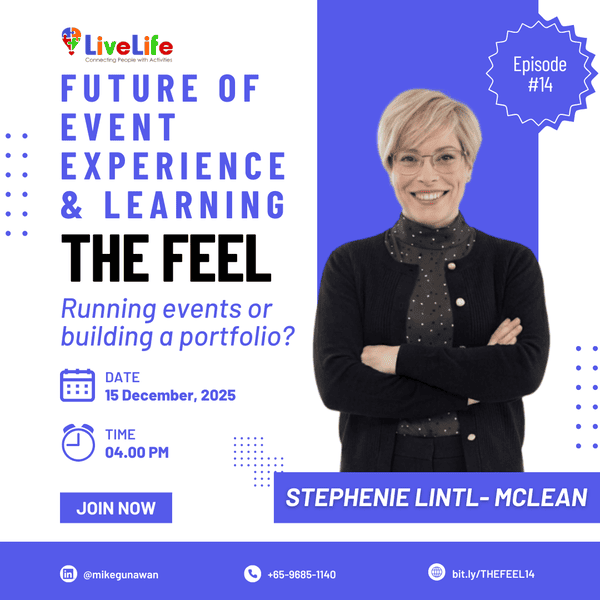
This is the summary based on The FEEL Podcast with Nicholas Eng & William Jones.
Generating high-quality booth traffic requires more than a single invitation; it demands a strategic persistence that respects the long-term B2B sales cycle.
Many marketing leaders struggle with silence from prospects, yet mastering how to follow up with non responsive invitees is the key to protecting your exhibition ROI.
By shifting from generic blasts to personalized lead nurturing, you can convert non-responses into meaningful onsite engagements and active sales journeys.
Understanding why these prospects remain silent is the first step toward refining your outreach strategy.
Strategic Re-engagement: Navigating the Silence After the Show
Silence from a prospect after an exhibition is rarely a definitive "no."
In the crowded Asian B2B landscape, your message is competing with hundreds of post-show emails.
Breaking the Noise with Cold Outbound Contacts
When dealing with cold leads, a higher outreach frequency is essential to establish visibility.
These contacts lack a prior relationship, making them more likely to overlook a single email.
A multi-touch sequence ensures your brand stays top-of-mind during their post-show decision phase.
Managing High-Value Mid-Stage Relationships
Prospects already in your active sales funnel require a more nuanced, high-value approach.
Avoid aggressive persistence; instead, offer specific insights or data relevant to their pain points.
Understanding how to follow up with non responsive invitees without damaging trust is key.
Focus on strategic alignment to move these warm leads toward a final conversion.
Effective re-engagement depends on segmenting your list by relationship depth and intent signals.
Mastering the Art of Pre-Show Visibility
Silence from your guest list does not always signal a lack of interest; often, it reflects a lack of mental bandwidth.
In the high-stakes environment of Asian trade shows, consistency is the foundation of effective pre-show visibility.
Your objective is to remain top-of-mind without crossing the threshold into becoming a digital nuisance.
Establishing a Strategic Communication Rhythm
Adopt a steady pulse of communication, reaching out once or twice a week to maintain brand awareness and relevance.
This cadence ensures your brand stays in their peripheral vision as they finalize their busy exhibition schedules.
As the event nears, ramp up activity levels during the final 72 hours to capture last-minute planners.
Focus on providing value, such as exclusive insights or a simplified meeting link, to reduce friction for the attendee.
Avoiding Fatigue Through Multi-Channel Engagement
Balance your outreach across email, LinkedIn, and direct messaging to prevent channel fatigue and increase your reach.
Knowing how to follow up with non responsive invitees requires a delicate mix of persistence and platform variety.
A multi-touch strategy ensures your message lands where your prospect is most active, increasing the odds of a conversion.
By diversifying your touchpoints, you build a cohesive narrative that leads naturally into the physical event interaction.
Re-engaging the Silent Prospect: Beyond the "Just Checking In" Email
Silence from your invitees is rarely a definitive rejection. In the high-stakes B2B landscape of Asia, it usually signals a lack of perceived urgency or a crowded inbox.
To master how to follow up with non responsive invitees, you must shift your perspective from chasing a lead to offering a high-value insight they cannot find elsewhere.
Effective engagement strategies rely on contextual relevance. Instead of repeating your initial request, share a brief industry-specific data point or a preview of a solution-based demo.
Strategic follow-up is not an isolated task; it is a critical component of your pre-show visibility system that ensures your booth remains a destination rather than a coincidence.
By integrating multi-channel outreach—combining personalized LinkedIn interactions with direct emails—you increase the probability of breaking through the noise before the exhibition doors open.
This systematic persistence transforms passive observers into qualified prospects ready for a deeper conversation on the trade show floor.
Understanding why these gaps in communication exist is the first step toward building a more resilient lead generation framework.

Frequently Asked Questions
Q1: Why do B2B prospects often remain silent after receiving an exhibition invitation?Silence typically signals a crowded inbox or a lack of mental bandwidth rather than a definitive rejection. In competitive environments like the Asian B2B landscape, prospects are often overwhelmed by high volumes of communication, making it essential to use strategic persistence to build pre-show visibility and break through the noise.
Q2: How can I effectively follow up with non-responsive invitees without being intrusive?The key is to shift from generic "checking in" emails to offering high-value, contextual insights. By sharing industry-specific data points or providing a preview of a solution-based demo, you transform the follow-up from a chore into a resource. Utilizing a multi-channel approach—mixing LinkedIn interactions with direct emails—also helps prevent channel fatigue.
Q3: What is the ideal communication rhythm for pre-show outreach?Maintain a steady pulse of communication by reaching out once or twice a week leading up to the event. This cadence keeps your brand in the prospect's peripheral vision without crossing into digital nuisance territory. During the final 72 hours before the exhibition, ramp up activity levels to capture the attention of last-minute planners.
Q4: How should follow-up strategies differ between cold leads and mid-stage prospects?Cold leads require a higher outreach frequency and multi-touch sequences to establish basic visibility and brand recognition. Mid-stage relationships, however, demand a more nuanced approach focused on strategic alignment. For these warmer leads, avoid aggressive persistence and instead provide specific data or insights that directly address their known pain points.
Q5: How does multi-channel engagement improve exhibition ROI?By diversifying touchpoints across email, LinkedIn, and direct messaging, you increase the probability of landing where your prospect is most active. This cohesive narrative reduces friction for the attendee and builds a foundation for the physical event, effectively converting non-responses into meaningful onsite engagements and active sales journeys.

Banner
Write a comment