
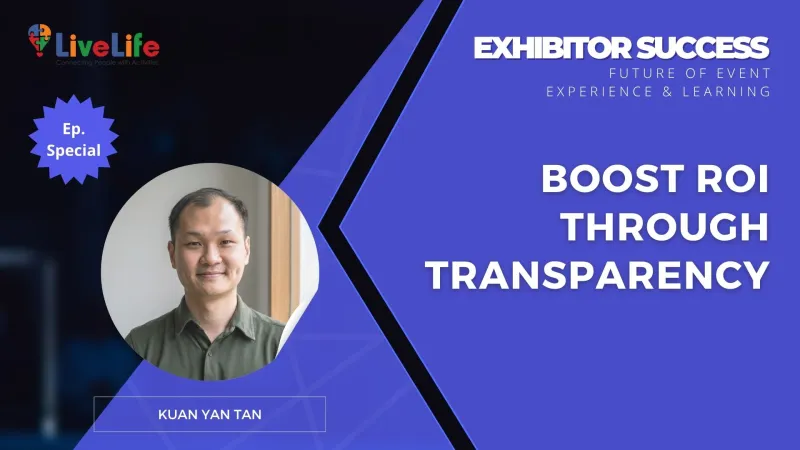
Improving Trade Show Exhibitor ROI Through Transparency
- Faster sales cycles result from focusing on high-intent buyers instead of chasing cold contacts.
- Higher conversion rates occur when product demos reach decision-makers who have the power to buy.
- Real-time booth improvements happen when visitor engagement data is visible while the show is active.
- Simple budget justification comes from data trails that link exhibition spend directly to revenue.
- Better booth placement comes from data that reveals the busiest zones on the show floor.
- Lower marketing costs happen when low-value leads are separated from high-priority prospects immediately.
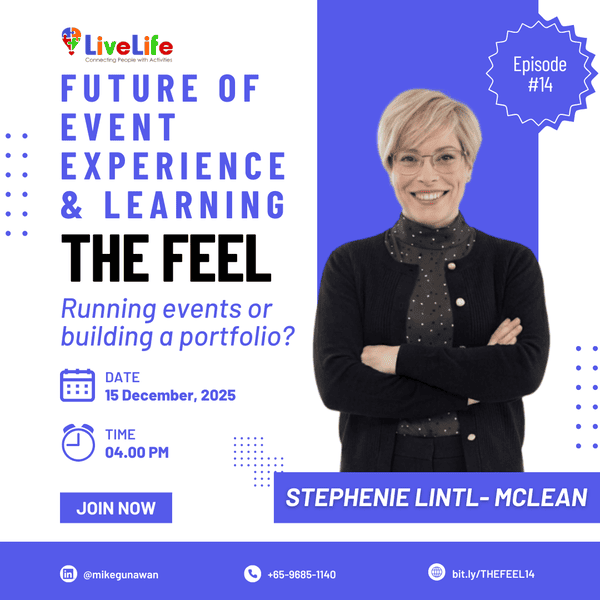
This is the summary based on The FEEL Podcast with Kuan Yan Tan.
To start improving trade show exhibitor ROI through transparency, you must first audit your current data access. Before committing to a floor plan, use this framework to verify what information the organizer actually provides.
- Request heat maps from previous years to identify high-traffic zones.
- Ask for a breakdown of attendee job functions, not just company names.
- Verify if lead retrieval systems allow for custom qualifying questions.
Establishing these trade show performance metrics early transforms your booth from a static display into a data-driven conversion engine.
The High Cost of Trusting Organizer Vanity Metrics
When you rely solely on the organizer's post-show report, you are often looking at a filtered version of reality that hides actual performance gaps.
A report stating "10,000 attendees" or "60% decision-makers" sounds impressive, but it masks a critical failure: the inability to see who actually engaged with your brand versus who simply walked the aisles.
The Disconnect Between Registration Lists and Booth Reality
Relying on broad registration segments creates a false sense of security for marketing heads. Just because a C-suite executive entered the building does not mean they entered your orbit.
- Invisible Traffic: You have no way of knowing if your target persona bypassed your booth entirely.
- Data Dilution: High-level stats often include students, competitors, and non-buyers, bloating your perceived reach.
- Contextual Blindness: A scanned badge without qualifying notes is just a name, not a business opportunity.
Why Unqualified Lead Volume Drains Your Marketing Budget
This lack of transparency leads to "lead dumping," where sales teams are handed a list of names with zero context. Without clear qualifying data, your team wastes weeks chasing cold contacts who have no intent to buy.
When you cannot distinguish between a "brochure collector" and a "high-intent buyer," your post-show follow-up becomes a generic, low-conversion exercise that kills your ROI before the first email is even sent.
Transforming Booth Presence into Measurable Business Intelligence
To stop the cycle of low-quality follow-ups, you must shift from passive attendance to data-driven participation. Transparency is the strategic bridge between a busy booth and a profitable one.
When you move beyond simple headcounts, you gain the ability to filter intent in real-time. This ensures your sales team spends their energy on high-value conversations rather than administrative cleanup.
Demand Historical Data for Audience Validation
Accessing specific data on company sizes and job titles from previous editions allows you to validate the audience match before you commit. This insight ensures your product demos resonate with people who actually have the authority to buy.
Request Transparency on Visitor Flow Patterns
Understanding where your target persona actually walks helps you position your team and technology effectively. This visibility ensures your booth location serves as a strategic touchpoint rather than a hidden corner, maximizing your organic reach.
Focus on Specific Decision-Maker Metrics
Knowing the ratio of decision-makers to influencers within your niche allows you to calibrate your lead scoring while still on the floor. High-intent transparency transforms the post-show "guessing game" into a prioritized, high-conversion sales pipeline.
Building Your On-Floor Lead Qualification Framework
Once you have the data transparency from the organizer, you need to apply it immediately to your booth interactions. This prevents your sales team from wasting time on low-value conversations and focuses energy on how to tell if a lead is worth following up.
Create a Three-Tier Scoring System
Use a simple framework to categorize every badge scan based on the person’s role and their specific pain point. This allows for instant prioritization while the show is still active.
- Tier 1 (High Priority): Decision-makers from target accounts with an active project or immediate timeline.
- Tier 2 (Nurture): Influencers or end-users who need the solution but lack final budget authority.
- Tier 3 (Low Priority): Students, competitors, or general browsers who do not fit your ideal customer profile.
Standardize Your Discovery Questions
To keep lead quality consistent across your entire team, use three non-negotiable questions during every scan:
- "What specific challenge brought you to our booth today?"
- "How are you currently managing [Problem X] in your workflow?"
- "Who else in your organization is involved in evaluating new solutions for this?"
How Transparency Turns Engagement Into Verifiable Results
While matchmaking systems provide the framework for interaction, transparency in data sharing is what actually secures your investment. It moves the conversation from vague "booth traffic" to specific, verifiable business outcomes.
This approach works by removing the information gap between the event organizer and the exhibitor. When you have a clear view of the attendee journey and engagement metrics, you can finally see exactly how to know if your trade show worked without waiting weeks for a report.
The Power of Shared Data Visibility
A transparent system ensures that every interaction is backed by data that both parties can trust. This creates a foundation for measuring success that isn't based on gut feelings or the number of business cards collected.
- Verified Intent: Transparency allows you to see the specific interests of the leads you meet, ensuring they align with your product offerings before the conversation even starts.
- Real-Time Adjustments: Access to live engagement data means you can pivot your strategy during the event rather than realizing a mistake after the doors have closed.
- Audit-Ready Metrics: Clear data trails make it simple to justify the exhibition spend to stakeholders and CEOs by showing a direct link between the event and the sales pipeline.
By shifting the focus toward open data, exhibitors gain the clarity needed to transform a high-cost event into a predictable, high-return sales channel.
Bridging the Gap With Real-Time Performance Transparency
Turning an exhibition into a predictable revenue driver requires moving away from post-event guesswork and toward real-time data transparency.
The solution lies in a collaborative data model where organizers provide verified attendee insights that align with your specific sales criteria.
When you have access to granular demographics and behavioral data before and during the show, you can pivot your strategy on the fly.
Verified Intent Over Foot Traffic Volume
Instead of counting total badges scanned, transparency allows you to focus on the quality of engagement and actual purchase intent.
- Data-Backed Qualification: Aligning organizer data with your internal CRM to identify high-value prospects the moment they step into your booth.
- Performance Benchmarking: Comparing your engagement rates against anonymized industry averages to see how your brand truly resonates.
This level of openness ensures that every dollar spent is mapped to a specific interaction, making it easier to see exactly where the value is created.
By prioritizing transparency, you eliminate the "black box" of event marketing and replace it with a clear view of your actual sales pipeline growth.
Building Your Framework for Transparent Lead Qualification
To move from abstract transparency to actual revenue, you need a system that removes guesswork from the booth floor. This ensures your sales team prioritizes prospects based on hard data rather than vague impressions.
Rank Leads Based on Persona Alignment
- Assign a value to each lead based on the specific personas you identified during your pre-event planning.
- Use a simple ranking system (A, B, C) that reflects how closely their current challenges match your core solution.
- Document the specific intent signal for every high-value lead to make the post-show transition to sales seamless.
Audit Your Performance Against Organizer Data
Transparency also means looking at the gap between who attended the show and who actually stood in your booth. This comparison is vital for measuring trade show success and refining your future approach.
- Request the official visitor demographics from the event organizer immediately after the show concludes.
- Map your actual scanned visitors against this list to identify high-value segments you might have missed.
- Use these insights to adjust your booth location or messaging strategy for the following year.
Turn Your Data Into A Repeatable Success Framework
Once you have identified the gaps between your scanned visitors and your target segments, you need a structured way to act on that transparency.
Follow these steps to ensure your next exhibition results in measurable business growth and a better lead follow-up strategy:
- Audit lead intent: Categorize every scan based on the specific problem they mentioned rather than just their job title.
- Analyze the conversion gap: Compare the number of high-value visitors against the number of actual discovery calls booked within 48 hours.
- Refine the pitch: Use the data on which booth zones attracted the most attention to update your messaging for next year.
Transparency in your data is the only way to move from "feeling" like a show was successful to "knowing" it was profitable.
If you are looking for more clarity on your exhibition performance, a structured audit can help you see exactly where your budget is working and where it is being wasted.

Frequently Asked Questions
Q1: How do I calculate trade show exhibitor ROI when organizers only provide total attendance numbers?Shift from vanity metrics to verifiable business intelligence by auditing your booth traffic against target personas. Track the conversion rate from scanned badges to discovery calls and actual sales pipeline value rather than relying on the organizer's filtered report of total attendees.
Q2: Why is relying on post-show registration lists a mistake for lead quality?Registration lists often include students, competitors, and non-buyers, creating a false sense of reach. Without real-time transparency, you cannot distinguish between a high-intent decision-maker who engaged with your brand and "invisible traffic" that bypassed your booth entirely.
Q3: What specific trade show performance metrics should I demand from organizers before booking a booth?Request heat maps from previous years to identify high-traffic zones and a granular breakdown of attendee job functions. Verify if their lead retrieval systems allow for custom qualifying questions to ensure you can filter intent during the event.
Q4: How can I tell if a trade show lead is actually worth a sales follow-up?Use a three-tier scoring system to categorize leads based on their role and specific pain points. A lead is only high-priority if they are a decision-maker from a target account with an active project, preventing your sales team from wasting weeks on "brochure collectors."
Q5: How can I bridge the gap between booth engagement and measuring trade show success?Audit your performance by mapping your scanned visitors against the official visitor demographics immediately after the show. This transparency allows you to identify high-value segments you missed and refine your booth location or messaging strategy for future events.

Banner
Write a comment