
Reducing Unintentional Barriers in Trade Show Booths

- Minimize cognitive overload by simplifying messaging and reducing visual clutter to prevent visitor fatigue and disengagement.
- Eliminate choice paralysis by curating a logical visitor journey with a single, clear primary call-to-action.
- Apply the "3-second rule" to ensure the value proposition is immediately clear, reducing uncertainty-triggered hesitation.
- Remove physical and sensory barriers, such as obstructive furniture and information overload, to create an accessible "sanctuary of relief."
- Lead with emotional hooks and problem-solving relevance rather than technical specifications to foster immediate commercial investigation.
- Align booth layout with specific target personas and the broader B2B sales cycle to transform static displays into high-performance conversion tools.
- Prioritize high-quality engagement metrics over simple badge scans to accurately measure ROI and lead qualification.
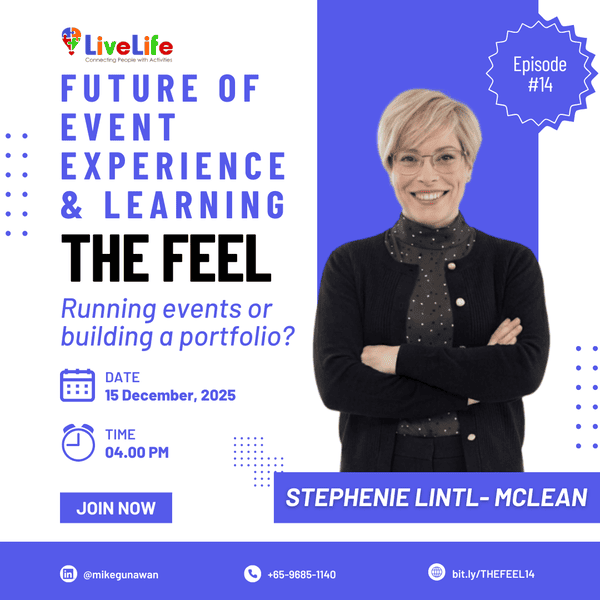
This is the summary based on The FEEL Podcast with Victoria Matey.
Many B2B exhibitors lose high-value prospects before a single word is exchanged.
This occurs due to invisible friction and cognitive overload within the visitor experience.
Failing to address these psychological hurdles often results in stagnant ROI and missed KPIs.
Strategic success starts by reducing unintentional barriers in trade show booths today.
By removing friction, your value proposition resonates instantly with qualified decision-makers.
Designing for Mental Clarity: Beyond the Physical Booth
Exhibition success is often sabotaged by what we call a "cognitive traffic jam."
When a booth is cluttered with competing messages, the brain experiences immediate fatigue.
This mental overload forces potential leads to disengage before they even speak to your team.
Overcoming Choice Paralysis in Exhibit Design
B2B visitors often face the Paradox of Choice when presented with too many options.
Simplifying your primary call-to-action is vital for reducing unintentional barriers in trade show booths.
Curate your physical assets and digital screens to guide a specific, logical visitor journey.
Much like a refined search experience, too many choices lead to delayed decision-making and lost momentum.
Eliminating Ambiguity to Prevent Visitor Hesitation
The "3-second rule" dictates whether a visitor pauses or skips your booth entirely.
If your value proposition isn't immediately clear, the brain defaults to uncertainty-triggered hesitation.
A refined trade show engagement strategy replaces this doubt with curiosity-driven engagement.
By removing these invisible friction points, you transform a passive display into a high-conversion environment.
This strategic clarity sets the foundation for more meaningful lead qualification and measurable ROI.
Optimizing Engagement by Reducing Unintentional Barriers in Trade Show Booths
Most engagement obstacles aren't deliberate; they are the result of trying to communicate too much at once.
Identifying these common booth design mistakes is the first step toward a high-performing exhibit that attracts qualified prospects.
The Friction of Information Overload
Piles of brochures and multiple screens playing different content simultaneously create a chaotic environment for the visitor.
This sensory clutter forces the brain to filter out your message rather than absorbing your core value proposition.
Bridging the Emotional Disconnect
Focusing on technical specifications before establishing a hook of relief or relevance creates a psychological wall between you and the lead.
To foster commercial investigation, lead with the problem you solve rather than the features of your product.
Eliminating Physical Deterrents
Poorly placed furniture or bulky counters can unintentionally signal a "do not enter" message to passing attendees.
When your layout acts as a physical barrier, it disrupts the natural entry of decision-makers into your conversation zone.
Identifying these friction points is the essential first step in reducing unintentional barriers in trade show booths for better ROI.
Once you have cleared the path for entry, the focus must shift to how your team handles the ensuing interaction.
Designing for the Human Experience
B2B engagement starts with an emotional reaction before a cognitive one.
To capture quality leads, your booth must trigger a response—like relief or curiosity—within seconds.
Creating a Sanctuary of Relief
Trade show floors are chaotic, sensory-heavy environments that naturally overwhelm visitors.
Reducing unintentional barriers in trade show booths starts with providing a visual and physical "pause."
Designing for this "Emotional Hook" allows visitors to lower their guard and engage with your message.
Alignment with the Strategic Sales Cycle
Your booth is a single, vital chapter in a much longer B2B sales narrative.
Strategic alignment ensures your space reflects its specific role in the broader buyer’s journey.
By focusing on precision and care, you turn a brief encounter into a qualified lead opportunity.
This psychological preparation paves the way for deeper technical discussions later in the funnel.
Strategic Alignment: Turning Booths into Conversion Engines
Many B2B exhibitors view their space as a branding exercise. This mindset creates invisible walls between your team and your prospects.
To maximize ROI, you must treat your presence as a conversion tool. This requires reducing unintentional barriers in trade show booths by focusing on visitor flow.
Success starts with defining specific target personas before the design phase. Ask what specific problem your visitor is trying to solve today.
Mapping the visitor lifecycle ensures every touchpoint, from visual cues to post-show follow-ups, serves a strategic purpose.
A structured system to track engagement metrics is vital. Don't rely on badge scans; measure the quality of the interaction instead.
Identifying these gaps early prevents the common pitfall of "showing" without actually "solving" for your audience.
Ready to audit your current exhibition strategy? Book a Free Consultation to identify hidden friction in your booth design.
Optimizing the Visitor Path: Eliminating Friction
Trade shows are high-stakes environments where every second of visitor attention is a valuable asset for your B2B growth.
Many SMEs inadvertently create friction through poor booth layout or overwhelming visual noise that discourages engagement.
Strategic success depends on reducing unintentional barriers in trade show booths to lower the cognitive load on prospects.
By minimizing these hurdles, you transform your exhibit from a static display into a high-performance lead generation engine.
Strategic Design for Lead Quality
- Clear sightlines that signal accessibility and invite exploration from a distance.
- Simplified messaging that prevents choice paralysis for time-pressed decision makers.
- Defined zones that facilitate seamless lead qualification and deeper sales conversations.
When you remove physical and psychological friction, you create a natural path for qualified leads to enter your funnel.
Ready to audit your current strategy? Book Free Consultation or Complete DIY Assessment to start.
A well-designed space is only effective when it aligns with a robust system for capturing and nurturing visitor data.

Frequently Asked Questions
Q1: What are unintentional barriers in trade show booths?Unintentional barriers are invisible friction points—such as sensory clutter, complex messaging, or poorly placed furniture—that discourage visitor engagement. By reducing unintentional barriers in trade show booths, exhibitors can lower the cognitive load on prospects and facilitate a smoother path to lead qualification and meaningful conversation.
Q2: How does choice paralysis impact B2B exhibit success?When presented with too many options or competing messages, the brain experiences immediate fatigue, known as the Paradox of Choice. Simplifying your primary call-to-action and curating your digital and physical assets helps guide visitors through a logical journey, preventing the "cognitive traffic jam" that forces potential leads to disengage before speaking to your team.
Q3: What is the "3-second rule" in trade show engagement?The 3-second rule determines whether a visitor pauses at your booth or continues walking. If your value proposition isn't immediately clear, the brain defaults to uncertainty-triggered hesitation. A refined trade show strategy replaces this doubt with an emotional hook, such as relief or curiosity, to capture attention and trigger a response within seconds.
Q4: How do physical layouts create psychological walls for visitors?Poorly placed furniture, such as bulky counters or restricted entry points, can unintentionally signal a "do not enter" message to passing attendees. When your layout acts as a physical barrier, it disrupts the natural flow of decision-makers. Creating clear sightlines and accessible "conversation zones" is essential for inviting exploration and exploration from a distance.
Q5: Why is reducing unintentional barriers in trade show booths vital for ROI?Many exhibitors lose high-value prospects due to invisible friction before a single word is exchanged. By minimizing cognitive load and physical hurdles, you transform your exhibit from a static branding exercise into a high-performance conversion engine. This strategic clarity ensures your value proposition resonates instantly with qualified leads, maximizing your measurable KPIs and post-show conversion rates.
Q6: How does information overload prevent lead qualification?Piles of brochures and multiple screens playing conflicting content create a chaotic environment that forces the brain to filter out your message rather than absorbing it. This sensory clutter creates a psychological wall between the exhibitor and the lead. To foster commercial investigation, exhibitors should lead with the problem they solve rather than technical specifications, allowing for deeper technical discussions later in the sales funnel.

Banner
Write a comment