
What Is Event Technology and Why It Is Redefining the Future of Exhibitions
What is event technology? — The confusion behind a simple question. If you ask ten people in the events industry "what is event technology?", you'll likely get ten very different answers. Some will say it's all about event apps and virtual platforms.
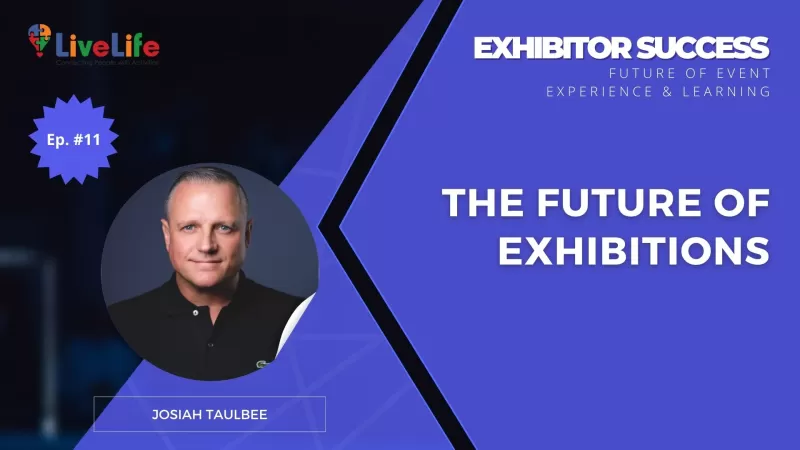
This is the summary based on The FEEL Podcast with Josiah Taulbee.
Others might point to LED screens, AI matchmaking, or onsite registration tools. And a few will argue it's about people — the service behind the system.
Here's the truth: there's no single, universal definition of event technology. And that's precisely what's holding the industry back.
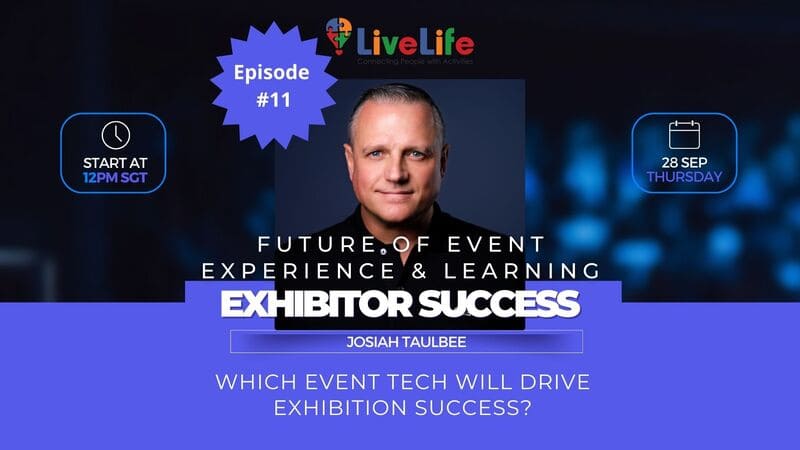
In The FEEL #11: Which Event Tech Will Drive Exhibition Success?, Josiah Taulbee, the great mind behind the Certified EventTech Classification Initiative (CECI), dives into this exact problem — and why getting clear on this question could unlock a new era of smarter, more connected events.
Why Defining Event Technology Matters
Before we dive into definitions, let's be honest: event professionals are overwhelmed.
With hundreds of tools promising engagement, analytics, and "seamless experiences," it's easy to lose track of what truly counts as event technology.
Without a shared understanding, organizers can't compare solutions effectively, and vendors struggle to communicate their real value.
But here's the part most people miss: without defining what event technology actually is, the industry can't measure success, build standards, or even innovate effectively.
That's why the question "what is event technology?" is far more important than it seems.
Breaking It Down: The Three Pillars of Event Technology
According to insights from The FEEL #11, Josiah breaks event technology into three core pillars — a framework that helps professionals finally make sense of this complex ecosystem.
1. Software: The Brain of the Operation
This is the part everyone recognizes. Software drives registration systems, mobile event apps, matchmaking platforms, and analytics dashboards.
It's what connects audiences, delivers data, and automates logistics.
But here's what's rarely discussed — software is only one-third of the equation. When we equate "event tech" solely with digital platforms, we overlook the very systems that make events tangible.
2. Hardware: The Hidden Backbone
When people think of hardware, they imagine laptops or printers. But hardware in event tech goes deeper.
Think kiosks for badge printing, scanners for lead retrieval, digital signage, or even acoustic structures that enhance sound environments.
In one example shared in the podcast, Josiah mentioned something as simple as an enclosed sound-optimized structure being considered event technology hardware. Why? Because it's a technological installation designed to enhance experience and data flow.
In other words, hardware quietly powers the magic behind the scenes — but rarely gets the credit it deserves.
3. Service: The Glue That Holds It Together
The third pillar is often overlooked but arguably the most human: service.
Event technology doesn't exist in isolation. Behind every platform or device, there's a service layer — teams that set up, integrate, monitor, and interpret results.
This includes technical operators, data analysts, AV crews, and even customer success specialists.
As Josiah puts it, "Service connects software and hardware to purpose." Without it, even the smartest tech fails to deliver value.
Why the Lack of Definition Hurts Everyone
You might wonder — does defining event technology really matter that much?
Absolutely. Because when everything is "event tech," nothing truly is.
Without structure, buyers get lost in jargon, suppliers compete with unclear messaging, and innovation becomes fragmented.
CECI's classification framework was born from exactly this frustration — after mapping over 1,700 terms used by 450+ companies, the team realized how chaotic the landscape had become.
Every brand described itself differently, even when offering nearly identical functions.
And here's the big insight: until the industry agrees on what event technology encompasses, progress will always be scattered, not strategic.
There's One Strategy Rarely Discussed…
Most companies try to "define event technology" from a marketing standpoint — to make their solution sound unique.
But the smarter approach is collaborative standardization.
When industry associations, exhibition organizers, and tech vendors come together to create a shared language, they open the door to true interoperability, data consistency, and trust.
That's why initiatives like CECI aren't just technical frameworks — they're cultural ones. They help the ecosystem move from competition to coherence.
And yet, there's another layer to this — one that only the podcast reveals.
It's not just about classification; it's about how definition drives innovation.
Because once we can define what event technology is, we can also define what it should become.
The Takeaway: Clarity Is the First Step to Innovation
The next time someone asks "what is event technology?", you'll know it's not a simple question — it's the foundation of how the industry moves forward.
Understanding its three pillars — software, hardware, and service — is what allows us to create smarter, measurable, and more connected event experiences.
But there's still one piece missing — how these pillars interact to drive exhibition success. And that's exactly what The FEEL #11 dives into.
Want to dive deeper with real case studies and expert insights?
Watch the conversation on The Feel Podcast.
Need personalized guidance on what is event technology?
Follow Mike Gunawan on Linkedin

FAQs About What Is Event Technology
Q1: What is event technology?Event technology refers to the software, hardware, and services used to plan, execute, and analyze events — both physical and digital.
Q2: Why is it important to define event technology?A clear definition ensures better communication, comparison, and innovation across vendors, organizers, and attendees.
Q3: What are examples of event technology software?Registration tools, event apps, matchmaking systems, streaming platforms, and data analytics dashboards.
Q4: What counts as event technology hardware?Devices like kiosks, badge printers, sensors, audio-visual installations, or any on-site tech enhancing experience or data capture.
Q5: How does service fit into event technology?Service links software and hardware with human expertise — including setup, support, integration, and analysis.
Main Article
Related Articles
Banner

Write a comment