
The True Role of a Nonprofit Association in Creating Real-World Impact
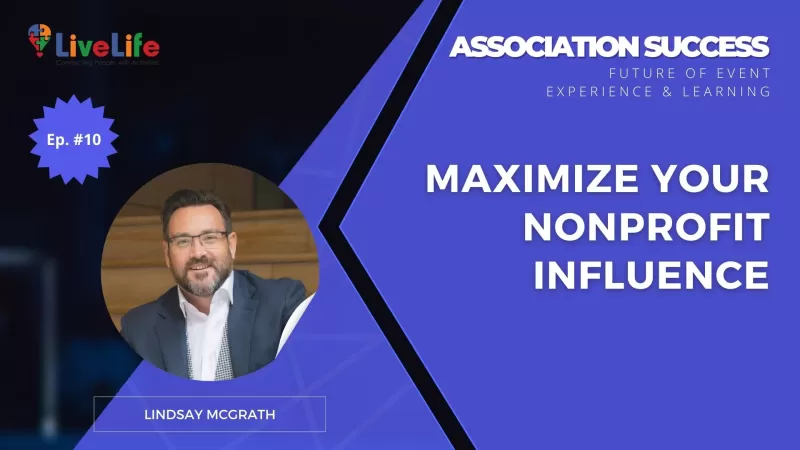
A nonprofit association is one of the most misunderstood organizational models in the world. Many professionals—even those inside associations—still believe nonprofits must stay small, avoid surplus, or restrict growth.
This is the summary based on The FEEL Podcast with Lindsay McGrath.
But what if these beliefs are holding organizations back from fulfilling their true purpose?
Inside The FEEL #10: Association as Strategic Marketing Organization (podcast), industry expert Lindsay McGrath reveals a different truth: the real limitation isn't funding.
It's mindset. And once you shift it, everything—from events to community impact—begins to transform.
This article uncovers that overlooked truth… and why your association may be missing the biggest opportunity of all.
Why "Nonprofit" Is a Tax Label, Not a Growth Strategy
For years, the world has interpreted "nonprofit" as "not allowed to make money." But here's the part most people miss:
A nonprofit association can (and must) be profitable.
Profit is not the enemy. Profit is what funds impact.
Lindsay explained in the podcast that people often hear the word "nonprofit" the same way a child hears "don't cross the road"—they fixate on the wrong part. And because of that, leaders, sponsors, and members develop limiting beliefs:
- "Stay in your lane."
- "Think small."
- "Don't aim for surplus."
These myths don't just slow growth—they suffocate purpose.
Profit Fuels Purpose
A nonprofit association reinvests every dollar into:
- Member programs
- Community education
- Industry development
- Exhibitions and conferences
- Professional training
No shareholders. No dividends. Just impact.
The more financial strength an association builds, the more good it can do.
The Misconceptions That Secretly Undermine Associations
Misconception 1: "Nonprofits shouldn't grow."
Growth is not optional.
Growth enables impact at scale.
Staying small limits the number of people you can serve.
Misconception 2: "Profit contradicts purpose."
The truth? Purpose needs funding.
You can't deliver education, exhibitions, or advocacy without resources.
Misconception 3: "Nonprofits should avoid commercial activities."
This mindset is outdated.
Today, commercial programs—trainings, certification, events—are how associations build long-term sustainability.
But here's the strategy rarely discussed…
The healthiest associations run like purpose-driven businesses—while delivering community-first impact.
How a Nonprofit Association Can Grow Without Losing Its Mission
Shift #1 — Adopt a Surplus Mindset
- Associations must stop apologizing for generating revenue.
- A surplus is not greed.
- A surplus is responsibility.
Every dollar strengthens member services, enhances programs, and expands community initiatives.
Shift #2 — Focus on High-Value Offerings Members Truly Need
Common examples include:
- Industry standards
- Annual exhibitions
- Credentialing programs
- Leadership development
- Research and publications
But here's the part most people ignore…
Not every activity your association does today creates impact—or income.
Knowing what to stop is as important as knowing what to scale.
Event Technology: The Modern Growth Engine for Associations
Inside The FEEL #10, one insight stood out: Event tech is no longer optional—it is strategic.
How Event Tech Supports Member Experience
With the right tools, associations can:
- Boost event attendance
- Personalize the attendee journey
- Track engagement data
- Increase sponsorship value
- Streamline registration and onsite flow
How Event Tech Drives Revenue
Most leaders overlook this part.
Technology doesn't just improve operations—
it enables new monetization opportunities, such as:
- Hybrid events
- Digital sponsorships
- Lead retrieval systems
- Member data analytics
- Premium educational content
This is where a modern nonprofit association can unlock sustainable surplus while multiplying its value to the industry.
Building a Purpose-Driven Profit Model
Design Programs That Reinforce Your Mission
A nonprofit association must align every revenue stream with its purpose.
This ensures growth feels ethical, aligned, and meaningful.
Operate With Business Discipline
Purpose-driven organizations still need:
- Strong financial management
- Marketing strategies
- Operational efficiency
- Data-backed decision making
But many hesitate to operate like a business—even though this is exactly what enables long-term impact.
There's one strategy rarely discussed…
The most successful associations treat profit as a tool—not a taboo.
Closing
A nonprofit association was never meant to be small, limited, or afraid of profit. Its purpose—to educate, uplift, and transform communities—requires financial strength and strategic thinking.
But the biggest insights?
The game-changing strategies?
The mindset shifts that separate struggling associations from thriving ones?
Those are revealed inside the full conversation.
Want to dive deeper with real case studies and expert insights?
Watch the conversation on The Feel Podcast.
Need personalized guidance on how nonprofit association can thrive?
Follow Mike Gunawan on Linkedin.

FAQ: People Also Ask
Q1: What is a nonprofit association?A nonprofit association is a mission-driven organization that reinvests all surplus into programs, services, and community impact instead of distributing profits to shareholders.
Q2: Can a nonprofit association make money?Yes. Generating revenue is essential for delivering exhibitions, training, advocacy, and professional development.
Q3: How is a nonprofit association different from a charity?Charities focus on public benefit, while associations typically focus on serving members, professionals, or specific industries.
Q4: Why do many nonprofits struggle financially?Most struggle due to mindset—believing they should avoid surplus or commercial activities. This limits growth and long-term sustainability.
Q5: How can associations use technology to improve engagement?Event tech helps increase event attendance, personalize experiences, collect data, and unlock new monetization opportunities.
Main Article

Related Articles
Banner

Write a comment