
Why Federated Associations Must Evolve to Stay Relevant
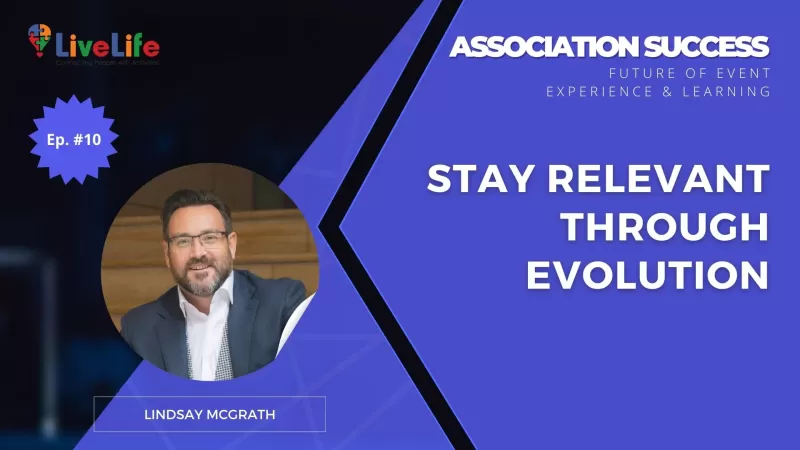
The hidden crisis inside federated associations - Federated associations face a growing internal crisis—one many leaders avoid admitting publicly.
This is the summary based on The FEEL Podcast with Lindsay McGrath.
As industries expand, regulations shift, and member expectations accelerate, federated associations often remain trapped in outdated structures.
And that's why federated associations are becoming a global example of fragmentation, slow decision-making, and stagnant value.
This exact pain point surfaced in The FEEL #10: Association as Strategic Marketing Organization (podcast) where Lindsay McGrath shared the behind-the-scenes challenges in managing SPASA—a perfect illustration of how federated associations begin to break down.
But here's the part most people miss… The problem rarely starts with the industry. It starts with the structure.
How Federated Associations Become Fragmented Over Time
Before SPASA unified, it operated like many federated associations worldwide:
A network of groups with the same name—yet almost nothing else in common.
Stagnant Services, Same Events, No Growth
Lindsay described the early years bluntly:
- Networking events repeated the same formula
- The value proposition wasn't appealing
- Programs didn't evolve with the industry
- Member needs were misunderstood or ignored
And in federated associations, this stagnation spreads fast because no one takes full ownership of national consistency.
Structural Fragmentation Creates Member Confusion
In SPASA's case:
- Each state had its own association
- Each association had its own staff
- Each staff reported to a different CEO
- Each CEO reported to a different board
- And those boards? A combined 74 directors across six organizations
Too many decision-makers.
Not enough doers.
This is the governance trap most federated associations fall into.
Why Federated Associations Break Down (The Core Causes)
The podcast touches on these challenges—but their root causes run deeper.
Regional Power Structures
When each region controls its own version of the brand, services, and advocacy, national alignment becomes impossible.
Overlapping Mandates
Federated associations often "serve the same members" but in different ways, creating:
- Conflicting messages
- Duplicated programs
- Competing events
- Mismatched standards
Reactive, Not Strategic, Operations
Small teams in each region work hard—but they are always reacting.
None can invest in innovation because resources are too dispersed.
Too Many Boards, Too Few Results
With dozens of directors, the organization becomes:
- Slow
- Political
- Operational instead of strategic
- Biased toward protecting local influence
Lindsay summarized it perfectly: "Too many cooks spoil the broth."
No National Voice
Without a unified structure, there is no:
- National brand
- National advocacy
- National education framework
- National policy influence
And this means federated associations lose relevance—quickly.
But there's one strategy rarely discussed… and it's the one that transformed SPASA entirely.
The Turning Point—A Unified Vision for Federated Associations
SPASA's transformation didn't start with systems or programs.
It started with a coalition of leaders in the industry who shared one vision.
The industry had become too big, too sophisticated, and too regulated to be split across six small, disconnected associations.
Leadership From Outside the Old Guard
A group of ex-corporate leaders, governance-trained professionals, and commercially minded members recognized that the federated model was limiting growth.
This mirrors what many federated associations experience today:
It's often the new generation who brings fresh governance discipline.
Aligning Stakeholders Around One Purpose
Discussion began in 2008.
A national body was created in 2011, but federated structures blocked real progress.
Nothing changed for five years.
Until one decisive moment.
Installing a Full-Time CEO With a Single Mission
In 2016, Lindsay became the first full-time CEO with a mandate to unify all entities into a single national association.
It took:
- Strategic communication
- Strong member engagement
- Board realignment
- Legal restructuring
- Cultural change
- And persistent negotiation
But the result? A fully unified organization with national consistency and global credibility.
And here's the part most people miss… The biggest transformation wasn't operational. It was cultural.
What Modern Federated Associations Must Do to Survive
Here are practical strategies inspired by SPASA's experience and the podcast insights.
Build a Single National Vision
Clarity beats tradition.
A unified purpose enables:
- Consistent branding
- Streamlined governance
- National advocacy impact
2. Reduce Board Size for Agility
No more 50+ directors approving day-to-day operational decisions.
Modern associations need strategic boards, not administrative ones.
Standardize Education and Certification
Unified qualifications create:
- Industry professionalism
- Workforce mobility
- Member confidence
Modernize Events With Scalable Programs
Event tech helps federated associations deliver:
- Consistent experiences
- National engagement
- Data-driven insights
- Hybrid participation
The FEEL #10 goes deep into this part—especially how event tech becomes the catalyst for alignment.
Move From Regional Silos to National Teams
Shared resources allow:
- Better staff capability
- Lower duplication
- Higher innovation
- Faster execution
This is where most federated associations unlock exponential growth.
Closing: The Future of Federated Associations Starts With One Question
Are federated associations still serving the industry—or just serving tradition?
If fragmentation continues, members will feel the inconsistency. But the missing piece—the one strategy that truly accelerates unification—is explored in depth inside the podcast.
Want to dive deeper with real case studies and expert insights?
Watch the conversation on The Feel Podcast.
Need personalized guidance on federated associations?
Follow Mike Gunawan on Linkedin.

FAQs About Federated Associations (People Also Ask)
Q1: What are federated associations?They are associations divided into multiple regional bodies that operate independently under a shared brand or mission.
Q2: Why do federated associations struggle?Fragmented governance, inconsistent services, and duplicated operations limit growth and strategic alignment.
Q3: How can federated associations unify?Through governance reform, national leadership, member-driven mandates, and structured change management.
Q4: What are the benefits of unification?Stronger advocacy, consistent programs, national branding, and more efficient use of resources.
Q5: How does event tech support federated associations?It enables national-level engagement, data insights, hybrid programs, and more scalable event strategies.
Main Article

Related Articles
Banner

Write a comment