
Designing Trade Show Booths For Emotional Engagement Goals

- Shift from Formality to Human Connection: Overcoming the "clinical" B2B stereotype by prioritizing emotional engagement to bridge the gap between brand awareness and prospect trust.
- Psychological Barrier Reduction: Utilizing welcoming atmospheres and sensory design (lighting, texture) to lower defensive barriers, making senior executives more receptive to high-value exchanges.
- Strategic Use of Playfulness: Implementing wit and "inner child" triggers to simplify complex technical narratives and humanize heavy industry brands without sacrificing professional authority.
- Data-Driven Interactive Design: Leveraging gamification and "pain point walls" to transform passive browsing into active commercial investigation and qualified lead generation.
- Accelerated Sales Cycles: Fostering psychological safety and shared laughter to shorten the funnel, allowing booth staff to probe for business challenges more effectively.
- KPI Alignment: Ensuring every emotional touchpoint is mapped to digital workflows and post-show follow-ups to translate aesthetic "wow" moments into measurable ROI and sales pipeline.
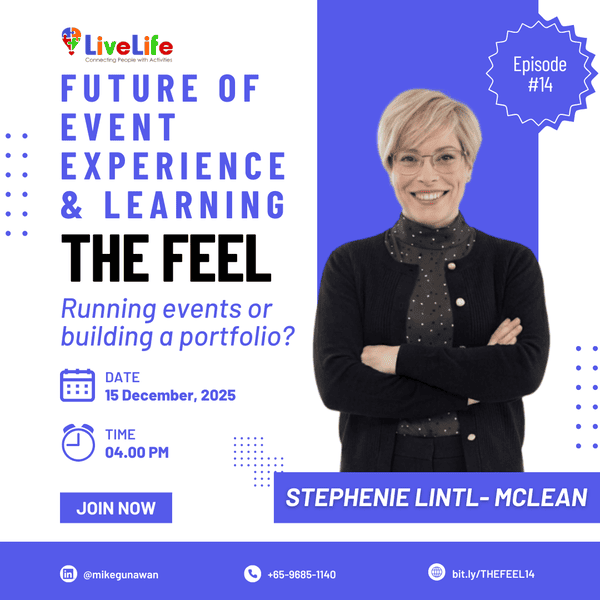
This is the summary based on The FEEL Podcast with Victoria Matey.
Many B2B marketers across Asia find their exhibition ROI stagnating because their presence feels overly clinical and rigid.
When you focus solely on corporate formality, you miss the human element that drives high-value sales decisions.
Strategic alignment starts with designing trade show booths for emotional engagement to bridge the gap between awareness and trust.
By prioritizing authentic connection, you transform a cold display into a space where meaningful business relationships begin.
To achieve this, we must look beyond aesthetics and evaluate the specific visitor psychology that influences behavior on the floor.
The Psychology of Connection: Beyond the Physical Structure
In the high-stakes environment of B2B exhibitions, "fun" is often misunderstood as a lack of professionalism.
However, the psychological need for discovery is a universal human driver that transcends industrial boundaries.
When designing trade show booths for emotional engagement, the primary objective is to lower a visitor's natural defensive barriers.
A space that fosters genuine resonance creates brand affinity, making prospects more willing to exchange high-value contact information.
The "serious business" myth often leads to sterile environments that fail to capture the attention of busy senior management.
Executives are humans first; they are naturally drawn to welcoming atmospheres that offer a respite from the clinical trade show floor.
- Sensory Appeal: Use lighting and texture to create an inviting physical presence.
- Relatability: Align your booth narrative with the lived experiences of your target persona.
By prioritizing human connection over pure technical specs, you transform a cold lead into a warm conversation.
This shift toward emotional intelligence in design ensures your brand remains memorable long after the exhibition doors close.
Humanizing the B2B Lifecycle Through Playful Booth Design
B2B trade shows often feel like a sea of clinical professionalism. Breaking this pattern requires more than just a flashy screen.
Designing trade show booths for emotional engagement involves tapping into your audience’s "inner child" to foster early trust.
Inspired by the principles in "Humor, Seriously," brands can maintain authority while using wit to lower a prospect's guard.
Subtle "little touches," like clever micro-copy or unexpected sensory elements, humanize your brand without diluting its core message.
Navigating Senior Leadership Skepticism in Heavy Industry
Decision-makers in their 50s and 60s often equate playfulness with a lack of technical seriousness.
However, strategic wit acts as a bridge, simplifying complex technical objectives and making your solution more digestible.
Case studies in renewable energy show that approachable brands often secure more qualified leads than their stoic competitors.
Playfulness isn't a distraction; it is a sophisticated tool for strengthening your unique brand positioning in a crowded market.
Once you have captured their attention emotionally, the next step is converting that interest into measurable data.
The Psychology of Connection in Exhibition Spaces
Success at a trade show is often measured by lead volume, but the quality of those leads depends on the initial emotional spark.
Designing trade show booths for emotional engagement requires moving beyond visual appeal toward intentional sensory branding.
Designing for Vulnerability and Insight
Interactive elements should do more than entertain; they must act as catalysts for visitors to share their business challenges.
Consider digital "pain point walls" where attendees select their biggest hurdles, instantly signaling their needs to your sales team.
Strategic Gamification and Spatial Flow
- Goal-Oriented Play: Use gamification to gather specific data points that align with your pre-defined KPIs.
- Frictionless Layout: Arrange your booth to eliminate physical barriers, allowing for natural transitions into deeper conversations.
- Insight Objectives: Every interaction should serve a purpose, turning passive browsing into active commercial investigation.
A well-planned environment transforms a cold lead into a collaborative partner by addressing the human element of the sales cycle.
This strategic alignment ensures that every square meter of your booth works toward a measurable business outcome.
The Strategic Value of Lightheartedness in Exhibition Design
Designing trade show booths for emotional engagement often starts with a shift in tone. A lighthearted atmosphere lowers defensive barriers, allowing for more authentic conversations.
When prospects feel comfortable enough to laugh, they are more likely to share genuine business challenges. This honesty directly improves the accuracy of your lead scoring process.
Shortening the Funnel Through Shared Laughter
Laughter serves as a powerful psychological anchor, creating high-quality touchpoints that stand out in a crowded hall. These memorable interactions significantly shorten the sales cycle.
By fostering a sense of psychological safety, your booth becomes a space for commercial investigation rather than a high-pressure sales environment.
Empowering Staff with Situational Humor
Training your booth staff to use situational humor is a sophisticated qualification tactic. It allows them to probe for pain points without sounding intrusive or repetitive.
A well-timed observation can quickly separate curious passersby from high-intent decision-makers. This strategic approach ensures your team focuses their energy on leads with true ROI potential.
Transitioning from a casual greeting to a deep strategic discussion requires a framework that aligns your physical presence with clear business objectives.
Aligning Emotional Engagement with B2B Performance Metrics
Emotional resonance in a booth is not just about aesthetics; it is a calculated driver for your primary B2B KPIs.
Designing trade show booths for emotional engagement requires a shift from passive viewing to active psychological connection.
When visitors feel understood or inspired, the friction in your sales funnel decreases, accelerating the transition from lead to partner.
This strategic alignment ensures that every "wow" moment translates into high-quality data and measurable intent.
Converting Playful Interactions into Sales Pipeline
Playful interactions often fail because they lack a structured system to capture and qualify the resulting interest.
To prevent ROI loss, link interactive elements directly to your post-show follow-up workflow via digital touchpoints.
Track how specific engagement triggers correlate with long-term sales cycles and decision-maker sentiment.
Book a Free Consultation to audit your current booth design strategy for maximum impact.
Alternatively, Complete our DIY Exhibition Assessment to measure your engagement potential today.
Bridging the gap between feeling and finance is the first step toward a high-conversion exhibition presence.

Frequently Asked Questions
Q1: How does designing trade show booths for emotional engagement improve B2B ROI?By prioritizing authentic human connection over clinical formality, brands can lower a visitor's natural defensive barriers. This psychological shift transforms a cold display into a space of trust, making prospects more willing to share high-value contact information and business challenges, which ultimately leads to higher-quality lead conversion and measurable business outcomes.
Q2: Won’t a playful booth design appear unprofessional to senior B2B decision-makers?On the contrary, strategic wit acts as a sophisticated tool for strengthening brand positioning. Senior executives are naturally drawn to welcoming atmospheres that offer a respite from the sterile trade show floor. Using playfulness as a bridge helps simplify complex technical objectives, making your solutions more digestible and approachable for high-level stakeholders in heavy industry.
Q3: What interactive elements help bridge the gap between engagement and data collection?Digital "pain point walls" and goal-oriented gamification are highly effective for capturing intent. These elements encourage visitors to self-identify their specific business hurdles, providing your sales team with immediate insights into their needs. This strategy turns passive browsing into active commercial investigation while aligning with your pre-defined KPIs.
Q4: How does sensory branding impact visitor behavior on the exhibition floor?Sensory branding, including the intentional use of lighting and texture, creates an inviting physical presence that breaks the pattern of "serious business" environments. These elements foster a sense of psychological safety and resonance, ensuring your brand remains memorable and shortening the transition from a casual greeting to a deep strategic discussion.
Q5: Can situational humor really assist in the lead qualification process?Yes, training staff to use situational humor is a sophisticated tactic that allows them to probe for pain points without sounding intrusive. A lighthearted atmosphere makes prospects more comfortable sharing genuine business challenges, which directly improves the accuracy of lead scoring and ensures your team focuses on high-intent decision-makers.
Q6: How do emotional touchpoints help shorten the B2B sales cycle?Shared laughter and emotional resonance serve as powerful psychological anchors that create high-quality touchpoints. By fostering an environment of commercial investigation rather than high-pressure sales, you reduce friction in the funnel. This accelerated transition from lead to partner ensures that every "wow" moment translates into a faster move through the sales pipeline.

Banner
Write a comment