
Following Up B2B Exhibition-Leads Effectively: Why Most Companies Struggle
-
Generating exhibition foot traffic is meaningless without a structured, high-conversion post-event system, as most brands suffer from 1-2% conversion rates due to poor follow-up execution.
-
The critical failure point for exhibitors occurs in the fragile gap between building initial excitement at the physical booth and initiating the first digital follow-up action.
-
Sales and marketing alignment must be planned well before the exhibition begins to prevent collected contacts from turning into forgotten notes or generic mass email blasts.
-
Successful conversion strategies require intentional planning, clear team roles, and post-booth engagement sequences that provide immediate, contextually tailored resources.
-
Trade show ROI dramatically improves when companies treat follow-up as a seamless, emotional continuation of the live in-person conversation rather than an administrative afterthought.
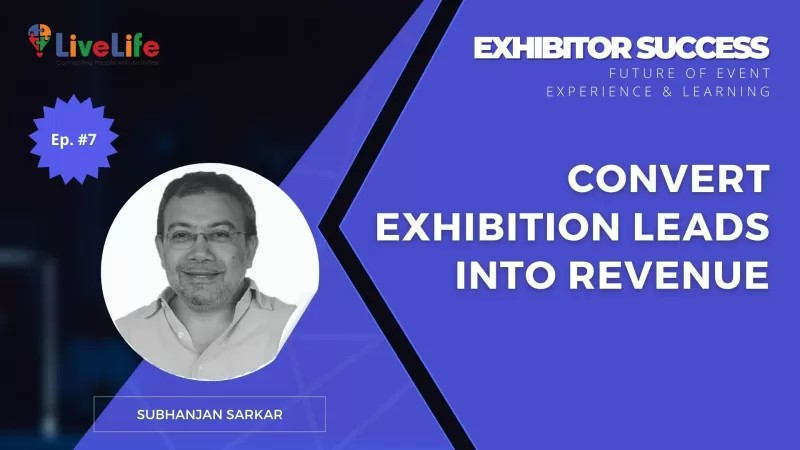
This is the summary based on The FEEL Podcast with Subhanjan Sarkar.
Following up B2B exhibition-leads effectively - In the world of B2B exhibitions, it's easy to believe that generating leads is the hardest part. You invest in booth design, you attract visitors, you have promising conversations.
Yet, after the event ends, the same frustrating reality sets in—low conversion rates and leads slipping through the cracks. Why does this keep happening? And more importantly, what can you do differently when it comes to following up B2B exhibition-leads effectively?
The problem isn't always about attracting visitors—it's also about what happens after they leave your booth. Many companies underestimate the fragile moment between a visitor's interest and the follow-up that determines whether they turn into a client or vanish forever.
To succeed, brands must build a consistent system for following up B2B exhibition-leads effectively, ensuring that every conversation translates into meaningful engagement.
Why Do B2B Sales Falter After Exhibitions?
Exhibitions should be the perfect stage for building relationships, yet most companies still resign to conversion rates hovering around 1–2%. The reason? A failure to plan seamless transitions from booth conversations to structured follow-up actions.
Sales teams often get lost between prioritizing hot leads and managing generic lists, while marketing teams struggle to align messaging with actual visitor pain points.
This lack of coordination leads to what many exhibitors know too well—hundreds of names collected, but very few meaningful connections nurtured afterward.
Companies that prioritize following up B2B exhibition-leads effectively tend to avoid this pitfall by bridging the gap between excitement at the booth and relevant, timely outreach.
The Hidden Gap Between Booth Engagement and Follow-Up
Think back to your last exhibition. How many booth visitors did you really re-engage with afterward? The truth is, most exhibitors excel at generating excitement during the event but neglect the systems and processes needed to sustain it.
Without clear follow-up workflows, even the warmest conversations fade into forgotten notes or unreturned emails.
Following Up B2B Exhibition-Leads Effectively means treating that post-event moment as a continuation of the booth experience, not a separate task.
Visitors expect recognition, relevance, and personalization—but too often, they receive generic follow-up messages that fail to remind them why they were excited in the first place.
Strategies That Separate Success From Failure
Companies that outperform others in exhibition conversions follow one consistent principle: intentional planning. Instead of waiting until after the show, they design visitor engagement strategies in advance. This includes:
- Preparing content that matches the visitor's stage in the buying journey.
- Assigning clear roles between sales and marketing teams for immediate follow-up.
- Using tools that track interactions and prioritize the most engaged prospects.
- Crafting post-booth engagement sequences that feel personalized, not automated.
The difference between average results and exceptional ones lies not in the booth design but in how the visitor feels when the follow-up arrives.
Did they feel remembered? Did they see continuity from your conversation? That emotional link determines whether they take the next step.
Examples That Prove It Works
We've seen companies transform their conversion rates simply by refining this transition. One exhibitor used a three-step process: capture, engage, and re-connect within 48 hours with tailored insights.
Another aligned marketing and sales teams in real time during the show, ensuring every hot lead received immediate attention.
The lesson is clear: exhibitions don't fail because of low foot traffic—they fail because exhibitors neglect to treat follow-up as an extension of the experience.
When teams focus on following up B2B exhibition-leads effectively, the return on investment dramatically improves.
The Takeaway
If you want to maximize ROI from your next exhibition, stop treating follow-up as an afterthought. Plan it with the same energy you put into booth design and lead generation. Mastering Following Up B2B Exhibition-Leads Effectively is what separates exhibitors who merely collect names from those who close deals.
And if you want the complete framework behind this idea, read our guide on following up booth leads effectively—the missing link to exhibition success.
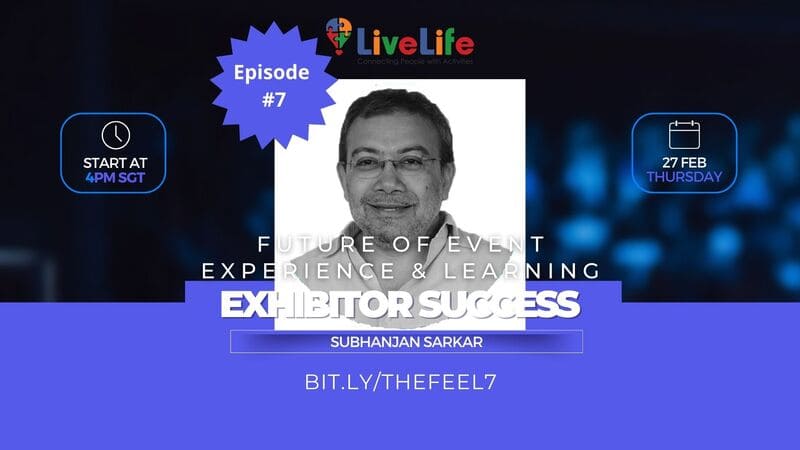
Curious to discover the exact strategies top experts use to solve this challenge? Watch the full conversation with Subhanjan Sarkar in our latest podcast episode.
Watch the conversation on The Feel Podcast.
Need personalized guidance on following up B2B exhibition-leads effectively?
Follow Mike Gunawan on Linkedin.

Frequently Asked Questions
Q1: Why do B2B sales conversion rates typically falter and stay at a low 1-2% after exhibitions?Sales conversion rates falter because most companies fail to plan a seamless transition from live booth conversations to structured follow-up workflows. Marketing and sales teams often struggle to align their outreach messaging with verified visitor pain points, causing high-quality leads to go cold amid chaotic data processing and generic email blasts.
Q2: What is the main operational gap between booth engagement and post-event follow-up?The main gap lies in the widespread neglect of post-event data systems and lead workflows needed to sustain on-site momentum. Exhibitors excel at driving engagement during the live exhibition but fail to deliver personalized digital recognition afterward, frequently sending automated messages that fail to remind the prospect why they were originally interested.
Q3: How can exhibitors design a post-booth engagement sequence that separates success from failure?Exhibitors can ensure success by intentionally planning their outreach strategies in advance rather than waiting until the trade show ends. This involves preparing content that matches specific stages of the buying journey, utilizing interaction-tracking tools to prioritize high-intent prospects, and assigning distinct follow-up execution roles to sales and marketing personnel.
Q4: Why does emotional continuity matter when following up B2B exhibition leads effectively?Emotional continuity matters because a prospect's willingness to take the next business step depends heavily on how they feel when your communication arrives. If the follow-up text makes them feel genuinely remembered and shows a direct link to the live booth conversation, it builds trust and reinforces the initial brand relationship.
Q5: What real-world examples demonstrate a massive turnaround in trade show lead conversion rates?Successful exhibitors have transformed conversion rates by implementing rapid, highly coordinated action steps, such as deploying a structured 48-hour recapture sequence packed with tailored insights. Other top-performing brands align their sales and marketing teams in real time during the exhibition, ensuring that hot leads receive immediate attention before the event even concludes.
Main Article
Related Articles
Banner
Write a comment