
Mastering Presentation Flow Techniques for Lasting Audience Engagement
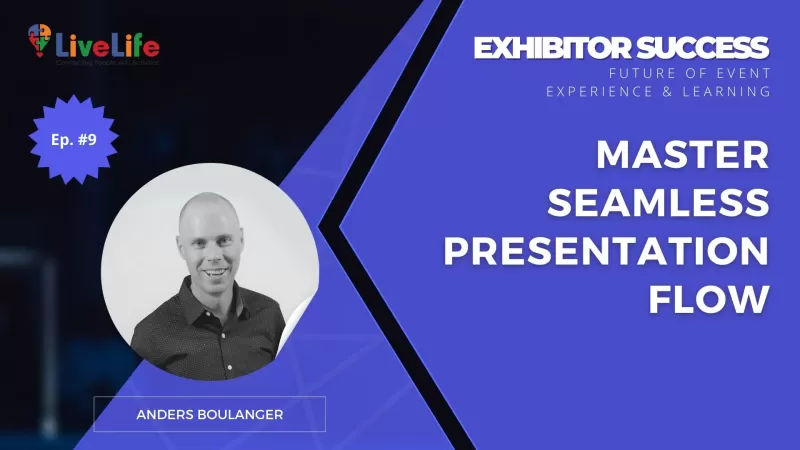
Presentation flow techniques - Why presentation flow can make or break your impact? Have you ever seen an audience's energy crash the moment a new speaker takes the stage?
This is the summary based on The FEEL Podcast with Anders Boulanger.
It's painful to watch. First presenter manages to build momentum, excitement is high, but then with the later persenter—suddenly—the room feels flat. This happens when presentation flow techniques are missing or poorly executed.
In the fast-paced world of tradeshows and live presentations, maintaining momentum is not just about charisma—it's about structure, psychology, and timing.
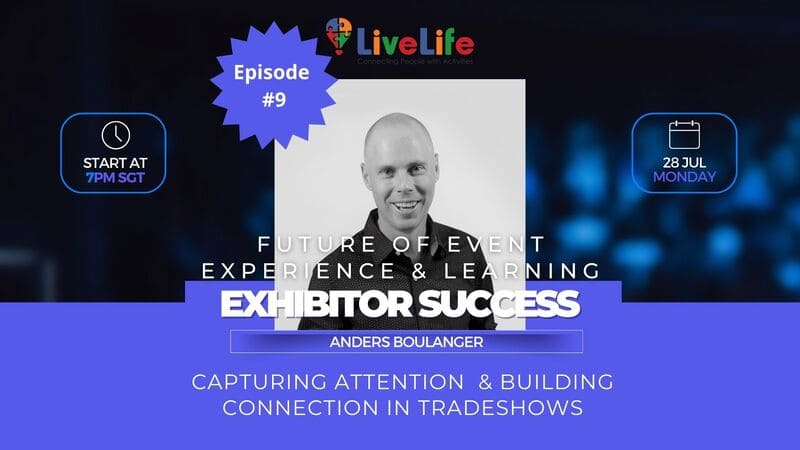
And as shared in The FEEL #9: Capturing Attention & Building Connection in Tradeshows (podcast) with Anders Boulanger, there are strategies that can transform how people stay engaged, even when speakers transition or content shifts.
But here's the part most people miss: flow is as important than content. Without the right flow, even the best information gets lost.
The Hidden Power of Presentation Flow Techniques
Setting the Stage Before the Stage
The first impression isn't when you start speaking—it's when the audience first sees you. Are you standing confidently? Are you mirroring the energy of the previous speaker or the room itself?
This is where the concept of "stealing rapport" comes into play. Borrowed from NLP (neuro-linguistic programming), it means starting with similar posture, tone, or pace as the person the crowd already connects with.
Audiences subconsciously feel continuity, which prevents the dreaded energy drop.
But here's the catch—if the previous presenter lost the room, you must do the opposite: change your tone, stance, and energy to reset the vibe instantly.
Flow Is About Energy, Not Words
Many technical presenters make a classic mistake: they jump straight into details. Within seconds, the audience disengages. Why? Because flow isn't about what you say first—it's about how you warm them up.
Engagement facilitators, as highlighted in the podcast, often act as "energy bridges." They stop the crowd, excite them, and then hand the audience over to the technical expert. But unless that expert knows how to maintain the flow, all the setup collapses.
A simple tip: always start high-energy—even for just 30 seconds. You can lower your pace later, but that initial spark keeps people hooked.
Advanced Strategies Few People Talk About
1. Micro-Transitions That Prevent Drop-Offs
A five-second pause may not sound like much, but in a tradeshow booth, it's fatal. Audiences expect instant continuity. Micro-transitions—quick anecdotes, rhetorical questions, or light humor—act as bridges that keep attention alive.
2. Building Curiosity Before Delivering Content
Too often, presenters rush into their pitch. Instead, tease the outcome:
- "In the next two minutes, I'll share the one mistake that costs companies thousands in booth traffic."
- "Before I tell you the ‘how,' let's uncover the ‘why'—and it may surprise you."
Curiosity hooks the brain, buying you more time to present without losing listeners.
3. Engaging First, Educating Later
As highlighted by Anders: If people aren't listening, it doesn't matter what you know. Presentation flow techniques are not about pushing information; they're about creating readiness to receive it.
Think of it as emotional priming. A laugh, a question, or a "wow" moment before the technical demo opens the audience's mind.
Case Study: When Flow Saved the Show
At one tradeshow, a technical expert was about to deliver a product demo. The crowd was restless.
Instead of diving straight into specs, the facilitator mirrored the audience's energy with humor, then gradually handed the mic to the engineer—who began by asking a playful question before showing the product.
The result? No drop-off. The crowd not only stayed but leaned in closer. That's the silent power of seamless flow.
Closing Thoughts: The Missing Piece
The truth is, presentation flow techniques are the secret weapon of impactful communicators. Without them, even world-class content falls flat. With them, every word feels magnetic.
But here's what most presenters overlook: flow isn't just about speaking—it's about psychology, energy, and timing. And those who master it create not just presentations, but experiences that audiences never forget.
Want to learn the deeper strategies—like how to blend storytelling with flow, or how to adapt techniques for different cultural audiences? That's exactly what you'll uncover in the podcast.
Watch the conversation on The Feel Podcast.
Need personalized guidance on presentation flow techniques?
Follow Mike Gunawan on Linkedin

Frequently Asked Questions (FAQ)
Q1: What are presentation flow techniques?They are methods to maintain audience engagement through smooth transitions, energy management, and structured delivery.
Q2: Why do audiences disengage during presentations?Usually because of abrupt changes in energy, long pauses, or overly technical starts that skip the emotional hook.
Q3: How can technical speakers improve their flow?By starting with high energy, using curiosity-driven openers, and mastering micro-transitions before diving into details.
Q4: What is "stealing rapport"?It's an NLP-inspired technique where presenters mirror the energy, tone, or stance of a previous speaker the audience already trusts, to maintain connection.
Q5: How do presentation flow techniques apply in tradeshows?They prevent audience drop-off between different speakers, sustain booth traffic, and ensure that every message lands with impact.
Main Article
Related Articles
Banner

Write a comment