
What Is The Purpose Of A Trade Show Booth? (the Stage Strategy)

- Most exhibitors quietly cast the booth itself as the Main Act, pouring budget into truss systems and LED walls while the real performers stand around like statues, and that inverted priority is exactly why beautiful spaces get ignored.
- The purpose of a trade show booth was never to display products or scan badges, because those are outcomes, not intentions; its actual job is to serve as a performance stage that empowers your staff to tell the brand story with clarity and confidence.
- When you plan the show before you build the set, defining your message, your spokesperson, and the customer journey first, the design stops being decoration and starts working as a support system that makes your people look like stars.
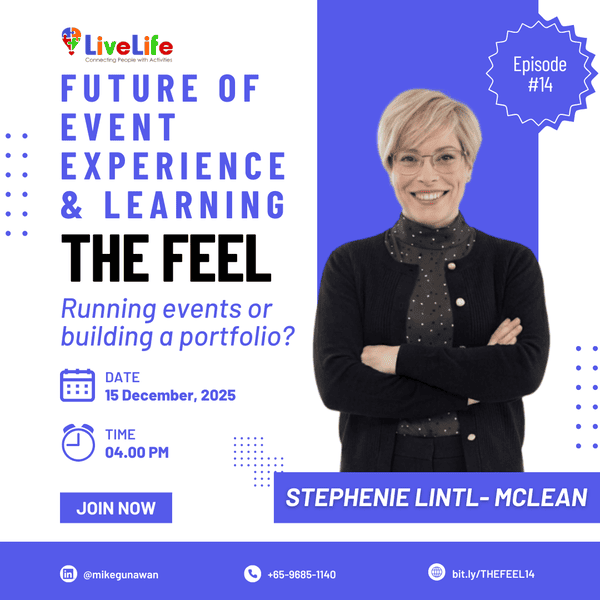
This is the summary based on The FEEL Podcast with Steve Multer.
There's a moment in The FEEL Podcast conversation with Steve Multer that reframes the whole industry, and it starts with a simple admission most of us are guilty of.
We fall into what you could call the High-Tech, Low-Engagement Trap, assuming that if the design is beautiful enough, it will carry the weight of the show on its own. We quietly cast the booth as the Main Act and expect the LED walls to do the storytelling for us.
But a stage, no matter how spectacular, is just a floor and some props if the actors don't know their lines. Steve puts it as a direct choice: imagine a stunning stage with beautiful sets, great lighting, and rich sound, but the actors on it are dull and can't bring the story across.
Now flip it. Take phenomenal actors and put them on a bare, naked stage with nothing behind them, just the heart of the story they're trying to tell. Which one would you rather attend?
The answer lands instantly, and it should reshape how you plan every square foot of your space. It's the kind of claim you'd expect pushback on, but when Mike pushed back on it in the conversation, the agreement was immediate.
And that single realization is where the real conversation begins. Because once you accept that the people matter more than the props, the question stops being about design and starts being about performance.
Which is exactly why knowing how to staff and run a trade show booth that drives ROI matters more than any truss system you could rent.
When design gets prioritized over human performance, you end up with what we can call Statue Syndrome, the effect Steve points to when he describes staff standing around like statues.
They feel like they're guarding a museum exhibit rather than hosting a performance, hovering at the edges because the beautiful set never gave them a way to move, interact, or engage.
The design didn't fail because it was ugly. It failed because it forgot the human element is the only thing that builds a lasting emotional connection, and no truss system can improvise a warm conversation with a stranger.
What Should You Plan Before Designing a Trade Show Booth?
Before you review a single 3D render or debate a color palette, your job is to act as a Director rather than a Project Manager.
A Director defines the show before anyone builds the set, and that shift in intentional thinking changes the entire order of your planning.
The clarity you create here is what keeps the physical build from wandering off into decoration for its own sake. Check this?
Steve's observation cuts right to the root of the problem: most of the trouble he sees comes from teams building the booth before they truly understand why they're there, what message they want to tell, and who the spokesperson will be to carry that message.
When you invert that sequence and settle the human questions first, the architecture almost designs itself.
Everything downstream gets easier because the strategy is set before the steel goes up. So let's break down what actually needs alignment before the design phase begins.
Defining the Main Act, Your Message
Why are you there at all? If your message is that you're the most innovative software in the space, then your booth shouldn't read like a traditional corporate office.
It should feel like a laboratory or a futuristic hub, because the message dictates the architecture and not the other way around. Get this wrong and even a flawless build sends the wrong signal the moment someone walks up.
Identifying the Spokesperson, Your Human Element
Who are the actors on your stage? Technical engineers behave differently than high-level executives, and each needs a different environment to feel empowered.
Engineers often want demo stations where they can show rather than tell, while executives lean toward semi-private VIP zones built for deeper storytelling. You can't design the space until you know who will occupy it and what makes them comfortable enough to do their best work.
Scripting the Customer Journey
As part of a broader system of experiential marketing, map how a visitor moves from the aisle, which is the audience, onto the booth, which is the stage. What's the first thing they see, and what's the first thing they hear?
A well-scripted journey guides someone through the story naturally, so the design becomes a set of cues rather than a static display they wander past.
The Partnership: How Booth Design Should Support Booth Staff
Here's where the whole philosophy comes together into something practical. The strongest impact happens when the physical environment and the human beings genuinely partner with one another, because one can't function effectively without the other.
Steve is careful not to undermine the craft of the trade show industry, and neither should we. The logistics, the builds, the truss systems flying overhead, the gamification engagements inside the booth, all of them can be phenomenal storytellers in their own right.
The point is that we simply can't stop there. We have to put human beings out on the floor sharing those stories alongside the design, refining the balance so neither one carries the burden alone.
To serve the real purpose of a trade show booth, the design has to be dictated by the specific storytelling needs of your staff, which means the questions of ergonomics, flow, and flexibility all get answered by asking what the actors need to perform.
When you treat the booth as a support system for your people, the engagement follows.
Designing for Ergonomics and Flow
If your staff will stand for eight hours running deep-dive conversations, the space needs genuine Performance Zones. Standing-height tables that let two people collaborate side by side beat high counters that create an us-versus-them barrier every time.
Small ergonomic choices decide whether a conversation feels like a pitch across a desk or a shared problem being solved together.
Creating Performance Zones for Storytelling
The booth should behave like a flexible set rather than a fixed diorama. When your staff know the story inside out, they can improvise the way a great actor does, without needing a rigid, pre-written scenario for every visitor.
That freedom only works if the tools they need, whether digital screens, physical samples, or whiteboards, are within reach at the exact moment the conversation calls for them.
Integrating Gamification as a Tool, Not a Distraction
Gamification is phenomenal for pulling a crowd, but it earns its place only when it supports the story. If the game doesn't hand the visitor directly into a conversation with a staff member, it's just noise dressed up as engagement.
Position the game as the opening act that warms up the audience, then let your staff step in as the Main Act the moment the crowd is ready to lean in.
Beyond Logistics: The Booth as a Storytelling Partner
None of this diminishes the importance of logistics, builds, and truss systems, because those technical elements are exactly what make the show possible in the first place. Walk any great expo floor and you'll see gorgeous booths that are beautifully built and genuinely do attract people.
That craft is real, and it deserves respect. The trap is stopping there and assuming the structure alone will do the talking.
A trade show booth was never meant to be a destination for products. It's a performance stage designed to amplify the human story of your brand, and the shift from viewing it as a "build" to viewing it as a support system for your actors is where the real work of exhibitor success starts to show.
When you stop managing a space and start directing a performance, your engagement metrics move because the priorities finally match how humans actually connect.
So build a stage that makes your staff look like stars, give them the room and the tools to improvise, and trust that the audience will follow the people, not the props. The real question left for you is a simple one worth sitting with before your next show: are you building a monument, or are you directing a performance?

Frequently Asked Questions
Q1: What is the real purpose of a trade show booth?The purpose isn't to show products or scan badges, since those are outcomes rather than intentions. Its true job is to act as a performance stage that empowers your staff to tell your brand's story, because the human element is the only thing that builds a lasting emotional connection with a visitor.
Q2: Why isn't a beautiful booth design enough on its own?Because a stage, no matter how spectacular, is just a floor and some props if the actors don't know their lines. As Steve Multer frames it, a bare stage with phenomenal actors who know the story beats a stunning stage with dull ones every time, which is why staff standing around like statues signals the design has failed to give them a way to engage.
Q3: What should you plan before designing a trade show booth?Settle the human questions first: why you're there, what message you want to tell, and who the spokesperson will be to carry it. Most trouble comes from teams building the booth before understanding those three things, so when you define the message, the spokesperson, and the customer journey up front, the architecture almost designs itself.

Banner
Write a comment