
Best Practices for Trade Show Lead Follow Up
- Brand recognition stays high when you send follow-up messages before the event ends.
- Sales efficiency increases by focusing on hot leads instead of chasing every badge scan.
- Higher conversion rates come from referencing specific booth conversations in your first email.
- Clean sales pipelines are maintained by syncing booth data with your CRM every day.
- Long-term revenue grows by sending educational content to prospects who aren't ready to buy.
- Competitive advantages are secured by reaching prospects before they forget your initial meeting.
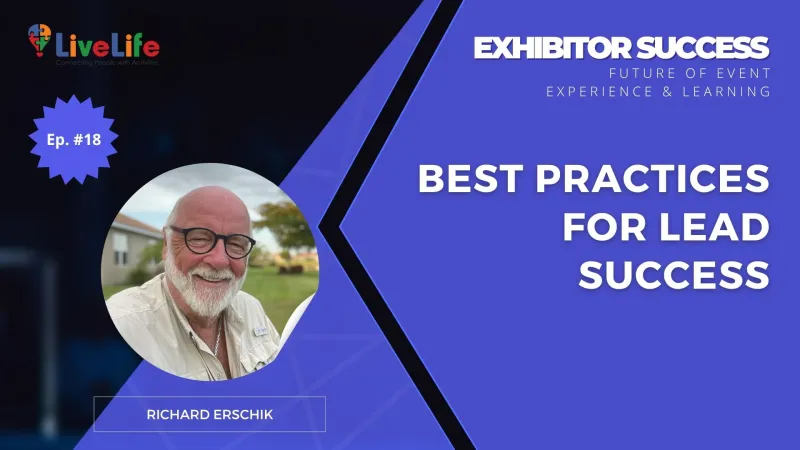
This is the summary based on The FEEL Podcast with Richard Erschik.
To prevent leads from cooling off, you need a pre-configured response framework ready before the show starts. Prioritizing speed-to-lead is the only way to stay relevant in a crowded post-event inbox and protect your sales pipeline.
- Segment on the fly: Tag leads as "Hot," "Warm," or "Cold" immediately after the conversation ends.
- Daily data sync: Upload all booth scans into your CRM every evening to avoid a massive post-show backlog.
- Pre-set templates: Prepare industry-specific outreach emails ahead of time so you can hit send within 24 hours.
Why Trade Show Leads Go Cold So Fast
This urgency exists because the window of relevance for a trade show lead is surprisingly narrow.
Within 48 hours, the sensory experience of the event—the face-to-face rapport you built—begins to fade into a blur of similar conversations.
This phenomenon, often called lead decay, happens because your prospect returns to a mountain of "real world" tasks that immediately take priority.
Without a quick touchpoint, your brand shifts from a strategic solution to just another business card at the bottom of a laptop bag.
Furthermore, your competitors are likely operating on the same timeline, creating a silent race for mental real estate.
If a prospect receives a clear, relevant message from a competitor while your data is still sitting in a spreadsheet, the connection they had with you effectively resets.
It is not just about being first; it is about maintaining the momentum before the "post-show vacuum" consumes the attendee’s original intent.
Turning Speed Into a Competitive Advantage Through Tiered Response
Closing the gap between the show floor and the first follow-up requires more than just urgency; it requires a structured triage system.
When you treat every lead with the same level of priority, you dilute your impact and allow high-value opportunities to slip through the cracks during that critical post-show window.
Segmenting In-Market vs. Out-Market Prospects
The most effective way to maintain momentum is to recognize that not all interest is equal. By separating the small percentage of "ready-to-buy" prospects from those in the early research phase, you ensure your best resources are focused on immediate revenue.
- In-market leads receive a direct, high-touch bridge to a sales conversation.
- Out-market leads are transitioned into educational tracks that keep your brand visible without exhausting your sales team.
The Power of the Immediate "Hot" Filter
Filtering leads based on stakeholder roles and immediate budget availability works because it prevents lead fatigue. This strategy protects your ROI by ensuring that the best practices for trade show lead follow up start with the prospects most likely to convert today, rather than burying them in a sea of generic outreach.
Bridging the Gap Between Initial Contact and Ready-to-Buy
Once you have identified the majority of leads who aren't ready for a contract today, the solution shifts from immediate sales to long-term brand authority. This is where most companies fail by treating every lead as a "now or never" opportunity.
A strategic nurture sequence works because it respects the natural B2B sales cycle. By providing value-driven content—rather than aggressive sales pitches—you stay top-of-mind without causing lead fatigue or appearing desperate.
Why Value-Based Follow-Ups Win
- Trust Building: Sharing industry insights or case studies positions your team as consultants, not just vendors, reducing friction for future conversations.
- Contextual Relevance: Sending information that addresses the specific pain points discussed at the booth proves your team was listening, which is a rare trait in trade show follow-ups.
- Psychological Reciprocity: Providing helpful resources for free makes prospects more likely to engage with your brand when their budget eventually becomes available.
This approach ensures that when the prospect finally enters their active buying window, your brand is the natural first choice. It effectively transforms a cold database into a warm pipeline of future revenue by maintaining a low-pressure, high-value connection.
How to Build a Lead Qualification Framework That Actually Works
Moving from tracking volume to tracking value requires a repeatable system that your team can use in the heat of a busy exhibition hall.
Define Your Scoring Criteria
Stop treating every badge scan as equal. Create a simple "A, B, C" tier system based on immediate needs. To know how to tell if a lead is worth following up, look for a specific project timeline or a clear pain point that matches your solution.
- Tier A: High intent, clear budget, and immediate project.
- Tier B: Interested but needs education; no immediate project.
- Tier C: Information seekers or students with no buying power.
Standardize Your Discovery Questions
Equip your team with three non-negotiable questions to ask every visitor. This ensures the data you review after the show is consistent and comparable across different staff members.
Assign Immediate Ownership
Tag leads in your CRM or lead capture app during the conversation. If a lead is marked as Tier A, the system should trigger a notification for the relevant account executive to initiate a personalized response before the show ends.
Turning Captured Tags Into Conversations Within 48 Hours
Once your team has tagged leads in real-time, the momentum shifts to speed. The goal is to move from a booth conversation to a scheduled meeting before the lead loses the "event high."
Sync and Distribute Your Lead Data
Data decay happens fast. Ensure your lead capture app syncs with your CRM immediately after the show ends, or at the end of each day.
- Verify data integrity: Check that notes and tags are legible and attached to the correct contact records.
- Assign owners: Automatically route Tier A leads to the specific account executives identified during the conversation.
Execute Your Tiered Outreach Plan
Stop sending the same "thanks for visiting" email to everyone. Use a lead prioritization framework to dictate your speed and tone.
- Tier A (Hot): Send a personalized LinkedIn message or a 30-second video referencing a specific pain point discussed. Do this within 24 hours.
- Tier B (Warm): Enroll these into a 3-step automated email sequence that offers a relevant case study or solution brief.
- Tier C (Information Seekers): Add to your general marketing newsletter to keep your brand top-of-mind without draining sales resources.
A Practical Checklist for Your Post-Show Workflow
Moving from lead categorization to actual execution requires a structured timeline to prevent lead decay and missed opportunities.
To ensure your best practices for trade show lead follow up translate into revenue, follow this sequence immediately after the doors close:
- Sync data within 24 hours: Upload all scanned badges and handwritten notes into your CRM immediately to avoid data loss or manual entry errors.
- Assign clear ownership: Hand off Tier A leads to specific sales reps for direct outreach while enrolling Tier B and C into their respective automated tracks.
- Personalize the "Hook": Reference a specific topic or pain point discussed at the booth rather than sending a generic "thanks for visiting" email.
- Execute a multi-channel touch: Combine a personalized email with a LinkedIn connection request to remain top-of-mind across different professional platforms.
- Audit the response time: Track the "speed to lead" metric to ensure your team is engaging prospects while the event conversation is still fresh.
The real gap in exhibition ROI is rarely the quality of the event itself, but the discipline of the follow-up process that follows.
If you are looking for more clarity on how to structure your lead tracking or need help defining your exhibition KPIs, a strategy review can help align your sales and marketing efforts for your next event.

Frequently Asked Questions
Q1: Why do trade show leads go cold so quickly after an event?Lead decay occurs because the sensory rapport built at the booth fades within 48 hours as prospects return to their daily workloads. Without an immediate touchpoint, your brand loses mental real estate to competitors who reach the inbox first, turning a strategic connection into a forgotten business card.
Q2: What are the best practices for trade show lead follow up to ensure high ROI?The most effective strategy is a tiered response: tag leads as Hot, Warm, or Cold immediately after the conversation. Sync this data to your CRM daily and deploy personalized outreach to high-priority prospects within 24 hours, while enrolling others into automated, value-driven nurture sequences.
Q3: How can I tell if a trade show lead is high-priority or just browsing?Use a standardized qualification framework during the conversation to identify specific project timelines and budget authority. A high-priority lead has a clear pain point your solution solves and a defined window for implementation, whereas a low-priority lead is typically seeking general industry information.
Q4: What is the biggest mistake companies make with post-show outreach?The most common error is sending the same generic "thanks for visiting" email to every badge scan. This one-size-fits-all approach causes lead fatigue and allows high-value opportunities to slip through the cracks. Effective follow-up requires segmenting in-market buyers from out-market researchers.
Q5: How do I prevent a massive data backlog after the show ends?Avoid the post-show vacuum by using a lead capture app that syncs with your CRM in real-time or at the end of each day. By categorizing leads and assigning ownership on the fly, your sales team can initiate conversations while the event experience is still fresh in the prospect's mind.
Q6: What should I include in a follow-up email to keep a lead warm?Skip the generic pitch and reference a specific topic or pain point discussed at the booth. Providing a relevant case study or a 30-second personalized video builds trust and positions your team as consultants rather than just vendors, making the prospect more likely to engage.

Banner
Write a comment