
How to Measure Trade Show Exhibitor Satisfaction Effectively

- Real-time lead scoring reveals actual booth ROI before the event even ends
- Short feedback cycles prevent memory decay and ensure you capture accurate attendee sentiment
- Segmenting walk-ins from scheduled meetings proves the specific value of your matchmaking efforts
- Quick 48-hour performance summaries keep sales momentum high and speed up the rebooking process
- Matching lead quality to booth location identifies exactly how to double your future results
- Direct CRM integration turns event conversations into measurable long-term revenue growth
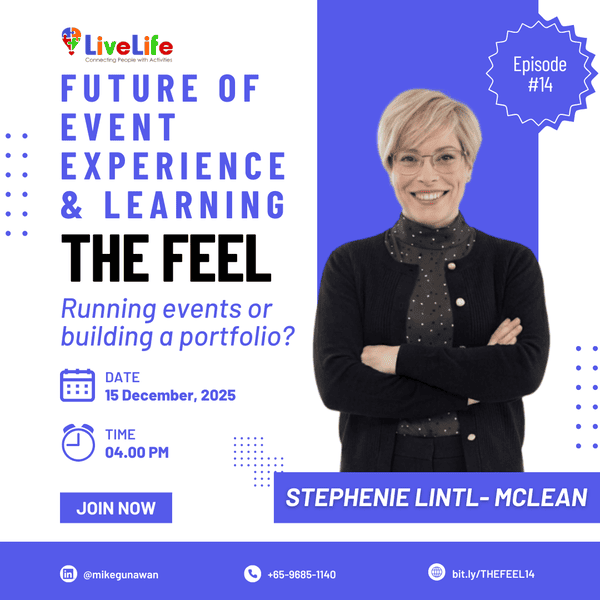
This is the summary based on The FEEL Podcast with Kuan Yan Tan.
To move past surface-level feedback, you must start capturing data while the event is live. Instead of waiting for a post-show email, implement these three immediate tracking steps to measure booth traffic quality effectively:
- Log lead quality: Rate every conversation on a scale of 1–3 based on budget and decision-making authority.
- Track dwell time: Note how long key prospects stay to gauge the depth of your engagement.
- Audit meeting volume: Compare scheduled vs. walk-in meetings to measure your pre-show marketing impact.
The Gap Between Data Collection and Exhibitor Reality
Once you have audited your meeting volume, you often find a disconnect between the numbers and the actual experience on the floor. This happens because most measurement systems ignore the post-show recovery phase.
Exhibitors are usually exhausted and focused entirely on closing the leads they just gathered. When a complex survey arrives, it is viewed as an administrative hurdle rather than a tool for improvement. This leads to "survey fatigue," where teams provide generic answers just to clear their inbox.
The Limitation of Quantitative Scoring
- Fuzzy metrics: A "7 out of 10" for booth location doesn't explain if the issue was foot traffic volume or the poor quality of the people passing by.
- The urgency trap: High-value feedback is often lost because the system prioritizes speed over depth during the critical follow-up window.
- Contextual blindness: Numbers can show that meetings happened, but they cannot explain why a scheduled visitor failed to convert into a qualified prospect.
Understanding this friction is essential. You aren't just measuring satisfaction; you are trying to uncover the operational friction that prevented a higher return on investment. If the data collection method clashes with the exhibitor's workflow, the resulting insights will always be superficial.
Implementing a Frictionless Feedback Framework
To move from theory to actual data, you need a collection framework that captures sentiment while the experience is still fresh. This prevents the "memory decay" that often skews post-show surveys sent weeks after the event has ended.
Build a Three-Phase Feedback Loop
Instead of a single massive survey, break your data collection into manageable touchpoints that align naturally with the exhibitor's journey:
- The Mid-Show Pulse: A 30-second digital check-in on Day 2 to identify immediate friction points like booth traffic quality or venue issues.
- The Load-Out Snapshot: A quick rating on logistics and onsite support, captured via mobile while the team is still on the floor.
- The Deep-Dive Impact: A strategic survey sent 14 days later, specifically focusing on lead quality and initial follow-up conversion rates.
Balance Quantitative and Qualitative Metrics
Your exhibitor feedback loop must capture both the "what" and the "why" to be actionable. Use a mix of structured ratings and open-ended insights:
- Logistics Rating: A 1-5 scale covering booth setup, utilities, and vendor responsiveness.
- Lead Relevance: The percentage of captured leads that actually matched their pre-defined target persona.
- The "One Thing" Question: Ask for the single specific change that would have doubled their results.
Building a Data-Driven Feedback Framework
Once you have identified the gap in lead quality, the next step is to turn those insights into a structured scoring system.
This framework moves beyond "gut feelings" and uses actual behavior to determine if the event met expectations.
Audit Digital Engagement Metrics
Stop relying on total foot traffic numbers. Pull data from your event app to see how many people booked appointments versus how many actually showed up.
High profile views but low appointment rates usually signal a mismatch between the exhibitor’s profile and the attendee’s needs.
Track Immediate Rebooking Speed
Create a simple log to track which exhibitors rebook before the show floor closes. This is the most honest metric for satisfaction you will ever find.
Exhibitors who commit to next year while still on-site have clearly seen a path to ROI that justifies the immediate spend.
The Post-Show "One-Thing" Survey
Send a one-question survey within 48 hours asking: "What is the single change that would have doubled your results?"
- Compare: Cross-reference lead relevance scores with exhibitor sentiment.
- Verify: Match digital profile views in the event app to physical booth traffic.
- Analyze: Identify if low satisfaction stems from low traffic volume or poor lead quality.
Connecting Performance Data to Exhibitor Sentiment
Lead Tagging as a Measure of Success
Effective satisfaction measurement moves beyond simply counting booth visitors and focuses on the quality of the pipeline generated.
Using lead scanning tools to categorize prospects as hot, warm, or cold allows exhibitors to see immediate value in their traffic data.
- High-quality leads (SQLs) correlate directly with high exhibitor satisfaction scores.
- Direct CRM integration ensures that the initial "event success" translates into long-term sales tracking.
The Power of Real-Time Meeting Ratings
A 5-star rating system for matchmaking meetings provides an objective way to distinguish between productive conversations and "filler" appointments.
This data reveals whether a satisfaction gap is caused by the audience profile or the sales team’s own proactiveness during the show.
By comparing organic meetings with hosted buyer appointments, organizers can prove the event’s specific impact on the exhibitor’s bottom line.
When exhibitors can see a clear distinction between a "busy" booth and a "profitable" one, their perception of the event's value becomes data-driven rather than emotional.
A Framework to Turn Feedback into Performance Metrics
Moving from emotional feedback to data-driven satisfaction requires a structured way to present results. Organizers must help exhibitors see the direct link between the event environment and their sales pipeline through a standardized reporting process.
The Post-Show Impact Checklist
To provide a clear picture of success, your reporting should focus on these three specific areas immediately after the floor closes:
- Lead Segmentation: Separate walk-in traffic from pre-scheduled hosted buyer meetings to prove the value of your matchmaking services.
- Quality Assessment: Use a trade show ROI checklist to help exhibitors rate lead quality on a scale of 1–5, rather than just counting the volume of business cards.
- Operational Friction Points: Document specific issues regarding logistics, booth location, or technical support to resolve them before the next booking cycle.
Standardizing the Follow-Up Timeline
Distribute a "Performance Summary" to your exhibitors within 48 hours. This keeps the momentum high and ensures that the data is captured while the exhibitor's sales team is still actively processing their new contacts.
Build a Sustainable Feedback Loop for Future Growth
With the performance summary delivered, you now have the raw materials to bridge the gap between simple survey scores and actual business impact.
To truly master how to measure trade show exhibitor satisfaction effectively, you must transform these metrics into a roadmap for your next event.
Follow this framework to turn post-show data into long-term exhibitor retention:
- Identify the ROI Gap: Compare the exhibitor’s initial goals against the actual booth engagement metrics you’ve captured.
- Segment by Sentiment: Categorize exhibitors into "Success Stories" and "At Risk" groups to prioritize your account management efforts.
- Host Strategic Debriefs: Schedule 15-minute calls with key partners to discuss how specific attendee demographics influenced their lead quality.
- Refine the Prospectus: Use the positive data points as verified proof of performance to secure early re-bookings for next year.
Effective measurement isn't just about looking backward; it is about proving to your exhibitors that you are an active partner in their sales cycle.
If you need help structuring these insights into a clear strategy for your next show, a professional audit of your current data collection process can clarify the path forward.

Frequently Asked Questions
Q1: How to measure trade show exhibitor satisfaction effectively?To move beyond surface-level scores, implement a three-phase feedback loop: a 30-second mid-show pulse check on Day 2, a logistics snapshot during load-out, and a strategic impact survey 14 days later that focuses on lead conversion and follow-up quality.
Q2: Why is booth traffic quality more important than total visitor volume?Raw foot traffic numbers are often fuzzy metrics that do not reflect business value. Measuring booth traffic quality requires tracking lead relevance—the percentage of visitors who match target personas—and dwell time, which indicates the depth of engagement and potential for conversion.
Q3: What is the best way to capture lead quality without causing survey fatigue?Instead of long post-show forms, have exhibitors rate conversations on a scale of 1–3 based on budget and authority while the event is live. Integrating lead scanning tools with CRM systems allows for real-time tagging of hot or warm prospects, providing objective data on pipeline value before the team leaves the floor.
Q4: How does tracking rebooking speed help determine event success?Tracking which exhibitors rebook before the show floor closes is the most honest metric for satisfaction. On-site rebooking proves the exhibitor has seen a clear path to ROI and is willing to commit budget immediately, signaling high confidence in the event audience and the organizers' ability to deliver value.
Q5: What is the "One Thing" question and why should you use it?The question "What is the single change that would have doubled your results?" identifies specific operational friction points. Unlike a standard rating, this qualitative insight uncovers whether the primary issue was booth location, attendee demographics, or technical support, making the feedback immediately actionable for the next cycle.
Q6: How do you identify the gap between exhibitor data and floor reality?Audit digital engagement by comparing the number of appointments booked in the event app versus actual show-ups. A high volume of profile views but low meeting rates signals a mismatch between the exhibitor’s offering and the attendee’s needs, highlighting a need for better matchmaking services rather than just more traffic.

Banner
Write a comment