
How to Sell at Trade Shows Without Being Pushy or Salesy
The moment a prospect walks within three feet of your booth, a silent alarm often goes off in their head. They see your logo, they see your professional attire, and they immediately raise their "sales filters."
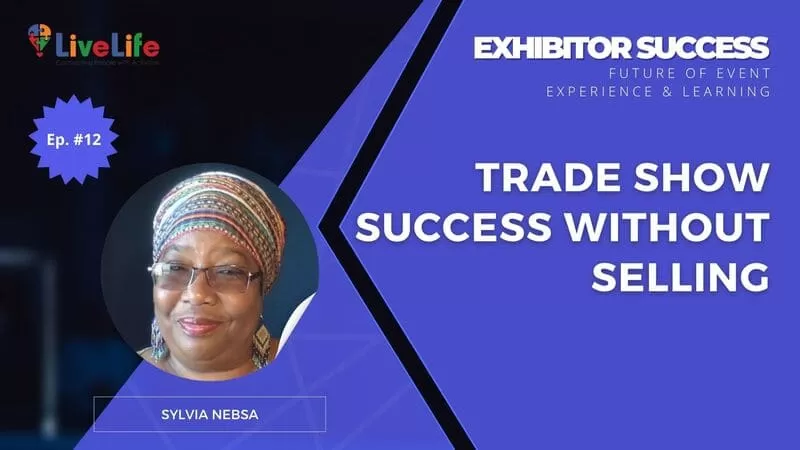
This is the summary based on The FEEL Podcast with Sylvia Nebsa.
They expect a pitch. They expect to be cornered. They expect you to want something from them.
When you approach someone with a "getting" attitude, they can sense it instantly. It changes your body language, your tone, and even your personality. You might find yourself acting like a caricature of a salesperson—stiff, overly enthusiastic, or unnaturally formal.
If you want to hear this moment explained directly, including how that subtle shift in posture can either repel or attract a high-value lead, listen to the raw conversation behind these psychological barriers at The FEEL Podcast.
But here is the counterintuitive truth of the exhibit floor: the less you try to "sell," the more sales you actually make. Learning how to sell at trade shows without being pushy isn't about lowering your goals; it’s about changing your methodology from "taking" to "transacting."
Why "Pushy" Selling Fails in B2B Environments
In a high-stakes trade show environment, pushiness is a defense mechanism for the unprepared. When a team doesn't have a system, they rely on sheer volume and aggressive tactics to justify the booth's cost.
The hidden cost of this approach is significant. You might flag down fifty people, but you leave forty-nine of them with a negative impression of your brand. In B2B sales, where relationships are the primary currency, a "greedy" attitude destroys trust before the conversation even begins.
Most teams get this wrong because they think selling is an activity you do $2 someone. In reality, people love to buy, but they absolutely hate being sold to. When you force a pitch on a passerby, you aren't building a lead; you’re creating an obstacle they have to navigate around.
The "Show, Ask, and Tell" Framework
To master how to sell at trade shows without being pushy, you must adopt a different mindset. Instead of "Selling," focus on a three-part system designed to lower the prospect's guard and invite them into your world.
Show: The Visual Hook
Instead of lead-in lines, let your booth do the initial work. This isn't just about pretty graphics; it’s about a visual demonstration of a problem being solved. When you show something of value—a product in action, a compelling data point, or a live sample—you give the customer a reason to stop that has nothing to do with your sales pitch.
Ask: The Diagnostic Phase
Once a prospect engages with what you’ve shown, your first instinct should be a question, not a statement. You are a consultant, not a barker. By asking about their specific challenges, you shift the power dynamic. You are no longer "pushing" a product; you are "pulling" out a pain point that you might be able to solve.
Tell: The Narrated Solution
Only after you have asked the right questions do you "tell." But you aren't telling them about features; you are telling them how your solution fits the specific context they just gave you. This makes the interaction feel like a personalized consultation rather than a generic broadcast.
Redefining the "Sale" for Small Businesses
For a small business, a trade show is a massive investment. You need to see a return on that capital, and often you need it quickly. This pressure can make "not being pushy" feel like a luxury you can't afford.
However, you can remain adamant about making sales while remaining authentic. The secret is redefining what counts as a sale.
A "sale" is any meaningful transaction where you give the buyer value and they give you something in return. This could be:
- Monetary Transactions: Selling samples or taking wholesale orders on the spot to cover your travel costs.
- Qualified Data: Collecting contact information and specific pain points from a decision-maker.
- Feedback: Gathering market data on a new product or service.
When you view every interaction as a fair exchange of value—a transaction—the "pushy" feeling disappears. You aren't begging for attention; you are offering a solution in exchange for their time or business.
This mindset becomes far more effective when the environment itself invites discovery. A well-designed trade show booth experience makes visitors feel curious, not pressured.
How This Connects to the Bigger System
Effective, non-pushy selling is not an isolated skill. This works best when combined with a full framework of booth design and staff training.
If your booth is designed to "Show," your staff is trained to "Ask," and your collateral is ready to "Tell," the sales happen as a natural byproduct of the environment. You don't have to force it because the system is designed to facilitate visitors to naturally tell & sell to themselves.
If you are currently evaluating how your specific B2B narrative fits within your upcoming exhibition schedule, Mike Gunawan provides an open space for a strategic exchange on aligning brand voice with floor-level execution.
When you stop faking a "salesperson" persona and start engaging as an authentic problem-solver, your energy stays high, your prospects stay engaged, and your conversion rate climbs without you ever having to raise your voice or corner a stranger.

Frequently Asked Questions
Q1: How can I be authentic if IAuthenticity is actually easier for shy people because you don't have to put on a "show." Focus on the "Ask" part of the framework. Being a great listener is the most effective way to sell without being pushy. People appreciate a quiet, expert consultant over a loud salesperson.
Q2: What if my boss expects me to be "aggressive" to get leads?Explain that "aggressive" often leads to low-quality, "junk" leads that never convert. A "system-based" approach focused on qualified transactions ensures that the leads you do bring back are actually ready to do business, providing a much higher ROI on the event spend.
Q3: Can I really make money on the spot at a B2B show?Yes. Many successful exhibitors sell samples or "show specials" to cover their immediate overhead. As long as it is done as part of a service-oriented system, it doesn't feel like a "flea market" tactic—it feels like a convenience for the buyer who wants to test your solution immediately.
Main Article

Related Articles
Banner

Write a comment