
How to Measure Trade Show ROI for B2B Companies
- Lower event costs come from setting specific targets that identify non-profitable shows.
- Faster sales cycles result from prioritizing high-revenue leads over raw badge counts.
- Proven marketing value emerges by connecting every booth conversation to a signed contract.
- Less wasted follow-up time occurs when you filter out unqualified visitors at the booth.
- Reliable revenue forecasts are possible before the show ends using weighted lead values.
- True profitability data is captured by tracking deals through the entire sales cycle.
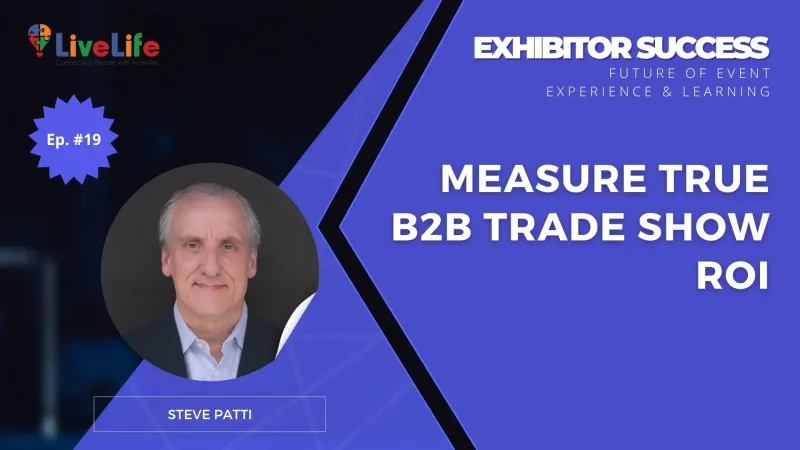
This is the summary based on The FEEL Podcast with Steve Patti.
To stop the "just show up" cycle, you must define exactly how to know if your trade show worked before signing any contracts. Shifting to a strategic approach requires identifying three specific metrics: qualified lead count, cost per meeting set, and niche brand impressions.
Create a simple tracking framework for your sales team:
- Primary Objective: One clear target, such as 15 on-site demos.
- Ideal Visitor Profile: Which specific job titles must scan their badges?
- Total Investment: Calculate booth space, travel, and staff hours.
This structure prevents wasted spend and sets a measurable baseline for success.
Set Your Benchmark Targets Before the Doors Open
With your total investment clearly mapped out, the next step is to define exactly what a "win" looks like for your business.
Avoid the trap of aiming for "more leads." Without specific numbers, you cannot calculate your cost per lead or determine if the event was actually profitable for your bottom line.
Create a Trade Show Performance Checklist
- Quantity: Set a hard target for the total number of badge scans or business cards collected.
- Lead Quality: Define the number of "A-tier" leads that strictly match your ideal customer profile.
- Direct Conversion: Aim for a specific number of on-site product demos or follow-up meetings scheduled during the event.
- Engagement: Track the count of new LinkedIn connections or direct website visits triggered during show days.
Assigning these targets to your booth staff ensures everyone understands their role isn't just to be present, but to hit specific milestones that justify the spend.
This data serves as the foundation for your trade show performance metrics, allowing you to move from guessing to knowing your true impact.
Prioritizing Lead Quality Over Raw Booth Traffic
Once your staff understands their specific targets, the focus shifts from collecting business cards to identifying real business opportunities.
A high volume of booth visitors looks good on a report, but it often masks a lack of actual sales potential.
The solution lies in shifting your perspective toward lead quality scoring, ensuring your post-show data reflects actual revenue potential rather than just foot traffic.
Implementing a Real-Time Qualification System
Effective measurement works because it filters out "tire-kickers" at the point of contact, saving your sales team hours of wasted follow-up time.
- Defined Scoring: Categorizing leads as Hot, Warm, or Cold based on immediate budget or project timelines.
- Instant Context: Capturing the specific pain point that brought the visitor to your booth ensures the follow-up is relevant.
The Impact of Categorizing Sales-Ready Prospects
By prioritizing sales-ready prospects, you create a direct link between the exhibition floor and your CRM’s pipeline value.
This approach transforms your ROI calculation from a vague estimate into a data-driven projection of future earnings based on how to tell if a lead is worth following up.
Shifting Focus From Lead Volume to Weighted Revenue Potential
Connecting these sales-ready prospects to your CRM allows you to move beyond the "stack of business cards" metric. The most effective way to validate your investment is to assign a weighted value to every interaction based on its position in your sales funnel.
This method works because it replaces optimism with probability. By categorizing leads into immediate opportunities, mid-term prospects, and long-term brand awareness, you create a realistic map of your future earnings before the event even ends.
Defining Success Through Quality Tiers
- High-Intent Hot Leads: These are prospects ready for a demo or a proposal, representing immediate pipeline value.
- Information Seekers: These contacts require nurturing but validate your presence as a thought leader in the industry.
- Strategic Partnerships: Non-customer leads that offer long-term value through co-marketing or distribution.
By applying a lead scoring for exhibitions model, you stop guessing which shows were "good" and start seeing exactly which conversations will pay for the booth. This clarity ensures that your post-show efforts are focused on high-impact accounts rather than chasing every badge scan.
Transitioning to a Value-First Scoring Model
Once you stop treating every badge scan as a "win," you can shift your focus to the actual potential revenue sitting in your database.
The solution to measuring performance accurately lies in a weighted scoring system that categorizes leads based on their immediate needs and authority.
Defining Success Through Lead Intent
Instead of just counting names, you look for specific signals that indicate trade show lead quality. A visitor who asks about pricing and implementation is objectively more valuable than one who just wants the free giveaway.
By assigning points to specific behaviors at the booth, your sales team receives a list of priority targets rather than a cold spreadsheet of random names.
The Role of Immediate CRM Attribution
Connecting your booth data to your CRM immediately ensures that ROI isn't just a post-show guess. It creates a digital thread between the physical handshake and the eventual contract.
This allows you to track the journey from a conversation to a closed deal over several months, providing a clear map of which interactions actually converted into revenue.
How to Build a Lead Tracking System That Proves Value
To turn that digital map into actual profit figures, you need a disciplined framework for categorizing every interaction before the event energy fades.
Start by assigning a specific value to every lead before your team leaves the venue floor.
Implement a Three-Tier Lead Scoring System
- Tier A (Immediate): Specific project or budget identified. These require a direct follow-up within 48 hours.
- Tier B (Nurture): Good profile fit, but the buying timeline is 6–12 months out. Tag these for a specific email sequence.
- Tier C (Awareness): General interest or networking. Move these to your long-term brand newsletter.
Audit Your Attribution Model
Once leads are entered into your CRM, tag them with a unique "Event ID." This ensures that when a contract is signed months later, the revenue is automatically linked to the specific trade show.
By comparing your total exhibition spend against this "pipeline value," you can determine how to measure trade show roi for b2b effectively, even before the final deals close.
A Practical Framework to Finalize Your ROI Report
Transitioning from "estimated value" to confirmed revenue requires a disciplined lead tracking system. This ensures no prospect falls through the cracks during the long B2B sales cycle.
To move from theory to execution, follow this three-step verification process for every event:
- Audit the Source: Ensure every lead in your CRM is tagged with the specific event name and year before the sales team begins outreach.
- Categorize Costs: Group your expenses into "Direct" (booth space, logistics) and "Indirect" (staff hours, travel) to find your true break-even point.
- Review at 90 Days: Don't close the book after the show ends. Re-evaluate the pipeline every quarter to capture deals that take months to mature.
Measuring performance this way shifts the conversation from how much you spent to how much you grew. It turns the marketing department into a predictable revenue driver rather than a cost center.
If you are struggling to connect your booth activities to actual bottom-line growth, a structured audit of your exhibition workflow can help. Identifying where your data gaps exist is the first step toward achieving a measurable return on investment.

Frequently Asked Questions
Q1: How do I determine if a trade show was actually profitable for my business?Avoid focusing on total badge scans. Instead, calculate your cost per qualified lead by dividing the total investment—booth space, travel, and staff hours—by the number of high-tier prospects who match your ideal customer profile. This moves your reporting from vague estimates to actual pipeline value.
Q2: Why is high booth traffic often a misleading trade show performance metric?High volume often masks a lack of sales-ready opportunities. Collecting hundreds of business cards from "tire-kickers" inflates numbers but wastes sales resources; success should be measured by the number of on-site demos or follow-up meetings scheduled with decision-makers.
Q3: How should we use lead scoring for exhibitions to prioritize follow-ups?Assign points based on immediate budget, authority, and project timelines. Label leads as Tier A (Immediate), Tier B (Nurture), or Tier C (Awareness) before leaving the floor. This ensures your sales team hits the most valuable prospects within 48 hours while the event energy is still high.
Q4: How can I accurately measure trade show ROI for B2B when deals take months to close?Use immediate CRM attribution by tagging every lead with a specific Event ID. Conduct a pipeline audit at 90 and 180 days post-show to link closed-won revenue back to the original booth interaction, transforming the event from a cost center into a documented revenue driver.
Q5: What is the most effective way to stop the "just show up" cycle at events?Set hard benchmark targets before signing any contracts. Define exactly how many qualified badge scans, niche brand impressions, and direct website visits are required to hit a break-even point based on your total investment and average deal size.

Banner

Write a comment