
B2B Event Marketing Playbook: From Booth Traffic to Revenue

- Unified sales and marketing pipelines stop high-value prospects from falling through the cracks.
- Intent-based filtering ensures closers focus only on decision-makers ready to buy.
- Private meeting environments build trust faster than noisy floor displays to close deals.
- Real-time CRM syncing prevents data loss and saves thousands in potential pipeline value.
- Immediate automated follow-ups turn brief handshakes into trackable sales opportunities before interest fades.
- Accurate revenue tracking proves how much money your event actually adds to the bank.
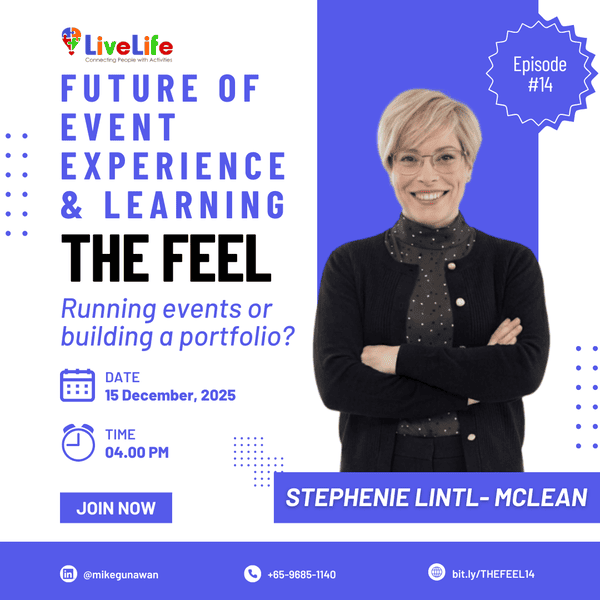
This is the summary based on The FEEL Podcast with Richard Erschik.
Most B2B companies treat trade shows as expensive branding exercises rather than high-velocity revenue engines. This B2B event marketing playbook exposes the structural gaps between marketing effort and sales results.
Without a robust event lead management strategy, your team captures "handshakes" that never enter the CRM, wasting thousands in potential pipeline. To stop the leak, you must shift from counting badges to tracking velocity. It starts by redefining success before the booth crate even ships. But how do you tell if a lead is actually worth following up?
Why Your Event Leads Die Before the Follow-Up
Most trade show failures aren't caused by bad booth design or low foot traffic. The real damage happens when sales and marketing operate in silos, creating an invisible wall that stops prospects from converting.
When these teams don't talk, high-value prospects inevitably fall through the cracks of a disjointed lead management workflow.
Is Your Team Ignoring These Sales and Marketing Disconnect Signs?
Look for mismatched success metrics that prioritize lead volume over actual revenue. If marketing celebrates 500 scans while sales sees zero leads worth following up, your system is broken.
- Narrative friction occurs when teams use different lead definitions for the same event.
- Lead handoff friction results in "dead on arrival" exhibition prospects.
Implementing B2B Smarketing Best Practices for Unified Growth
A winning B2B event marketing playbook starts with a unified pipeline established before the event begins. A shared dashboard is the only way to eliminate friction and stop post-event lead loss.
You must use intent-based qualification to bridge the gap between marketing effort and sales quotas. But even with alignment, how do you ensure the right data is being captured in the heat of the moment?
Why Foot Traffic is a Vanity Metric in Your B2B Event Marketing Playbook
Counting badges scanned is a dangerous way to measure success because it confuses raw activity with actual pipeline growth.
To stop wasting budget, you must pivot to a high-intent model that prioritizes commercial value over floor volume.
Setting Strategic Trade Show Goals for Better Marketing ROI
Shift to a multi-layered framework that assigns specific financial value to every floor interaction instead of just counting heads.
Benchmark competitive intelligence alongside lead generation to how to know if your trade show worked beyond simple scans.
A standardized post-show scoring system is essential for measuring pipeline velocity and justifying high exhibition costs.
Are Effective Alternatives to Expensive Trade Show Floor Booths Right for You?
Evaluate replacing high-noise booth environments with exclusive, pre-booked private meeting suites for high-intent engagement.
Off-site brand activations often foster deeper trust and relationship acceleration than traditional, crowded floor displays.
Low-distraction environments help you quickly determine how to tell if a lead is worth following up before the event ends.
While these alternatives provide higher signal, the mystery remains: why do most qualified leads go cold within 48 hours?
Building Your High-Performance Booth Staffing Strategy
A beautiful booth attracts visitors, but only a trained team converts them into revenue. Without clear roles, your best sales people waste time on casual browsers instead of high-value prospects.
Mapping specific responsibilities ensures every interaction moves the needle within your b2b event marketing playbook. This prevents the common trap of "booth duty" becoming a passive exercise.
Mapping Sales and Marketing Roles for Trade Shows: Who Does What?
Adopt the Specialized Tier model to eliminate friction. Marketing Connectors act as filters, greeting everyone and identifying their current research phase.
- Marketing Connectors: Initial engagement and intent filtering.
- Product Advisors: Technical education and deep-dive demonstrations.
- Sales Closers: Final qualification and setting post-event appointments.
This structure prevents lead leakage and ensures your technical experts aren't stuck answering basic "what do you do" questions.
How to Train Sales Team for Exhibitions to Prioritize High-Value Leads
Move your team from passive waiting to active 10-second value pitches. Speed is critical in a crowded hall where attention is the primary currency.
Implement ABC categorization to tag leads in real-time. This high-speed protocol ensures your closers focus 100% of their energy on "A" leads, leaving automation to handle the rest.
But even the best team can't win if they aren't capturing data correctly for the next stage of the funnel.
Building an Exhibition Lead Management Workflow That Stops Data Loss
Manual entry is the silent killer of event ROI. Waiting weeks to process spreadsheets often results in a 40% loss in lead value.
A high-performance exhibition lead capture system turns physical handshakes into trackable digital opportunities before your team even leaves the floor.
Eliminate manual data entry by utilizing real-time CRM integration
Sync mobile scanners directly to your CRM to capture behavioral context while the prospect is still present.
Trigger immediate, prioritized follow-ups based on real-time data synchronization
Automate personalized emails the moment a badge is scanned to maximize your speed to lead advantage.
Infrastructure to transition physical booth interactions into digital sales pipelines
Map booth touchpoints to CRM stages to bridge the gap between a handshake and a discovery call.
The 24-Hour Rule: Optimizing Your Exhibition Lead Handoff Process
Sales teams must receive "hot" data within 24 hours to capitalize on initial event momentum and interest.
Implement a tiered qualification framework for actionable, high-intent data
Score leads instantly to separate casual browsers from decision-makers who are ready for a product demo.
Standardize lead capture to ensure no prospect is left without a clear next step
Every scan requires a defined next step and specific notes to prevent wasted marketing investment. But how do you ensure your sales team actually executes the follow-up script?
Turning Event Data Into Revenue: The Post-Show Action Plan
Most B2B marketers stop at counting business cards, but the real work begins when the booth is packed away. You need to prove how those handshakes translate into actual bank deposits.
This stage of your B2B event marketing playbook focuses on moving from vanity metrics to hard revenue data that your stakeholders actually care about.
How to Measure Trade Show ROI for B2B Beyond Raw Lead Volume
Stop treating every lead the same. Shift to a weighted scoring system that tracks pipeline value and lead velocity, showing how fast event leads move compared to cold outreach.
Which Event Marketing ROI Formulas Actually Predict Revenue?
Calculate deal acceleration and multi-touch impact using a clear event attribution model. This proves your event influenced the deal even if it wasn't the first or last touchpoint before closing.
How to Re-Engage Cold Leads in Salesforce Without Being Spammy
Use Salesforce automation to trigger personal, value-based content based on specific booth conversations. This reactivates stagnant prospects without the friction of generic, high-pressure sales follow-ups.
However, even the best automation fails if your sales team isn't aligned on the "why" behind the data—leaving one critical gap in your final conversion numbers.
Turning your b2b event marketing playbook into a profit center
The difference between a cost center and a profit center is a structured process.
Stop treating trade shows as a branding exercise and start viewing them as a revenue driver.
Success requires aligning your teams on lead definitions before the event begins.
Use automated data capture to replace manual clipboards and prevent lead leakage after the show.
Focus on measuring what matters, such as pipeline value, rather than just booth footfall.
Implementing event ROI tracking allows you to see which handshakes actually turn into signed contracts.
By following this system, you transform your presence from a high-cost gamble into a predictable sales engine.
However, even the best data won't save you if you miss the critical 48-hour follow-up window...

Frequently Asked Questions
Q1: How can you tell if a lead is actually worth following up?Use intent-based qualification by assigning ABC tiers at the booth. An "A" lead identifies a specific project and timeline, while a "C" lead is only gathering general information. This prevents sales from wasting time on low-intent scans that never enter the revenue pipeline.
Q2: Why do leads go cold even when using a B2B event marketing playbook?Leads die due to lead handoff friction and delayed data entry. If your strategy lacks real-time CRM integration, the momentum of the floor interaction is lost. High-performance teams trigger automated, personalized follow-ups within 24 hours to capitalize on initial event interest.
Q3: What are the most common mistakes in a B2B lead management strategy?The biggest failure is prioritizing lead volume over pipeline velocity. Capturing hundreds of badge scans without behavioral context or defined next steps results in "dead on arrival" prospects that sales teams eventually ignore due to lack of actionable data.
Q4: How do you measure trade show ROI for B2B beyond raw lead volume?Shift to a multi-layered framework that tracks deal acceleration and multi-touch attribution. Instead of raw counts, calculate how the event influenced the speed of existing deals in the funnel and the total financial value of new pipeline generated compared to exhibition costs.
Q5: How does a B2B event marketing playbook eliminate the sales and marketing disconnect?It establishes a unified pipeline with shared definitions of a "qualified lead" before the event begins. Implementing a specialized staffing model—where marketing filters initial intent and sales handles high-value closings—prevents prospects from falling through the cracks of disjointed workflows.
Q6: What is the most effective way to re-engage cold event leads in Salesforce?Use CRM automation to trigger value-based content sequences mapped to specific booth touchpoints. Sending technical education or a product demo related to a prospect’s recorded pain point is more effective than generic "checking in" emails which create narrative friction.
Banner
Write a comment