
Qualifying Trade Show Leads After the Event Ends
- Increased revenue results from rapid sorting that keeps booth conversations and data fresh.
- Saved sales hours result from filtering swag hunters out of your follow-up list.
- Higher conversion rates come from pitching only to verified decision-makers with budget authority.
- Faster deal cycles result from identifying prospects who respond to your follow-up emails immediately.
- Reliable sales pipelines are built by separating real buyers from polite window shoppers.
- High-value deals stay active when marketing and sales agree on lead qualification standards.
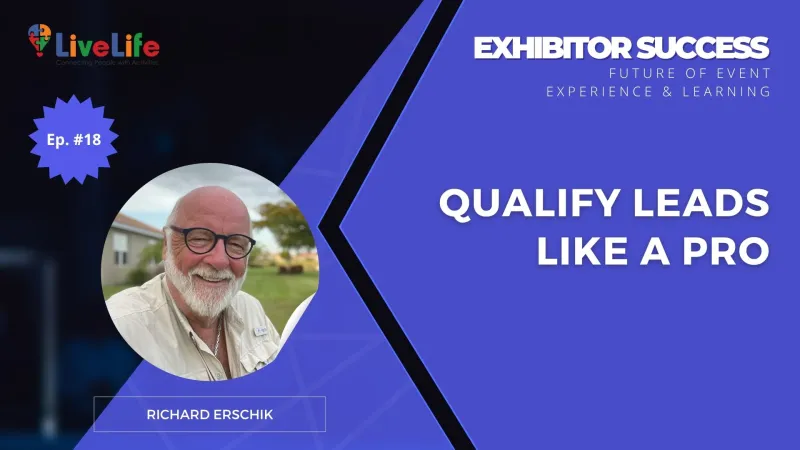
This is the summary based on The FEEL Podcast with Richard Erschik.
To turn a pile of business cards into revenue, you need a structured trade show lead qualification process that begins within 24 hours of the show closing.
Start by categorizing every contact into three immediate buckets:
- Standardize: Move handwritten notes and business card scans into your CRM immediately to prevent data loss or fading memory.
- Segment: Separate "swag hunters" from those who asked specific technical or pricing questions during the event.
- Score: Assign priority based on the visitor’s decision-making authority and the project timeline they mentioned at the booth.
How to Verify Lead Quality After the Show Ends
Once you recognize that show-floor data is often inflated, you need a systematic way to filter the noise.
This validation process moves you from a stack of business cards to a list of genuine sales opportunities.
Validate authority through digital research
Don't take "I'm the decision-maker" at face value during the post-event rush.
Cross-reference your booth notes with LinkedIn profiles to see if their actual title matches the authority level needed for your solution.
If a lead claimed to be a "Head of Procurement" but their profile shows an entry-level role, adjust their priority tier immediately.
Deploy a "Truth-Check" email
The easiest way to spot a "swag hunter" is to ask for a small, non-monetary commitment.
Send a personalized follow-up that references a specific technical or pricing question they asked at the booth.
Genuine prospects will engage with the detail; those who only wanted the giveaway will likely ignore the message.
Score leads by response velocity
Track how quickly a contact responds to your first post-show outreach.
Leads who reply within 48 hours demonstrate a higher level of project urgency than those who wait weeks.
Use this "response velocity" as a primary filter for your sales team’s daily call list.
The High Cost of Chasing Every Business Card
While response velocity helps you spot urgency, relying on speed alone creates a dangerous illusion of a healthy pipeline. If you treat every fast responder as a "hot lead" without deeper validation, you end up paralyzing your sales team with low-quality busywork.
Misidentifying Current Usage and Pain
Without knowing what a prospect currently uses, your team enters calls blind. You waste hours pitching to companies that are locked into long-term contracts or have no actual problem to solve, leading to high wasted sales effort.
The Trap of Indefinite Timelines
High response speed doesn't always equal a high-intent buyer. Many "urgent" responders are simply efficient researchers. Without a confirmed timeline, your pipeline becomes inflated with cold leads who have no intention of buying this year.
Wasted Energy on Non-Decision Makers
It is easy to mistake enthusiasm for authority. Your sales reps can spend weeks nurturing a lead, only to eventually discover the contact is a "window shopper" with zero influence over the budget or final project approval.
Why Initial Lead Rankings Often Fail After the Show
The energy of a trade show floor creates a distorted reality. At the booth, every conversation feels like a win because the environment is designed for high-speed engagement and social politeness.
However, qualifying trade show leads after the event ends often reveals a significant gap between booth enthusiasm and actual business intent.
The "Event High" vs. Office Reality
During the exhibition, visitors are in "discovery mode." They are happy to scan badges and discuss possibilities without considering their internal budget cycles or technical constraints.
Once they return to their desks, the immediate pressure of their daily workload takes over. The lead that seemed "hot" on Tuesday afternoon often lacks the organizational backing to move forward on Monday morning.
The Disconnect Between Marketing and Sales
- Marketing focuses on volume: Success is often measured by the total number of badges scanned and general interest.
- Sales focuses on friction: Success is measured by the depth of the budget, the timeline, and the actual authority of the contact.
Without a validation phase, your sales team inherits a list of names rather than a pipeline of opportunities. This misalignment is why most post-show follow-ups stall before the first formal demo even occurs.
How to Build a Post-Show Lead Scoring Framework
To stop the "demo stall," you need a specific workflow that separates high-intent buyers from casual booth visitors. This happens during the first post-show touchpoint.
Instead of a generic "thank you" email, use this three-tier qualification framework to categorize your list before it hits the CRM:
Tier 1: The Fast-Track Leads
These are prospects who identified a specific pain point and a clear timeline during the show.
- Action: Schedule an immediate discovery call.
- Indicator: They mentioned a budget or an active project.
Tier 2: The Information Seekers
These leads are interested but lack urgency. They need more education before a sales pitch.
- Action: Add to a targeted email nurture sequence.
- Indicator: They asked for case studies or technical specs.
Tier 3: The "Swag" Collectors
These are the leads who only scanned their badge for a giveaway or prize draw.
- Action: Move to a general newsletter or archive.
- Indicator: No clear business problem identified; low engagement during follow-up.
Filter Your Leads Using a Post-Show Scoring Framework
Once you recognize that not every badge scan is a buyer, you need a systematic way to filter the noise. This prevents your sales team from wasting time on dead-end conversations.
The Three-Tier Sorting Method
Apply this framework to every contact within 48 hours of the show ending to ensure your follow-up matches their actual level of interest.
- Tier A (The Fast Track): Leads who requested a quote, scheduled a demo, or confirmed a budget. These go directly to Sales for a 1-on-1 response.
- Tier B (The Nurture Track): Leads who showed interest in your product but do not have an active project yet. Add these to a specific educational email sequence.
- Tier C (The Archive): General inquiries, students, or competitors. Move these to your general monthly newsletter to maintain brand awareness without manual effort.
By categorizing leads this way, you ensure that high-value prospects get the immediate attention they expect while keeping your database clean and manageable.
The Hidden Cost of Chasing Low-Quality Booth Scans
Even with a structured newsletter system, your sales team will still struggle if the initial data is flawed. The most common mistake is prioritizing quantity over intent, leading to a CRM filled with "ghost leads" that look promising on paper but never convert.
Many exhibitors fall into the trap of the freebie hunter. These are visitors who gladly scan their badges in exchange for a branded notebook or a lucky draw entry, but have zero professional need for your service. They aren't leads; they are data noise.
The Psychology of the Polite Lie
In the high-energy environment of a trade show, B2B buyers often use "polite lies" to exit a conversation gracefully. They might promise a follow-up or claim they have a "major project coming up" just to avoid a long-winded sales pitch on the spot.
If your staff didn't filter these interactions in real-time, you are left trying to qualify trade show leads after the event ends using misleading notes. This creates a massive bottleneck where high-value prospects are ignored while your sales reps waste weeks calling people who never actually intended to buy.
How To Fix Your Post-Event Follow-Up Strategy
To stop the cycle of wasted sales hours, you need a triage system that separates real intent from polite conversation the moment you get back to the office.
Follow this checklist to clean up your database and prioritize the right conversations:
- Categorize by intent: Tag leads as "Immediate Need," "Future Research," or "General Interest" based on their specific questions, not just their job title.
- Audit the notes: If a lead note is blank or generic, move it to a low-priority automated email sequence rather than a direct sales call.
- Standardize the hand-off: Ensure sales and marketing agree on exactly what a "qualified lead" looks like before the first follow-up email is sent.
Refining how you handle data after the doors close is the only way to protect your exhibition investment and improve your post-event follow-up strategy.
If your team is consistently struggling to turn booth visits into revenue, it might be time to look at your lead capture framework. A structured review of your current workflow can help identify the specific gaps where high-value prospects are falling through.

Frequently Asked Questions
Q1: How do I distinguish genuine buyers from "swag hunters" during post-show follow-up?Deploy a "Truth-Check" email that references a specific technical or pricing detail discussed at the booth. Genuine prospects will engage with the specific query, while those who only wanted a giveaway will likely ignore the message. Additionally, track response velocity; leads who reply to your first outreach within 48 hours demonstrate much higher project urgency than those who wait weeks.
Q2: What is the most common mistake in the trade show lead qualification process?The biggest error is treating every badge scan as a "hot lead" based on booth enthusiasm. The "event high" creates a distorted reality where visitors are polite but lack actual budget or authority. Failing to validate leads through digital research or a three-tier scoring framework before handing them to sales results in a CRM filled with "ghost leads" that never convert.
Q3: How can I verify if a lead actually has decision-making authority?Never take a booth visitor's self-reported title at face value. Cross-reference your notes with LinkedIn profiles to ensure their actual role matches the authority level required for your solution. If a lead claimed to be a "Head of Procurement" but holds an entry-level position, downgrade their priority tier immediately to prevent your sales team from wasting time on a non-decision maker.
Q4: How do I prioritize my sales teamCategorize every contact into three tiers within 24 hours of the show. Tier A includes "Fast-Track" leads who requested quotes or demos; these go to sales for immediate 1-on-1 follow-up. Tier B consists of "Information Seekers" who need educational nurture sequences. Tier C is for "Swag Collectors" and general inquiries, which should be moved to an automated newsletter to maintain brand awareness without manual effort.
Q5: Why do leads that seemed "hot" at the booth often stall after the event?This "demo stall" happens because visitors are in discovery mode during the show but return to the reality of daily workloads and budget constraints at the office. Without a post-show validation phase to bridge the gap between marketing volume and sales friction, your team inherits a list of names rather than a pipeline of genuine opportunities.

Banner
Write a comment