
Strategies to Improve Trade Show Exhibitor Satisfaction

- Faster sales follow-ups happen when teams agree on lead quality before the show starts.
- Higher revenue pipelines grow faster by ignoring freebie hunters to focus on high-intent buyers.
- Better conversion rates occur when instant categorization prevents high-value prospects from being lost.
- More discovery calls are booked by sending follow-up materials while the conversation is still fresh.
- Guaranteed meetings with decision-makers ensure your booth time results in actual signed contracts.
- Increased response rates come from referencing specific pain points instead of generic email templates.
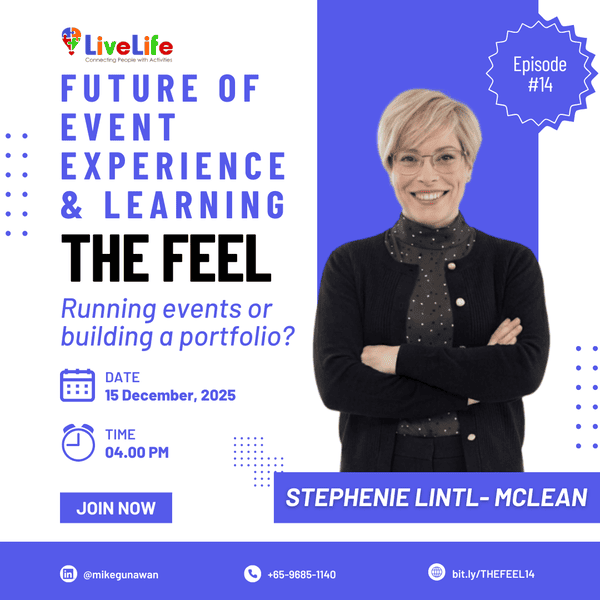
This is the summary based on The FEEL Podcast with Kuan Yan Tan.
To stop the cycle of low satisfaction, you must change how you define a "good" show. Instead of waiting for the organizer to bring people, take control by setting specific trade show goals before the doors open.
Follow this framework to align your team for better outcomes:
- Define "Qualified": Agree on exactly what a high-value lead looks like for your sales team.
- Set Volume Targets: Decide how many deep-dive conversations you need to justify the investment.
- Assign Ownership: Ensure every staff member knows their specific metric for success.
Bridging the Gap Between Lead Volume and Quality
Once ownership is assigned, the next hurdle is ensuring that the leads collected actually satisfy the sales team’s expectations. High exhibitor satisfaction stems from a mutual agreement on lead qualification criteria before the doors even open.
A unified lead scoring system works because it removes subjectivity from the evaluation process. Instead of marketing celebrating high volume while sales complains about low intent, both teams operate under a single definition of success.
Why a Shared Scorecard Increases Satisfaction
- Reduces Post-Show Friction: When sales helps define the criteria, they are more likely to commit to the follow-up process.
- Validates Marketing Efforts: Marketing can prove they delivered the specific types of high-value profiles that sales requested.
- Optimizes In-Booth Time: Staff stop chasing every badge scan and focus on visitors who meet the pre-defined "hot lead" profile.
This alignment transforms the trade show from a general branding exercise into a high-precision sales tool. When everyone agrees on what a "good" lead looks like, the perceived ROI of the event increases for every department involved.
Moving Beyond Booth Traffic to High-Value Engagement
Shifting the focus from total visitor count to engagement quality is the most direct way to improve exhibitor satisfaction.
When your team stops chasing every person with a badge, they can dedicate their energy to the 10% of attendees who actually have a project or a budget.
The Power of Pre-Qualified Interactions
Focusing on high-intent visitors ensures that the post-show pipeline is filled with actionable opportunities rather than dead-end contacts.
This approach works because it reduces "booth fatigue" and gives your sales team confidence that their time on the floor will result in real revenue.
Why Audience Alignment Drives Long-Term Success
Satisfaction stems from seeing a clear path to a deal, which only happens when the visitors in your booth mirror your ideal customer profile.
By treating the trade show as a precision tool for meeting specific decision-makers, the event stops being an expense and starts being a strategic asset.
Turning Foot Traffic Into High-Value Business Outcomes
High satisfaction isn't found in a crowded aisle; it is found in the quality of the conversations happening inside the booth.
When organizers and exhibitors prioritize pre-qualified matchmaking, the event dynamic changes from a game of chance to a series of strategic appointments.
Prioritizing Quality Over Quantity
High-performing exhibitors find success by focusing on "intent" rather than "volume." This works because it reduces noise and allows sales teams to focus energy on prospects ready to buy.
- Hosted Buyer Programs: These ensure that visitors walking the floor have the budget and authority to make decisions.
- Digital Matchmaking Tools: AI-driven platforms bridge the gap between an exhibitor’s product and a visitor’s specific pain point before they even meet.
- Pre-Show Visibility: Creating early digital touchpoints ensures that the "right" people are looking for your booth number specifically.
By shifting the focus toward these targeted interactions, the trade show stops being a gamble and becomes a reliable engine for building a high-intent pipeline.
Why High Foot Traffic Often Fails to Move the Needle
Even when your pre-show marketing works and the right people arrive, the on-site experience often descends into chaos. Without a rigid process for engagement, the booth becomes a hub for passive interactions rather than strategic discovery.
The Hidden Cost of Shallow Engagement
One of the most common lead qualification mistakes is prioritizing quantity over depth. When staff focus on handing out brochures or scanning every badge for the sake of "hitting targets," they miss the chance to identify high-value prospects.
- Freebie hunters consume time that should be spent on decision-makers.
- Lack of discovery means you have a database of names but zero context on their pain points.
Why Leads Go Cold Before You Leave the Venue
A major gap in satisfaction occurs when the momentum stops the moment the hall lights turn off. When there is no system for immediate data entry or categorization, interest fades instantly. By the time a follow-up happens, the prospect has already moved on, turning a potential win into cold leads that never convert.
Implementing a Real-Time Lead Management Workflow
Closing the gap between a handshake and a closed deal requires a structured system that functions while the event is still live.
To prevent prospects from cooling off, exhibitors need a repeatable framework that moves data from the booth to the sales CRM without manual delay.
Standardize the Data Capture Process
- Digital Lead Scanning: Replace paper business cards with mobile scanning apps that allow for instant notes and context.
- Mandatory Tagging: Every lead must be categorized as "Hot," "Warm," or "Cold" before the visitor leaves the booth area.
- Specific Qualifying Questions: Train staff to ask about budget and timeline, recording these details immediately within the capture tool.
Automate the First Touchpoint
Immediate engagement is one of the most effective strategies to improve trade show exhibitor satisfaction and long-term lead conversion rates.
- The 2-Hour Rule: Set up an automated email trigger that sends a "Thank you for visiting" note within two hours of scanning a badge.
- Resource Sharing: Include a direct link to the specific product deck or case study discussed during the booth visit.
- Calendar Integration: Provide a link for the prospect to book a follow-up discovery call while the conversation is still fresh in their mind.
How to Build a High-Response Follow-Up Framework
Once you have aligned your KPIs and analyzed the performance data, the final step to ensuring trade show exhibitor satisfaction is the speed and relevance of your post-show response.
A lead is most valuable when the conversation is still fresh. Use this checklist to close the loop effectively and maintain the momentum built during the event:
- Deliver Immediate Value: Send the specific product deck or case study discussed at the booth within 24 to 48 hours while your brand is top-of-mind.
- Remove Scheduling Friction: Provide a direct link to your calendar for a discovery call, allowing the prospect to choose a time without back-and-forth emails.
- Contextualize the Outreach: Reference a specific pain point mentioned during the booth visit to prove you were listening, rather than sending a mass template.
The gap between a high-traffic show and a profitable one usually lies in these final touchpoints. If your follow-up feels generic, your lead conversion will stall regardless of how many badges you scanned.
If you are looking for a clearer way to map out your next exhibition strategy or need a structured framework to measure these results, we can provide a roadmap to help organize your approach for the next quarter.

Frequently Asked Questions
Q1: What is the primary cause of low trade show exhibitor satisfaction?Low satisfaction typically stems from a lack of pre-defined goals and a focus on general foot traffic rather than lead quality. When exhibitors fail to define what a qualified lead looks like before the event, they end up with a high volume of low-intent contacts that fail to convert, leading to a perceived lack of ROI and friction between sales and marketing teams.
Q2: How can exhibitors prevent trade show leads from going cold?To maintain momentum, implement a real-time lead management workflow. Use digital scanning apps for instant categorization and follow the 2-hour rule by sending an automated, personalized follow-up email within two hours of the interaction. This ensures your brand remains top-of-mind while the prospect is still navigating the event floor.
Q3: Why is a shared lead scoring system critical for event success?A shared scorecard removes subjectivity between marketing and sales departments. When both teams agree on qualification criteria before the doors open, it ensures sales commits to the follow-up process and allows marketing to prove they delivered the high-value profiles requested. This alignment transforms the booth from a branding exercise into a precision sales tool.
Q4: What is the most effective way to improve trade show exhibitor satisfaction?The most direct way to improve satisfaction is shifting the focus from total visitor count to high-value engagement. By prioritizing quality over quantity and using matchmaking tools to connect with decision-makers who have an active budget, exhibitors transform the event from a gamble into a reliable engine for building a high-intent pipeline.
Q5: What are the common mistakes made during in-booth lead qualification?The biggest mistake is prioritizing badge scan volume over discovery depth. Staff often waste time on freebie hunters instead of identifying the 10% of attendees with decision-making authority. To fix this, use mandatory tagging for every lead and train staff to ask specific questions about budget and timeline before the visitor leaves the booth.

Banner
Write a comment