
B2B Exhibition Engagement Best Practices: Dos & Donts for Maximum ROI
-
Maximizing a major B2B exhibition investment requires booth staff to transition from aggressive product pitching to a structured, people-first engagement strategy.
-
Building deep psychological trust involves a willingness to genuinely help visitors—even by cross-promoting complementary booths or guiding them to relevant educational sessions.
-
On-site success relies on actively diagnosing where a visitor sits in their buying journey, whether they are simply browsing innovations or preparing for an immediate purchase.
-
Falling into a linear, transactional trap by skipping relationship-building directly results in lower post-event conversions and highly forgettable brand interactions.
-
Strategic alignment and pre-event planning between show organizers and exhibitors are critical to optimizing visitor flow and ensuring overall attendee success on the floor.
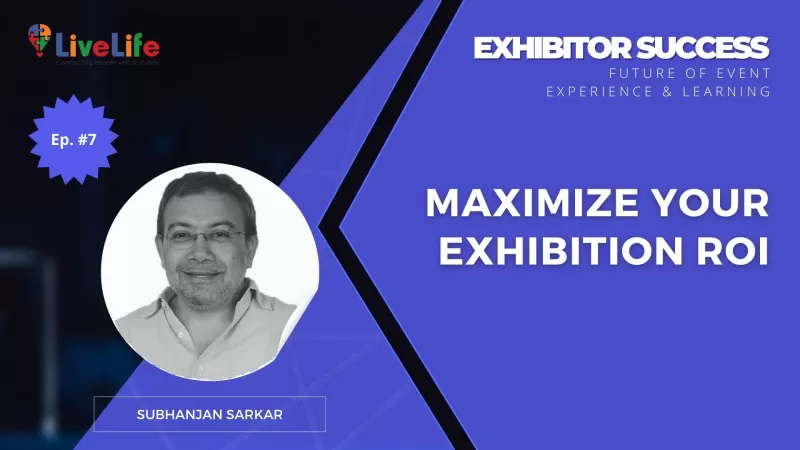
This is the summary based on The FEEL Podcast with Subhanjan Sarkar.
Sponsoring a B2B exhibition booth is a major investment. Beyond renting space and building the booth, companies must assign staff to manage interactions effectively. But what separates average from exceptional B2B exhibition engagement best practices?
According to Subhanjan Sarkar during The FEEL: Future of Event Experience & Learning podcast, the secret is simple yet challenging: give a warm welcome, make visitors feel heard, and earn their trust.
Companies that apply structured B2B exhibition engagement best practices are far more likely to build trust and maximize booth ROI.
Giving Visitors a Genuine Experience
Subhanjan emphasizes, "Our ability and willingness to help visitors, even if they are not our customer, builds trust. I would even map the entire exhibition to guide them on which booths or sessions to attend."
This approach goes beyond self-interest. Exhibitors who co-promote complementary booths or introduce visitors to helpful sessions create a memorable experience. Visitors remember the interaction long after the event ends.
This people-first mindset is one of the most important B2B exhibition engagement best practices, creating long-term connections beyond the booth.
Understanding Visitor Objectives
A key part of B2B exhibition engagement best practices is understanding why visitors attend and where they are in the buying journey:
- Browsing the latest innovations
- Planning a purchase in the next 6 months or later
- Ready to buy immediately
Knowing this allows exhibitors to:
- Identify target audience and project booth ROI.
- Track who passes by and optimize engagement strategy.
- Customize conversations based on visitor readiness and product interest.
Insights can be gathered through organizer-provided data or in-booth conversations. Without genuine interest, exhibitors risk leaving visitors feeling unwelcome and disengaged.
Exhibitors who align their approach with visitor readiness are directly applying effective B2B exhibition engagement best practices that drive conversions.
Avoiding the Transactional Trap
Subhanjan highlights a common mistake: many B2B sales professionals view visitor interaction as a linear transaction. They skip relationship-building to jump straight into pitching, often resulting in lower sales and weaker connections.
True engagement requires time to understand visitor needs, offer recommendations, and even introduce them to others who can help. Exhibitors who embrace collaboration over transaction see far higher ROI and lasting relationships.
Avoiding a purely transactional mindset is central to B2B Exhibition Engagement Best Practices, ensuring conversations lead to relationships rather than short-term pitches.
Aligning Organizers and Exhibitors
The dynamics are similar between organizers and exhibitors. Without alignment, booths may suffer from mismanaged visitor flow and missed opportunities. Effective B2B exhibition engagement best practices involve collaboration, pre-event planning, and a focus on attendee success from start to finish.
Closing Thoughts
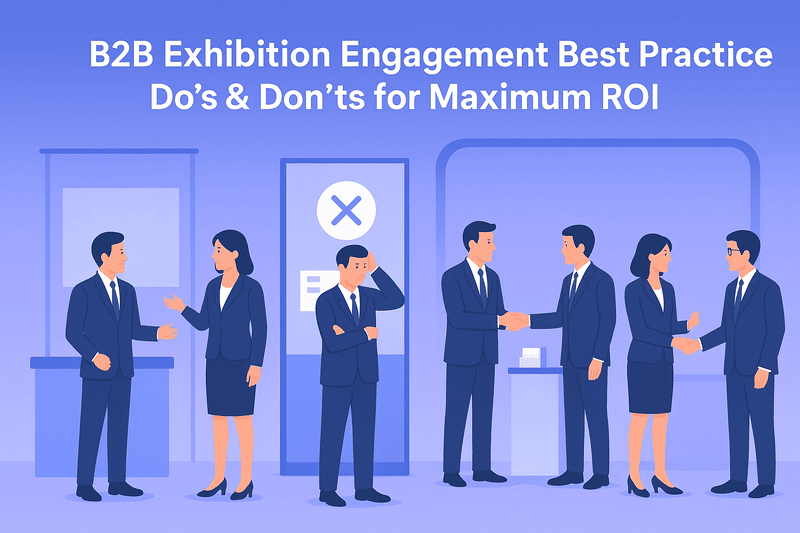
Exhibitors who prioritize genuine connection over immediate selling create memorable experiences that translate into meaningful business results.
Exhibitors who consistently implement B2B exhibition engagement best practices gain stronger brand perception and higher long-term ROI.
Best practices don't end at the booth—they extend into how you follow up leads after the exhibition.
Watch the conversation on The Feel Podcast.
Need personalized guidance on B2B exhibition engagement best practices?
Follow Mike Gunawan on Linkedin.

Frequently Asked Questions
Q1: What are the foundational B2B exhibition engagement best practices that separate exceptional booth teams from average ones?Exceptional B2B exhibition engagement relies on providing a warm welcome, making visitors feel genuinely heard, and focusing on relationship cultivation rather than immediate sales. Instead of forcing a generic product script, top-performing booth teams actively listen to attendee challenges and offer objective, value-driven recommendations that build long-term corporate credibility.
Q2: How does helping out-of-market trade show visitors build trust and maximize overall booth ROI?Helping out-of-market visitors maximizes ROI by establishing your brand as a selfless, trusted industry authority on the exhibition floor. Strategically guiding attendees to relevant educational sessions or introducing them to complementary booths creates an unforgettably positive experience, ensuring your company remains top-of-mind when those prospects eventually enter the buying market or generate referral opportunities.
Q3: Why must booth staff identify where a trade show visitor sits in their buying journey during a live interaction?Identifying a visitor's position in the buying journey allows booth staff to customize their conversation style based on real-time readiness and specific product interest. Recognizing whether an attendee is merely browsing new innovations, planning a purchase within six months, or ready to buy immediately prevents mismatched communication, saves valuable staff time, and protects visitors from feeling pressured or unwelcome.
Q4: What is the transactional trap in exhibition sales, and how can exhibitors actively avoid it?The transactional trap occurs when sales professionals treat dynamic booth interactions as rigid, linear transactions by jumping directly into a product pitch before building rapport. Exhibitors can avoid this costly mistake by allocating time to uncover visitor needs, offering tailored strategic insights, and embracing a collaborative mindset that prioritizes forming a human connection over closing a short-term deal.
Q5: How does operational alignment between event organizers and exhibitors impact trade show performance?Operational alignment between organizers and exhibitors ensures optimized visitor traffic flow, prevents mismanaged floor logistics, and eliminates missed lead opportunities. Collaborative pre-event planning and shared data wising allow both parties to design a cohesive, attendee-centric environment that systematically supports buyer success from the opening keynotes to the final post-show follow-up.
Main Article
Related Articles
Banner
Write a comment