
Best Practices for Trade Show Hosted Buyer Programs
- Lower travel costs result from vetting buyers based on real purchasing power and budget.
- Guaranteed exhibitor face-time happens when travel perks are tied to a mandatory meeting schedule.
- Faster supplier vetting occurs when buyers stay stationary and exhibitors rotate through timed meetings.
- Higher lead quality is maintained by manually filtering out visitors without active project timelines.
- Shorter sales cycles result from prioritizing one-on-one sessions with high-value, ready-to-buy prospects.
- Stronger exhibitor retention comes from delivering a pre-qualified pool of buyers with verified authority.
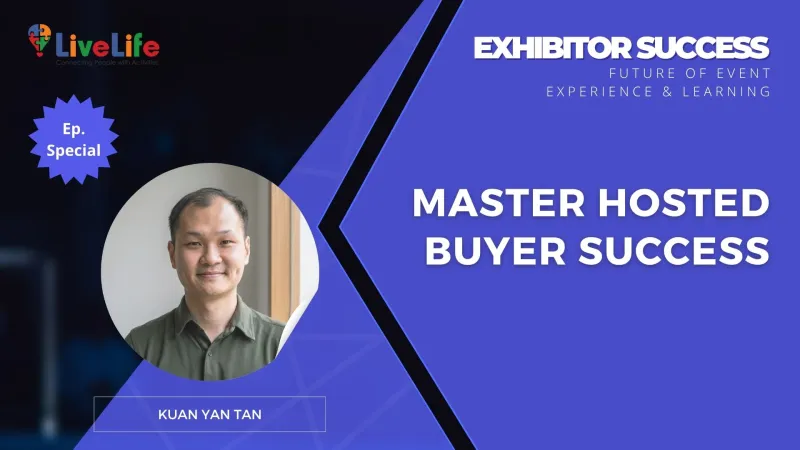
This is the summary based on The FEEL Podcast with Kuan Yan Tan.
Build a qualification framework that filters out tourists - To stop wasting budget on passive visitors, you must implement a rigorous vetting process before any travel is booked.
This ensures your exhibitors meet with individuals who have the authority and intent to sign contracts.
Start by applying these three non-negotiable qualification criteria to every applicant:
- Verified Purchasing Power: Require applicants to disclose specific budget ranges or procurement data from the previous 18 months.
- Decision-Maker Status: Limit acceptance to C-level executives, department heads, or procurement leads with final sign-off authority.
- Sourcing Alignment: Only approve buyers whose current project needs match the product categories of at least five confirmed exhibitors.
By enforcing these filters early, you transform the program from a generic VIP junket into a high-intent business delegation. This shift allows you to focus resources on the attendees most likely to generate measurable revenue for your stakeholders.
The Financial Drain Of Hosting Professional Tourists
Without strict qualification, these programs often devolve into subsidized holidays for "professional tourists." These attendees look good on a spreadsheet but lack the authority or budget to make actual purchasing decisions.
This lack of friction in the application process creates several critical failures for the organizer:
- Wasted Marketing Spend: High-value resources like airfare and accommodation are spent on individuals who have no intention of doing business.
- Exhibitor Frustration: Sales teams fly across the world only to spend their time pitching to people who are just there for the free perks.
- Diluted Lead Quality: The "buyer" pool becomes saturated with low-intent visitors, making it impossible for exhibitors to identify real opportunities.
When the focus shifts from quality to quantity, the "hosted" element becomes a liability. You aren't just losing money on travel costs; you are actively damaging the trust of the exhibitors who pay to be there.
This misalignment is exactly why many trade shows struggle to justify their ROI year after year. When the "buyers" are only there for the hospitality, the entire business model of the exhibition begins to fracture.
Turning Hosted Buyers from Tourists into Strategic Partners
To repair this fracture, organizers must shift the focus from unconditional hospitality to merit-based access. The goal is to ensure that every dollar spent on a buyer’s travel directly correlates to a potential transaction on the show floor.
Implementing a Mandatory Meeting Framework
The most effective solution is to stop the "free ticket" trap by mandating a structured agenda. By making travel perks contingent on a verified minimum number of pre-scheduled appointments, the dynamic changes from a subsidized trip to a professional commitment.
Creating Community-Driven Value
True engagement happens when buyers feel a social and professional obligation to participate. When a program prioritizes exclusive networking and high-level peer insights, the hospitality becomes secondary to the strategic value of the connections made.
This shift ensures that participants are not just physically present, but are actively seeking the solutions your exhibitors are showcasing to improve their own business outcomes.
Maximizing Efficiency Through the Reverse Exhibition Model
When the focus shifts from hospitality to high-level business outcomes, the physical layout of the program must evolve to support that speed.
One of the most effective solutions is the reverse exhibition model, where the traditional power dynamic of the trade show floor is flipped.
In this setup, high-value buyers remain at designated stations while exhibitors rotate to meet them at strictly timed intervals.
This approach works because it eliminates the time wasted by buyers wandering through aisles or getting trapped in low-value conversations.
Why the Reverse Format Benefits High-Volume Industries
For sectors like retail or large-scale hospitality, buyers often need to vet dozens of potential suppliers in a single afternoon.
The reverse model allows these decision-makers to stay focused and organized, ensuring they see every relevant solution without physical fatigue.
By prioritizing pre-qualified appointments in a structured environment, you ensure that every minute spent on-site contributes directly to a potential deal.
This format forces exhibitors to refine their value proposition, focusing entirely on how their product solves the specific pain points of the buyer sitting across from them.
Refining the Matchmaking Logic for Quality Over Quantity
When you shift the focus to pre-qualified appointments, the next logical step is improving the accuracy of those pairings. Relying solely on a generic platform often leads to "forced" meetings that waste time for both parties.
The Power of Curated Buyer Profiles
Real success comes from human-led vetting. By manually reviewing buyer profiles before they enter the pool, organizers ensure that every attendee has a genuine intent to purchase and the specific decision-making power to act.
This manual layer filters out "industrial tourists" and ensures that exhibitors are only matched with buyers whose budget and project timelines align with their specific solutions.
Implementing a Tiered Meeting Hierarchy
A one-size-fits-all approach to networking rarely works in a professional environment. Effective programs categorize interactions based on the depth of the potential relationship.
- Automated Recommendations: Handle broad discovery and initial introductions.
- Facilitated 1-on-1s: Reserve these high-touch sessions for high-value prospects where the deal complexity is greater.
This tiered system ensures that your most promising leads receive the dedicated attention needed to move them through the sales cycle faster, rather than getting lost in a sea of generic introductions.
How to Manage High-Value Meetings Without Losing Momentum
Once you have tiered your prospects, the focus shifts to execution. To prevent these high-touch sessions from becoming wasted time, you need a rigid flow for every interaction on the floor.
Implement a 3-Minute Qualification Scorecard
Before diving into a deep demo, use the first three minutes to validate the buyer’s current pain points and decision-making power. This ensures your experts spend their energy on leads with the highest potential for immediate ROI.
Assign a Dedicated Session Runner
Chaos is the enemy of a premium buyer experience. Assign specific roles to your team to keep the schedule moving smoothly:
- The Timekeeper: Signals when a session is five minutes from closing to prevent backlogs and respect the buyer’s schedule.
- The Note-Taker: Uses a lead-scoring app to capture specific requirements and budget details directly into your CRM.
- The Concierge: Manages the physical transition between the public booth area and your private meeting zone.
This operational framework ensures that your most promising leads feel prioritized rather than processed, maintaining the professional atmosphere required for complex deal-making.
A Framework for Refining Your Hosted Buyer Operations
Once the physical flow is managed by your concierge, you must audit the digital and analytical systems that power these high-value interactions. The goal is to move from a passive directory model to an active, results-driven engine.
Audit Your Matchmaking Technology
Your software should do more than list names; it should facilitate precision. Use this checklist to evaluate your current tools:
- Recommendation Logic: Does the system suggest meetings based on specific buyer pain points, or just broad industry categories?
- Engagement Signals: Track which buyers are proactively requesting meetings versus those who only accept invitations.
- Pre-meeting Intelligence: Ensure the platform allows buyers to submit specific challenges before the show so your team can prepare tailored solutions.
Refine Your Lead Qualification Framework
To understand if your hosted buyer program is actually working, you must categorize outcomes based on intent rather than volume. Stop counting business cards and start measuring high-intent sales conversations.
- Tier 1: Strategic alignment confirmed with a defined follow-up timeline.
- Tier 2: Solution fit identified, but buyer is in the early research phase.
- Tier 3: General networking with no immediate project or budget.
By applying this framework, you can identify if your matchmaking tech is delivering the right people or simply filling your calendar with low-value noise.
Implementing A Data-Driven Buyer Qualification Framework
Moving from a calendar full of "noise" to a schedule of high-value meetings requires a shift in how you vet participants before the event begins. Once you can distinguish between a Tier 1 decision-maker and a Tier 3 browser, you must bake these filters into your operational workflow.
To improve your next hosted buyer program, follow this checklist:
- Update Application Forms: Move beyond job titles. Ask for specific project launch dates and estimated procurement budgets for the next 12 months.
- Weight Your Matchmaking Algorithm: Configure your software to prioritize Tier 1 matches, ensuring exhibitors see high-intent profiles first.
- Establish "No-Show" Penalties: High-quality programs require commitment. Ensure buyers understand that missing pre-scheduled Tier 1 meetings impacts their future hosting eligibility.
- Brief Your Exhibitors: Give them the "cheat sheet" on buyer tiers so they can tailor their pitch intensity based on the lead's actual readiness to buy.
Applying these best practices for trade show hosted buyer programs ensures that every flight and hotel room sponsored translates into a measurable business opportunity. If you are looking for more clarity on how to audit your current attendee list or need a structured framework to filter your leads, we can help you evaluate your data to find the hidden ROI.

Frequently Asked Questions
Q1: How do you identify "professional tourists" in a hosted buyer program?Identify low-intent visitors by requiring applicants to disclose specific procurement budgets and project timelines from the previous 18 months. If an applicant lacks C-level authority or their sourcing needs do not align with at least five confirmed exhibitors, they are likely seeking a subsidized holiday rather than a business opportunity.
Q2: What are the most effective criteria for trade show hosted buyer programs to ensure ROI?To guarantee a return on investment, implement a qualification framework based on verified purchasing power, decision-maker status, and sourcing alignment. Ensure that travel and accommodation perks are strictly contingent on a mandatory minimum number of pre-scheduled, verified appointments with relevant exhibitors.
Q3: How can organizers improve the accuracy of hosted buyer program qualification?Move beyond automated matchmaking by adding a layer of manual, human-led vetting. Review buyer profiles to ensure their current project challenges match the specific solutions offered by exhibitors. This manual filter prevents "forced" meetings and ensures that high-touch 1-on-1 sessions are reserved for high-value prospects with immediate needs.
Q4: Why is the reverse exhibition model better for high-volume industries?The reverse format keeps high-value buyers at designated stations while exhibitors rotate at timed intervals. This eliminates time wasted wandering aisles and prevents buyers from getting trapped in low-value conversations, allowing decision-makers in sectors like retail or hospitality to vet dozens of suppliers efficiently in a single afternoon.
Q5: What is the best way to handle no-shows in a hosted buyer environment?Establish strict "no-show" penalties during the application process. Inform buyers that missing pre-scheduled Tier 1 meetings will result in the loss of future hosting eligibility. This creates a sense of professional obligation and ensures the program is viewed as a business commitment rather than a generic VIP junket.
Q6: How should you categorize leads to measure the success of a buyer program?Stop measuring success by the volume of business cards and start using an intent-based scorecard. Categorize outcomes into three tiers: Tier 1 for strategic alignment with a defined follow-up, Tier 2 for solution fit in the research phase, and Tier 3 for general networking. This data reveals if your matchmaking logic is delivering actual deals or just noise.

Banner

Write a comment