
How to Fix Your Exhibition Lead Handoff Process
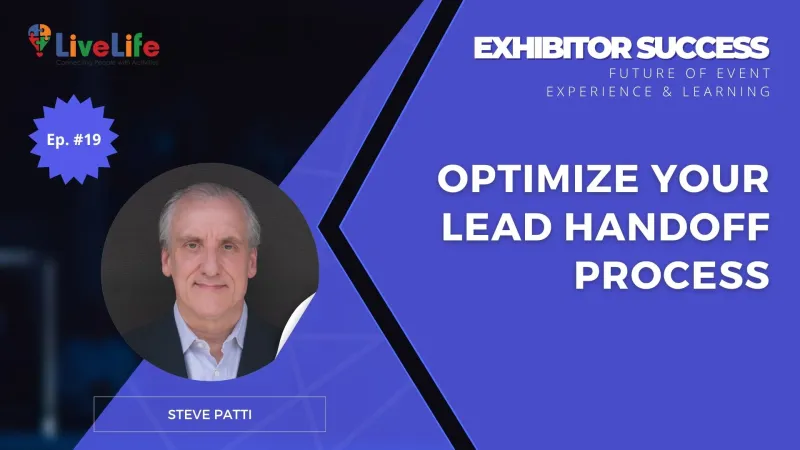
- Consistent lead ownership prevents high-value prospects from being ignored after the event ends.
- Instant data syncing helps sales teams close deals while prospect interest is still peaking.
- Detailed discussion notes stop prospects from having to repeat themselves during the first call.
- Tiered lead routing ensures your best reps focus on buyers instead of casual browsers.
- Standardized capture forms provide the exact budget and timeline data required to close sales.
- Rapid follow-up schedules protect your show ROI by catching buyers before they cool off.
This is the summary based on The FEEL Podcast with Richard Erschik.
Building that seamless transition starts with a pre-show agreement on what a "good lead" actually looks like. Stop collecting every business card and start using a Lead Definition Framework to filter the noise before the event begins.
Establish a Qualification Framework Before the Show
- Define "Sales-Ready": Agree on the specific budget or timeline markers that trigger an immediate sales follow-up.
- Standardize Capture: Use a digital lead form with mandatory fields instead of relying on messy paper notes.
- Assign Ownership: Name the person responsible for syncing data to your CRM within 24 hours of the show ending.
This shift from collecting cards to qualifying data ensures your sales team receives high-intent opportunities they actually want to pursue.
Why The Gap Between The Booth And The CRM Exists
Assigning a lead owner solves the technicality of data entry, but it doesn't automatically fix the psychological disconnect between marketing and sales. The primary reason leads die during the handoff is the rapid loss of situational context.
In the high-energy environment of an exhibition, a prospect shares specific pain points, budget constraints, and timeline details. When this data sits in a stack of business cards or an unformatted spreadsheet, that nuance evaporates.
The Friction Of Information Decay
Marketing often views a lead as a completed metric, while Sales views it as a "cold call" if the data lacks depth. This friction occurs because a significant trade show lead follow-up lag creates a memory gap for both the salesperson and the prospect.
Without a rapid bridge between the physical interaction and the digital record, the prospect’s "problem-aware" state cools down. By the time the CRM entry is finally processed without proper context, the urgency that existed at the booth has often been replaced by the prospect's daily operational fires.
Why the Handoff Process Often Breaks Down
When the adrenaline of the exhibition floor fades, the momentum usually stops at the spreadsheet. This stall happens because the transition from a physical conversation to a digital workflow lacks a clear owner.
Without a defined path, high-value prospects are treated with the same urgency as casual brochure-collectors, leading to a "first-come, first-served" mess that ignores lead quality.
The Impact of Ambiguous Ownership
Confusion over who handles media inquiries versus high-intent buyers leads to double-handling or, worse, total silence. When ownership isn't assigned before the event, the "exhibition lead handoff process" becomes a game of hot potato.
- Sales teams often ignore leads that arrive without specific notes.
- Marketing assumes their job ended once the badge was scanned.
- High-value prospects feel a disconnect when the follow-up doesn't match the booth experience.
The Friction in the Lead-to-Opportunity Handoff
The delay between a booth scan and a sales discovery call isn't just an administrative lag; it is a loss of context. Every hour that passes increases the "memory tax" on the prospect.
If the person calling them doesn't know what was discussed at the booth, the prospect is forced to repeat themselves. This friction signals a lack of internal coordination, cooling the lead's interest instantly.
A Practical Framework for Seamless Lead Transfers
To eliminate the friction of repetitive conversations, you need a protocol that captures the nuance of the discussion, not just the contact details. Moving from a handshake to a sales call requires a structured data flow.
Standardize Your Lead Capture Form
- Rank the lead: Use a simple A (hot), B (warm), or C (cold) system based on their immediate purchase timeline.
- Identify the pain point: Include a mandatory field for "Main Business Challenge" so the sales team knows the specific hook.
- Document the "Next Step": Explicitly note if they requested a technical demo, a pricing sheet, or a site visit.
Sync Data in Real-Time
Waiting until the exhibition ends to upload a spreadsheet is where momentum dies. Use a mobile lead retrieval tool that integrates directly with your CRM.
This allows your office-based team to see conversation notes within minutes of a booth visit. When they follow up, it feels like a professional continuation of the dialogue rather than a cold, uninformed outreach.
Steps to Standardize Your Exhibition Lead Handoff Process
To turn real-time notes into actual revenue, you need a structured framework that moves prospects from the booth to the sales pipeline without friction.
Establish a Tiered Lead Routing System
- Immediate Action (Tier A): High-intent prospects trigger an automated alert to a dedicated account manager while the event is still live.
- Nurture Track (Tier B): Leads interested in specific products are funneled into a tailored email sequence that references their specific booth conversation.
- Information Seekers (Tier C): General inquiries are added to a long-term brand awareness list to keep your company top-of-mind.
The 24-Hour Synchronization Checklist
Maintain the momentum by ensuring your team follows this specific checklist within one business day of the show ending:
- Verify Data Integrity: Ensure all handwritten or digital notes are mapped correctly to the corresponding CRM fields.
- Check for Duplicates: Cross-reference new leads against existing accounts to ensure the right person handles the outreach.
- Assign Ownership: Every lead must have a clear "owner" in your system to prevent prospects from falling through the cracks.
How to Execute a Seamless Lead Transfer
Once ownership is assigned, you need a repeatable workflow to move data from the show floor into your sales pipeline without manual delays.
Standardize Your Data Capture
Ensure your lead capture tool fields match your CRM exactly. If your sales team needs "Budget" and "Timeline" to qualify a lead, these must be mandatory fields on the booth tablet.
- Map fields early: Sync your lead app with your CRM categories before the show starts.
- Use drop-down menus: Avoid free-text notes that sales reps can't filter later.
Implement the 24-Hour Sync Rule
Lead data should never sit on a device until the end of the week. Establish a daily sync routine to ensure the "handoff" happens while the conversation is still fresh.
- Daily uploads: Batch sync all leads at the end of each exhibition day.
- Instant alerts: Set up automated notifications for "Hot" leads so the account owner can reach out within hours, not weeks.
Establish a Feedback Loop
The handoff isn't finished until the sales rep accepts the lead. Use a simple status tag in your system, such as "Exhibition - Follow-up Pending," to track if the handoff was successful.
How To Build A Repeatable Exhibition Handoff Framework
Once the "Follow-up Pending" status is active, your system needs a hard deadline to prevent leads from cooling off. A successful exhibition lead handoff process relies on speed and accountability rather than just data entry.
Follow this three-step framework to close the loop and ensure no lead is left behind:
- Standardize the data upload: Sync all scanned badges or business cards to your CRM within 24 hours of the show closing.
- Set a 48-hour contact rule: Sales teams must reach out to high-priority leads within two business days while the booth conversation is still fresh.
- Conduct a lead quality debrief: Hold a brief meeting between marketing and sales one week post-event to review which lead sources are actually converting.
This structure turns a chaotic pile of business cards into a predictable revenue pipeline. By aligning your teams around these specific actions, you transform a one-time event into a repeatable engine for growth.
If you need help auditing your current event workflow to identify where leads are dropping off, a structured review of your sales-marketing alignment can provide the clarity you need to improve your next show’s ROI

Frequently Asked Questions
Q1: Why do trade show leads often go cold before they reach the sales team?The primary cause is context decay. When lead data sits in unformatted spreadsheets or physical business card stacks, the specific pain points and urgency discussed at the booth evaporate. Without a rapid exhibition lead handoff process, the "memory tax" on the prospect increases, turning what was a high-energy interaction into a cold call within days.
Q2: How do you standardize an exhibition lead handoff process for high-volume events?Transition from collection to qualification by using digital capture tools with mandatory fields for budget, timeline, and primary business challenges. Instead of waiting until the show ends, sync data to your CRM every 24 hours. This ensures sales reps receive high-intent opportunities while the conversation is still fresh in the prospect's mind.
Q3: What criteria should be used to tier leads during the transfer to sales?Implement a tiered routing system: Tier A (Hot) leads trigger immediate alerts to account managers for 48-hour outreach. Tier B (Warm) leads are funneled into tailored email sequences based on the specific products discussed. Tier C (Cold) leads are moved to long-term marketing nurture tracks to maintain brand awareness without taxing sales resources.
Q4: What is the most common mistake in the lead-to-opportunity handoff?The biggest failure is ambiguous ownership. When a clear "owner" isn't assigned to sync data or execute the first follow-up, high-value prospects are often treated with the same urgency as casual brochure-collectors. This leads to double-handling or total silence, signaling a lack of internal coordination to the potential buyer.
Q5: How can we ensure sales reps actually prioritize leads from the booth?Eliminate the friction of "blind" follow-ups by capturing situational context. Sales teams are more likely to pursue leads that include a documented "Next Step" (such as a requested demo or pricing sheet) and a specific pain point. Providing this "hook" allows the rep to continue a professional dialogue rather than starting a generic sales pitch from scratch.

Banner

Write a comment