
Improving Trade Show Hosted Buyer Program Quality
- Active sales cycles replace wasted small talk when you prioritize buyer intent over job titles.
- Signed contracts happen faster when you only meet with buyers who have verified decision-making authority.
- Guaranteed budget availability eliminates the frustration of pitching to people who cannot authorize a purchase.
- Perfect timing ensures your solution reaches buyers during their active decision-making and procurement windows.
- Productive conversations occur because both parties have already agreed the meeting is highly relevant.
- Higher ROI comes from filtering out "professional tourists" and focusing on real business opportunities.
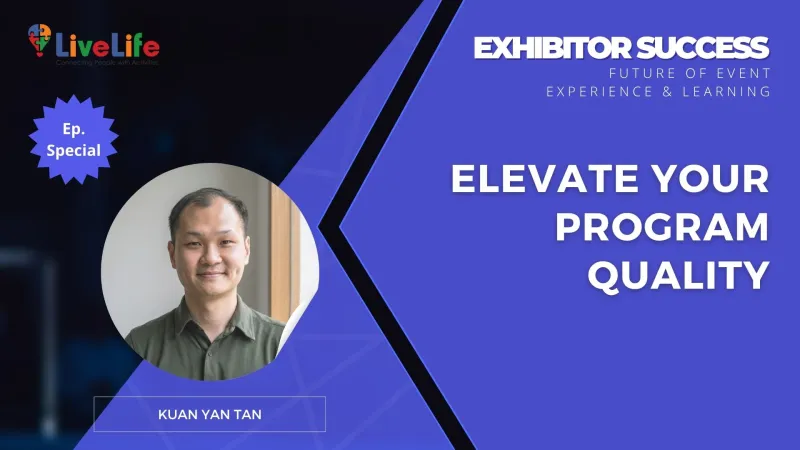
This is the summary based on The FEEL Podcast with Kuan Yan Tan.
To stop wasting time on low-value meetings, you need a vetting framework that prioritizes buyer intent over job titles. Start by implementing these three filtering steps to ensure your trade show meeting quality matches your business goals:
- Define Intent-Based Criteria: Filter buyers by active project timelines and specific budget ranges rather than just company size.
- Mandatory Pre-Qualification: Require buyers to submit three specific procurement needs before they are accepted into the program.
- Verified Matchmaking: Use a double-opt-in system where both the buyer and exhibitor must agree the meeting is relevant.
Why High-Volume Quotas Dilute Your Lead Quality
When the success of a hosted buyer program is measured solely by the number of meetings scheduled, the integrity of the trade show lead qualification process begins to crumble.
Organizers often feel pressured to hit specific numbers—say, 15 meetings per exhibitor—to justify the sponsorship cost. This pressure creates a ripple effect where the focus shifts from finding "the right buyer" to simply "any buyer."
The Quota Trap in Matchmaking
When quantity becomes the primary KPI, the matchmaking system stops being a filter and starts being a funnel for noise. This is why many exhibitors find themselves sitting across from people who have no budget, no authority, and no genuine interest in their product.
The "empty meeting" phenomenon usually happens because buyers are trying to maintain their hosted status. If they don't hit their meeting quota, they risk losing their travel subsidies, leading them to accept matches that offer zero commercial value.
This misalignment doesn't just waste time; it creates a negative perception of the event's ROI, making it harder for exhibitors to justify returning the following year.
Why Meeting Quotas Often Kill Trade Show ROI
When organizers prioritize filling a buyer’s schedule to justify travel costs, the focus shifts from procurement intent to simple attendance.
This incentive-driven behavior forces buyers to accept meetings with exhibitors they have no intention of buying from, just to secure their travel subsidy.
The Transparency Gap in Buyer Qualification
Without clear data on a buyer’s authority or current project needs, exhibitors enter these sessions blind, treating every match as a high-potential lead.
When the reality doesn't match the expectation, it creates a cycle of frustration where exhibitors feel they are paying for "professional tourists" rather than real business opportunities.
Why General Networking Isn't Enough
A buyer might hold a high-level executive title, but if they aren't currently looking for your specific solution, the match is commercially hollow.
Programs often fail because they mistake a job title for a readiness to buy, overlooking the specific procurement cycles that actually drive revenue on the show floor.
Moving Toward Intent-Based Matchmaking
Closing the gap between a "relevant" match and a "success-driven" match requires shifting the focus from who a person is to what they are currently doing.
High-quality programs succeed because they prioritize behavioral data and active project requirements over static job descriptions.
Prioritizing Buying Intent Over Professional Titles
A Director of Operations is only a high-quality lead if they have an active project or a recognized pain point that your solution addresses today.
Effective matchmaking works by filtering for high-intent buyer leads, ensuring that meetings are centered on solving immediate business challenges rather than general networking.
Synchronizing Exhibition Cycles with Procurement Timelines
The most successful programs align the event date with the buyer’s internal decision-making windows.
When you match an exhibitor with a buyer who is currently in their evaluation phase, the conversation naturally shifts from an introduction to a technical consultation.
This alignment ensures that the time spent on the show floor is an investment in a live sales cycle rather than a speculative conversation.
Shifting From Volume To Intent-Based Matchmaking
To bridge the gap between a simple meeting and a closed deal, the program must prioritize intent-based matching. This moves away from simply filling seats and toward curating a pool of buyers with active procurement timelines.
When you vet buyers based on their current project requirements rather than just their job titles, the quality of engagement spikes. It ensures that every minute spent at a booth is addressing a specific business need that is already budgeted for.
Vetting For Decision-Making Authority
High-quality programs focus on authority over volume. This means verifying that participants have the budget control or the technical influence required to move a project forward after the show ends.
Prioritizing Active Procurement Cycles
- Project-based applications: Requiring buyers to list specific needs or upcoming tenders.
- Time-bound goals: Focusing on participants with intent to purchase within a 6-to-12-month window.
This strategic alignment reduces the "noise" of the trade show floor. It allows exhibitors to stop pitching to the masses and start solving problems for a qualified buyer pool that is ready to act.
Operationalizing High-Quality Matchmaking
To move from a volume-based approach to a high-conversion model, you must implement a rigorous vetting framework. This ensures the "noise" remains filtered out long before the first handshake occurs.
Tighten the Buyer Vetting Process
Stop qualifying based on job titles alone. Implement a weighted scoring system during registration that prioritizes buyers with active project budgets and a 6-to-12-month procurement timeline.
- Verify Authority: Confirm the participant has direct sign-off power or is the primary internal recommender.
- Analyze Intent: Require buyers to list at least three specific challenges they need to solve during the event.
- Audit History: Review past attendance data to see if they previously engaged in meaningful follow-ups with exhibitors.
Refine the Matchmaking Criteria
Generic category tagging often leads to wasted time. Instead, map specific exhibitor technical capabilities against the granular pain points identified in the buyer’s application.
Use a "double-blind" selection process where both parties must opt-in to the meeting. This mutual interest significantly increases the likelihood of a productive post-show sales cycle.
Establish Real-Time Feedback Loops
Don't wait for the post-event survey to measure success. Use a mobile-first rating system where both parties provide a quick "relevance score" immediately after a meeting ends.
If a buyer consistently receives low relevance scores from exhibitors, your team can intervene mid-show to recalibrate their schedule and prevent further wasted resources.
Building Your Continuous Improvement Loop
Real-time data intervention is powerful, but the true value lies in how you use those relevance scores once the show floor closes.
To turn these insights into a permanent quality filter, follow this three-step audit framework to refine your next hosted buyer cycle.
- Map scores to sales outcomes: Compare high relevance scores against your actual lead-to-deal conversion rates to see if buyers were truly "vetted."
- Identify the "Ghost" buyers: Look for patterns in buyers who received low scores across multiple exhibitors and remove them from future priority lists.
- Update your intake triggers: Use the specific reasons for "low relevance" to add new, stricter qualifying questions to your next application form.
This shift from manual vetting to data-driven qualification ensures that every handshake in your program has a measurable chance of turning into a contract.
If your matchmaking data shows more "misses" than "hits," it might be time to look deeper into your vetting logic.
We can help you audit your current buyer profiles and refine your qualification criteria to ensure higher quality connections at your next event.

Frequently Asked Questions
Q1: Why do hosted buyer programs often result in low-quality leads?Low quality occurs when programs prioritize meeting quotas over buyer intent. This "quota trap" forces buyers to accept irrelevant meetings just to secure travel subsidies, leading to sessions with "professional tourists" who lack the budget or authority to make a purchase.
Q2: How can I improve my trade show lead qualification process for hosted buyers?Move beyond job titles by implementing a double-opt-in system where both parties must agree the match is relevant. Require buyers to submit three specific procurement needs and verify they have an active project timeline before they are accepted into the program.
Q3: What is the most effective way to implement intent-based matchmaking?Synchronize the event with the buyer’s internal decision-making window. By mapping specific exhibitor technical capabilities against granular pain points identified in the buyer’s application, you ensure meetings occur during the buyer's active evaluation phase.
Q4: How do you identify "ghost" buyers during the buyer vetting process?Use real-time feedback loops where exhibitors provide a relevance score immediately after each meeting. Analyze these scores mid-show to identify buyers who consistently provide low value and remove them from future priority lists to protect exhibitor ROI.
Q5: Why is a double-opt-in system critical for trade show ROI?A double-opt-in system eliminates forced matches driven by attendance quotas. When both the exhibitor and buyer must confirm relevance, the conversation naturally shifts from a cold introduction to a high-value consultation, significantly increasing the likelihood of a post-show contract.

Banner
Write a comment