
Trade Show Goals Beyond Lead Generation That Work
- Hidden market opportunities become visible when you observe competitor pricing and feature gaps in person.
- Higher retention rates come from uncovering friction points that standard emails and surveys never reveal.
- Immediate feature feedback helps your team fix product flaws before wasting expensive development resources.
- Moving sales forward happens when you meet stuck leads in person to resolve their concerns.
- Winning more contracts happens when your brand is physically present during major industry conversations.
- Better partnership decisions come from vetting potential distributors through direct, face-to-face interaction.
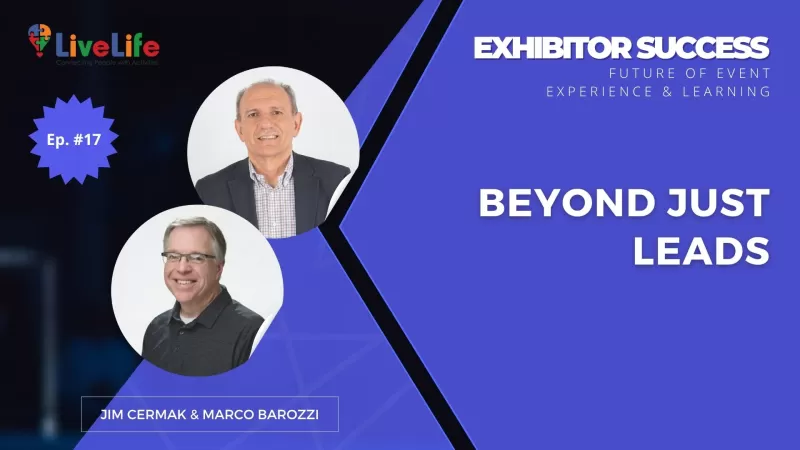
This is the summary based on The FEEL Podcast with Jim Cermak & Marco Barozzi.
To move beyond just scanning badges, you need a framework that categorizes your objectives into measurable buckets. Use this three-pillar approach to define measurable exhibition objectives before the doors open:
- Intelligence: List three specific competitor moves or market trends you need to validate through observation.
- Relationships: Identify five key existing clients or partners to meet for face-to-face feedback and retention.
- Brand Sentiment: Set a target for how many attendees should participate in a live demo or survey.
This structure ensures your team knows exactly what to look for, even when the booth isn't crowded with new prospects.
Building a Multi-Layered Trade Show Goal Framework
To move past the lead-only trap, you need a framework that treats the trade show as a multi-purpose business tool. This requires breaking your objectives into three distinct layers of value that go beyond simple contact collection.
Use this Strategic Objective Checklist to define what success looks like for your next event:
- Competitive Intelligence: Assign one team member to document three specific features or messaging shifts competitors are highlighting this year.
- Client Retention: Set a target for scheduled "face-time" meetings with existing accounts to discuss renewals, pain points, or upcoming upsells.
- Product Feedback: Task your technical staff with capturing at least ten specific objections or recurring questions regarding a new product feature.
By assigning these specific tasks, you ensure the team remains productive even when the aisles are quiet. This structure turns idle time into a research phase that provides actionable data for your marketing and R&D departments.
The Strategic Value of Real-Time Market Intelligence
Shifting your focus toward research during quiet periods works because trade shows offer a concentrated view of the competitive landscape that digital tools simply cannot replicate.
While online analytics track what people click, they fail to capture the nuance of how a buyer reacts to a competitor’s new feature or a sudden shift in industry pricing in real-time.
Why Market Sentiment Outlasts Lead Lists
A lead is often just a temporary contact, but understanding market sentiment allows you to pivot your entire product roadmap based on the gaps your competitors are leaving wide open.
This insight explains why certain brands dominate the industry conversation despite having smaller booths; they have gathered enough intelligence to solve the specific frustrations the market is currently feeling.
The Mechanics of Physical Trust
The reason face-to-face interactions with existing clients are so valuable is due to the "trust dividend" created by physical presence in a digital-heavy world.
These spontaneous conversations often reveal hidden friction points in your service or product that would never be mentioned in a formal email or a standard customer satisfaction survey.
Turning Physical Presence Into A Strategic Feedback Loop
Capitalizing on that trust dividend requires moving beyond the "hope and wait" approach to booth traffic. The most effective way to use your physical presence is to treat the exhibition as a live laboratory for customer retention strategy.
By securing dedicated time with key accounts weeks in advance, you transform a chaotic trade show floor into a controlled environment for high-level account management. This isn't about a standard sales pitch; it’s about capturing the nuances of business challenges that rarely surface during a scheduled digital meeting.
- Product Validation: Real-time reactions to new features or prototypes provide immediate, non-verbal feedback that data logs can't capture.
- Shortened Feedback Loops: Face-to-face clarity reduces the time between identifying a client's friction point and deploying a solution.
- Market Sentiment: These deep-dive conversations reveal broader industry shifts, allowing you to pivot your messaging before the event even ends.
Instead of just collecting business cards, you are gathering intelligence that your competitors—who are often stuck in a "pitch-only" mindset—will completely miss. This shift in focus ensures the event serves your long-term business roadmap, not just your monthly lead quota.
Measuring Impact Through Long-Term Influence Metrics
To see the true value of the intelligence you’ve gathered, you must align your evaluation period with the actual rhythm of B2B buying cycles.
Real success rarely appears in the first 30 days; it reveals itself over a 6 to 12-month tracking window where initial conversations mature into strategic partnerships.
Why this expanded view works:
- Accelerated deal velocity: High-quality booth interactions often shorten the time it takes to close existing opportunities already in your pipeline.
- Market entry milestones: Securing a local distributor or identifying a key regulatory hurdle counts as a major win for regional expansion.
- Influence over direct attribution: Recognizing that an event touchpoint moved a stagnant lead forward provides a more accurate way to know if your trade show worked.
By shifting focus to these influence metrics, you stop judging an event by the thickness of a stack of business cards and start measuring its impact on your bottom line.
A Reporting Framework to Prove Long-Term Value
Transitioning from counting business cards to measuring influence requires a structured approach to reporting. To show stakeholders the real impact, you must look beyond the first week of follow-ups and track how the event moved the needle over months.
The Two-Stage Performance Audit
- The 72-Hour Engagement Summary: Focus on immediate intelligence. Document key conversations with high-value accounts, competitor product launches, and the volume of "qualified" vs. "total" booth visits.
- The 6-Month Pipeline Influence Report: Cross-reference your visitor list with your CRM. Identify how many stagnant deals were re-activated or closed after a face-to-face meeting at the show.
Defining the Cost of Absence
When justifying the budget, it is often more powerful to highlight the cost of not being there. Create a "Market Share Risk" section in your report. List the top three competitors who dominated the floor and the key industry conversations your brand missed by staying home.
This framework shifts the narrative from a simple "cost per lead" to a strategic "market presence" investment that protects your position in the industry.
Defining Strategic Value Beyond the Lead Scanner
Closing the gap between your brand and the competitors who stayed active requires a shift in how you define a "win."
When you set effective trade show goals beyond lead generation, you are investing in two critical assets: market intelligence and brand authority.
Focusing on these areas works because it addresses the long-term sales cycle common in B2B industries. It turns a three-day event into a year-long competitive advantage that protects your market share.
- Market Intelligence: Capture real-time feedback on competitor pricing and customer pain points that standard digital surveys often miss.
- Brand Authority: Position your team in key industry conversations so you are the first name called when a project goes to tender.
- Strategic Partnerships: Use the floor to vet potential distributors or technology partners through face-to-face interaction.
By prioritizing these outcomes, you ensure that your presence is viewed as a strategic necessity rather than an optional marketing expense.
If you are looking for more clarity on how to align your event goals with your long-term business growth, a structured review of your current approach can help identify missed opportunities.

Frequently Asked Questions
Q1: What are the most effective trade show goals beyond simple lead generation?Focus on a three-pillar framework: Competitive Intelligence (tracking rival messaging), Relationships (meeting existing clients for retention), and Brand Sentiment (gathering live product feedback). This approach ensures your team remains productive and gathers actionable data even when booth traffic is low.
Q2: How do you measure trade show ROI for long-term B2B sales cycles?Move away from 30-day lead counts and use a two-stage audit. Create a 72-hour summary focused on immediate intelligence and a 6-month pipeline report to track deal velocity and how face-to-face meetings re-activated stagnant opportunities in your CRM.
Q3: What is the biggest mistake companies make when setting exhibition objectives?The most common error is the "lead-only trap," where success is judged solely by the number of scanned badges. This ignores the strategic value of the "trust dividend"—the deep-dive conversations with key accounts that reveal hidden friction points digital surveys never capture.
Q4: Why is gathering market intelligence a critical trade show goal?Trade shows provide a concentrated view of the landscape that digital analytics cannot replicate. By documenting real-time buyer reactions to competitor features and pricing shifts, you can pivot your product roadmap and messaging before the event even ends.
Q5: How can a small booth compete with larger exhibitors for market authority?Success isn't about square footage; it’s about solving specific market frustrations. By using the event as a live laboratory to vet prototypes and capture sentiment, smaller brands can gather the intelligence needed to position themselves as the primary solution when projects go to tender.

Banner
Write a comment